Wild Goat (Capra aegagrus): A Comprehensive Guide
Introduction
The Wild Goat, scientifically known as Capra aegagrus, is a species of goat that roams the rugged terrains of Europe and Asia. Revered for their agility and adaptability, these goats have been instrumental in understanding the evolutionary biology of domesticated goats. This article delves into the fascinating world of the Wild Goat, exploring its physical characteristics, habitat, behaviors, and conservation status.
Physical Description
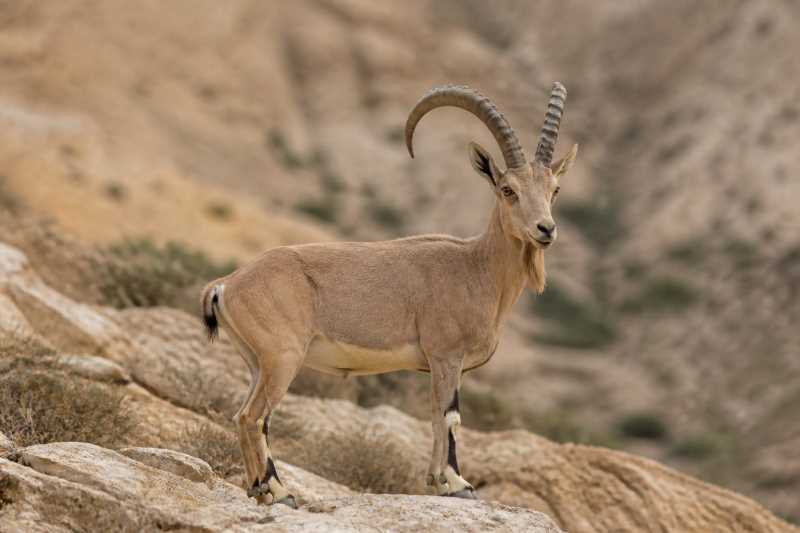
Wild Goats possess a robust physique, designed to navigate harsh mountainous environments. Adult males, known as bucks, can weigh between 50 to 120 kilograms and stand about 75 to 90 centimeters at the shoulder. Females, or does, are generally smaller, weighing between 25 to 50 kilograms. Both genders boast a thick coat that varies in color from light brown to gray, with a lighter underbelly. A distinguishing feature of the Wild Goat is its impressive horns. Males have long, curved horns that can grow up to 130 centimeters, whereas females sport shorter, more slender horns.
Coat and Markings
The Wild Goat’s coat is not just for insulation; it serves as camouflage within their rocky habitats. The variation in color helps them blend seamlessly into the mountain landscapes, providing a natural defense against predators.
Horns
The horns of Wild Goats are not merely ornamental; they play a crucial role in social interactions and defense. The spiraled horns of males are used during mating battles, where bucks clash to establish dominance and win breeding rights.
Range and Habitat
The Wild Goat is native to the mountainous regions of the Middle East, including countries like Iran, Turkey, and Afghanistan. They are also found in parts of Europe and have been introduced to various islands in the Mediterranean. Their preferred habitat includes steep cliffs and rocky outcrops, where their climbing skills give them an advantage over predators.
Habitat Preferences
Wild Goats thrive in areas with sparse vegetation, where they can graze on grasses, shrubs, and low-lying trees. Their ability to survive in such challenging environments is a testament to their evolutionary adaptations.
Geographic Distribution
The distribution of Wild Goats has been influenced by human activities and natural barriers. While they are still relatively widespread, certain populations face threats from habitat loss and hunting.
Behavior and Diet
Wild Goats are social animals, often forming herds led by a dominant male. These herds can range from a few individuals to several dozen, depending on the availability of resources.
Behavioral Traits
Wild Goats are diurnal, primarily active during the day. They display a range of vocalizations to communicate, from warning calls to mating signals. During the breeding season, males engage in fierce battles to establish dominance, a behavior that is both fascinating and dangerous.
Feeding Habits
As herbivores, Wild Goats have a varied diet. They graze on grasses, leaves, and twigs, often venturing into less accessible areas to find food. Their digestive system is highly adapted to extract nutrients from tough, fibrous plant materials.
Identification Tips
Identifying Wild Goats in the field requires a keen eye and understanding of their distinctive features. Here are some tips to help recognize them:
- Horns: Look for the long, backward-curving horns in males and the shorter, straighter horns in females.
- Body Size: Note the robust body and shorter legs, which are well-suited for climbing.
- Coloration: Pay attention to the coat color and patterns, which can vary widely, but typically include shades of brown and gray.
- Behavior: Observe their social behavior and interactions, particularly during the breeding season.
Conservation Status
The Wild Goat is currently listed as Near Threatened on the IUCN Red List. While their populations are stable in some regions, others face significant threats.
Threats
The primary threats to Wild Goats include habitat loss due to agricultural expansion, hunting for meat and trophies, and competition with livestock for resources. In some areas, hybridization with domestic goats poses a genetic threat.
Conservation Efforts
Efforts to conserve Wild Goats include habitat protection, legal hunting restrictions, and public awareness campaigns. Some regions have established protected areas to ensure the survival of these remarkable animals.
Frequently Asked Questions
What is the natural habitat of the Wild Goat?
Wild Goats are primarily found in mountainous regions with rocky outcrops and sparse vegetation. They thrive in these environments due to their exceptional climbing abilities and adaptable diet.
How can you distinguish between a Wild Goat and a domestic goat?
Wild Goats typically have larger, more spiraled horns and a more robust build compared to domestic goats. Their coat color and markings are also more varied, providing better camouflage in their natural habitat.
Are Wild Goats aggressive?
Wild Goats are generally not aggressive towards humans unless provoked. However, males can display aggressive behavior towards each other during the breeding season as they compete for mates.
What do Wild Goats eat?
Wild Goats are herbivores, feeding on a variety of plant materials including grasses, leaves, and twigs. Their diet is highly adaptable, allowing them to survive in challenging environments.
How are Wild Goats protected in the wild?
Protection measures for Wild Goats include legal restrictions on hunting, the establishment of protected areas, and ongoing conservation efforts to preserve their natural habitats.
Related posts