Common Dwarf Mongoose (Helogale parvula): Nature’s Smallest Carnivore
Introduction
The Common Dwarf Mongoose (Helogale parvula) is an intriguing small carnivorous mammal that belongs to the Herpestidae family. As the smallest African mongoose species, it plays a pivotal role in the ecosystem by controlling insect populations and acting as prey for larger predators. This article delves into the various aspects of this fascinating creature, including its physical characteristics, natural habitat, behavior, diet, and conservation status.
Physical Description
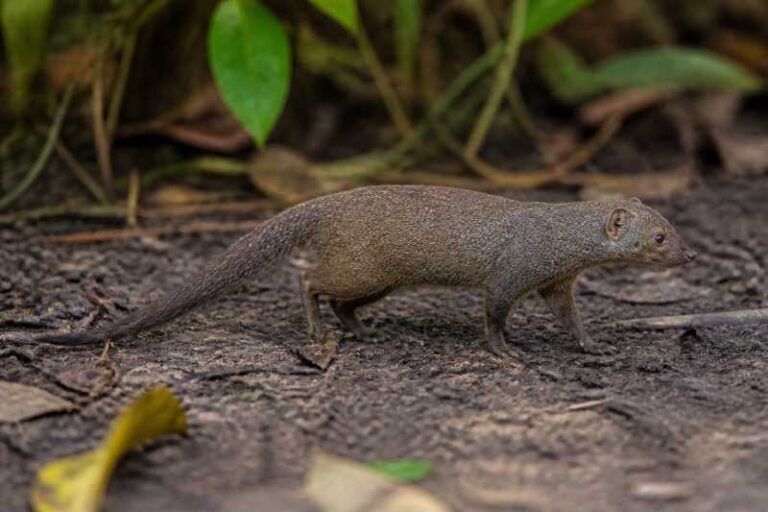
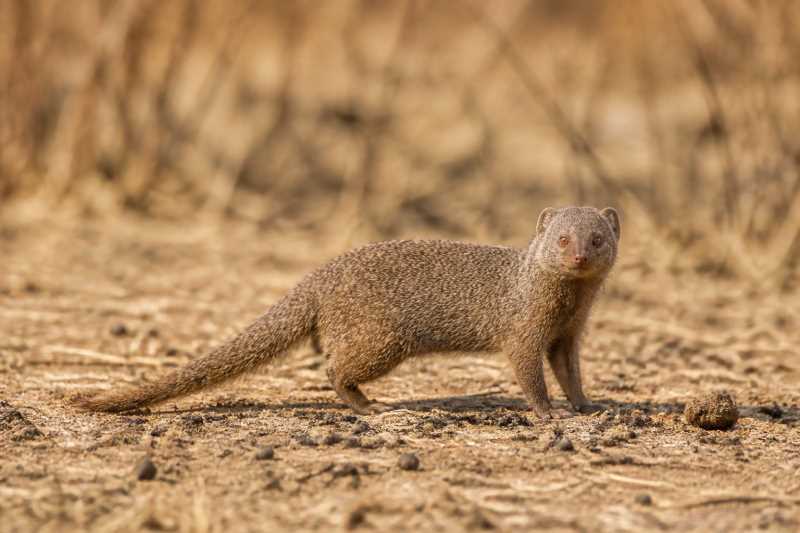
The Common Dwarf Mongoose is characterized by its small stature, with adults typically measuring between 18 to 28 centimeters (7 to 11 inches) in body length, excluding the tail, which adds another 15 to 20 centimeters (6 to 8 inches). They weigh between 210 to 350 grams (7.4 to 12.3 ounces). Their dense, soft fur ranges in color from reddish-brown to grayish-brown, depending on their geographical location. The fur is often lighter on the underparts.
These mongooses have a slender, elongated body, with a pointed snout and short limbs, contributing to their agility. Their ears are small and rounded, with sharp, retractable claws that are perfectly adapted for digging and climbing. Their eyes are relatively large, providing them with excellent vision, essential for spotting predators and prey alike.
Range and Habitat
The Common Dwarf Mongoose is widely distributed across sub-Saharan Africa, particularly in the eastern and southern regions. Their range extends through countries such as Kenya, Tanzania, Uganda, Zambia, Zimbabwe, and South Africa. These mongooses demonstrate a preference for open savannas, woodlands, and bushlands, but they can also be found in grasslands and rocky outcrops.
Their choice of habitat is influenced by the availability of termite mounds, which provide both shelter and a vantage point for scanning the surroundings. These mounds are often used communally, serving as sleeping quarters and refuge from predators.
Behavior and Diet
Common Dwarf Mongooses are highly social animals, living in groups known as mobs or troops that can number from 8 to 30 individuals. These groups are often led by a dominant breeding pair, with the rest of the members usually being their offspring. The social structure is cooperative, with duties such as foraging, babysitting, and grooming shared among members.
Their diet primarily consists of insects, with termites being a staple. However, they are opportunistic feeders and will also consume small rodents, birds, eggs, lizards, and fruits. Foraging is typically a group activity, with members taking turns keeping watch for predators such as birds of prey, snakes, and larger mammals.
Identification Tips (Field Recognition Cues)
Identifying the Common Dwarf Mongoose in the wild can be straightforward if you know what to look for:
- Size and Shape: Look for a very small, elongated carnivore with a pointed snout.
- Coloration: Their reddish to grayish-brown fur can help distinguish them from other mongoose species.
- Behavior: Observe their social behavior; they are often seen in groups.
- Habitat: They are commonly found near termite mounds in open savannas and woodlands.
Conservation Status (with Threats and Protections)
As of the latest assessments, the Common Dwarf Mongoose is listed as Least Concern on the IUCN Red List. This status is due to their wide distribution and stable population trends. However, they face several threats, including habitat destruction due to agricultural expansion, human-wildlife conflict, and predation by domestic animals.
Conservation efforts include habitat protection and awareness programs to mitigate human-wildlife conflict. Protected areas and national parks across Africa play a crucial role in preserving their natural habitats.
Frequently Asked Questions
- What is the lifespan of the Common Dwarf Mongoose?
In the wild, Common Dwarf Mongooses typically live for about six to ten years, though they can live longer in captivity, reaching up to 14 years.
- How do Common Dwarf Mongooses communicate?
These mongooses use a variety of vocalizations, body postures, and scent markings to communicate. Calls can warn of predators or coordinate group movements.
- Are Common Dwarf Mongooses solitary animals?
No, they are highly social and live in cooperative groups, which helps them in foraging and protection against predators.
- Can Common Dwarf Mongooses be kept as pets?
While they are fascinating animals, keeping them as pets is not recommended due to their social needs and specific environmental requirements.
- How do Common Dwarf Mongooses benefit the ecosystem?
They help control insect populations, particularly termites, and serve as prey for larger predators, maintaining the ecological balance.
Related posts