Introduction
The Altai Mountain Weasel (Mustela altaica) is a fascinating mustelid species that inhabits the pristine and rugged terrains of Central Asia. Known for its elusive nature and remarkable adaptability, this weasel has piqued the interest of wildlife enthusiasts and researchers alike. This comprehensive article delves into the intricate details of the Altai Mountain Weasel, exploring its physical characteristics, natural habitat, behavior, and conservation status.
Physical Description
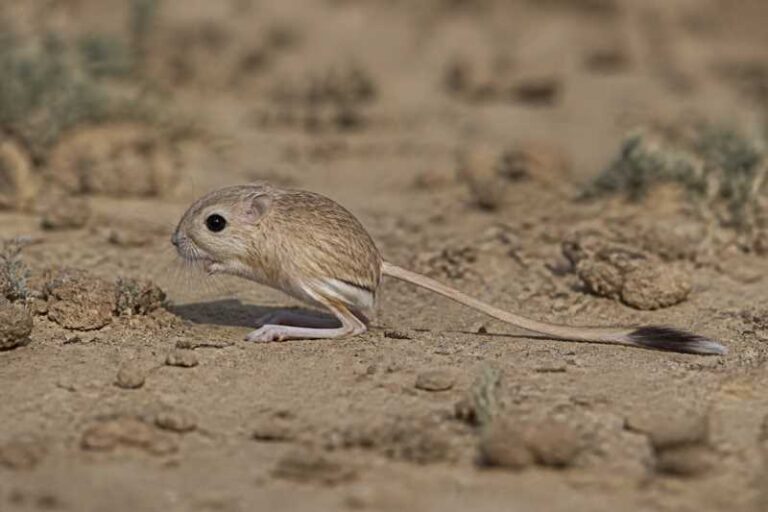
The Altai Mountain Weasel is a small carnivorous mammal characterized by its elongated body and short limbs, which are typical features of the Mustelidae family. An adult weasel typically measures between 22 to 29 centimeters in length, with a tail that adds an additional 11 to 16 centimeters. Weighing around 120 to 350 grams, it is a lightweight predator, allowing for agile and efficient hunting.
Its coat is a striking feature, displaying a dense and silky texture that is well-suited to its cold mountainous environment. The fur varies in color from a tawny yellow to a deep brown, providing excellent camouflage against the rocky terrain and sparse vegetation of its habitat. The underbelly is usually lighter, ranging from pale cream to a soft white.
The Altai Mountain Weasel’s head is adorned with small, rounded ears and sharp eyes, aiding in its acute sense of hearing and sight. These adaptations are crucial for detecting prey and evading predators in its high-altitude home.
Range and Habitat
The Altai Mountain Weasel is predominantly found in the mountainous regions of Central Asia, including parts of Mongolia, Russia, Kazakhstan, and China. These areas are characterized by harsh climates and challenging terrains, making the weasel’s adaptability even more remarkable.
Preferring elevations ranging from 1,000 to 4,000 meters, the Altai Mountain Weasel thrives in alpine meadows, rocky outcrops, and forested areas. Its habitat is often defined by cold temperatures, heavy snowfall, and limited vegetation, which it skillfully navigates in search of food and shelter.
Behavior and Diet
Altai Mountain Weasels are solitary creatures, primarily active during the twilight hours of dawn and dusk. They are known for their inquisitive nature and excellent hunting skills, which they employ to capture a variety of prey.
Their diet mainly consists of small mammals such as voles, pikas, and sometimes birds and insects. The weasel’s slender body and keen senses make it an adept hunter, capable of pursuing prey into narrow burrows and crevices.
In addition to their predatory skills, Altai Mountain Weasels are also known for their ability to store food, creating caches that ensure a steady food supply during harsh winter months when prey becomes scarce.
Identification Tips (Field Recognition Cues)
Identifying the Altai Mountain Weasel in the wild requires keen observation skills and knowledge of their distinct features. Here are some tips to help you recognize this elusive mammal:
- Size and Shape: Look for a small, elongated body with short legs, typical of mustelids.
- Fur Color: The tawny yellow to brown coat with a lighter underbelly is a key identifying feature.
- Tail Length: Note the proportionally long tail, which is about half the body length.
- Habitat: Spotting them is more likely in rocky, high-altitude environments.
- Behavior: Observe for agile movements, especially during dawn or dusk when they are most active.
Conservation Status (with Threats and Protections)
The Altai Mountain Weasel is currently classified as "Least Concern" by the IUCN Red List, indicating a relatively stable population across its range. However, this status does not imply that the species is free from threats.
Threats:
- Habitat Loss: Expansion of agriculture and mining activities in mountainous regions poses a significant threat to their natural habitat.
- Climate Change: Alterations in temperature and precipitation patterns impact the availability of prey and suitable habitats.
- Human Encroachment: Increased human presence in remote areas can lead to direct and indirect disturbances.
Protections:
Efforts to preserve the Altai Mountain Weasel’s habitat include the establishment of protected areas and wildlife reserves. These initiatives aim to mitigate habitat destruction and provide a safe haven for the species and its prey.
Additionally, continued research and monitoring are essential to understanding population dynamics and implementing effective conservation strategies.
Frequently Asked Questions
1. What do Altai Mountain Weasels eat?
Altai Mountain Weasels primarily feed on small mammals such as voles and pikas. They are also known to consume birds and insects, depending on availability.
2. Where can Altai Mountain Weasels be found?
These weasels are found in the mountainous regions of Central Asia, including Mongolia, Russia, Kazakhstan, and China, typically at elevations of 1,000 to 4,000 meters.
3. Are Altai Mountain Weasels endangered?
No, they are currently classified as "Least Concern" by the IUCN, but they face threats like habitat loss and climate change that require monitoring.
4. How do Altai Mountain Weasels adapt to cold environments?
Their dense, silky fur provides insulation against cold temperatures, and their ability to store food helps them survive when prey is scarce.
5. When are Altai Mountain Weasels most active?
They are primarily crepuscular, being most active during the dawn and dusk hours, which helps them avoid predators and maximize hunting success.
Related posts