Sundevall’s Roundleaf Bat: A Comprehensive Guide
Introduction
Sundevall’s Roundleaf Bat, scientifically known as Hipposideros caffer, is a fascinating species belonging to the family Hipposideridae. Known for their distinct echolocation abilities and unique physical characteristics, these bats play a crucial role in maintaining the ecological balance by controlling insect populations. This article delves into various aspects of Sundevall’s Roundleaf Bat, including its physical description, range, habitat, behavior, diet, and conservation status.
Physical Description
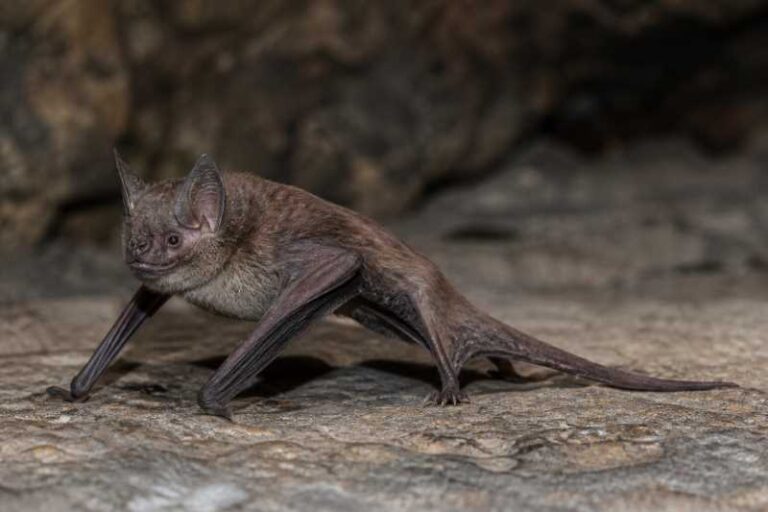
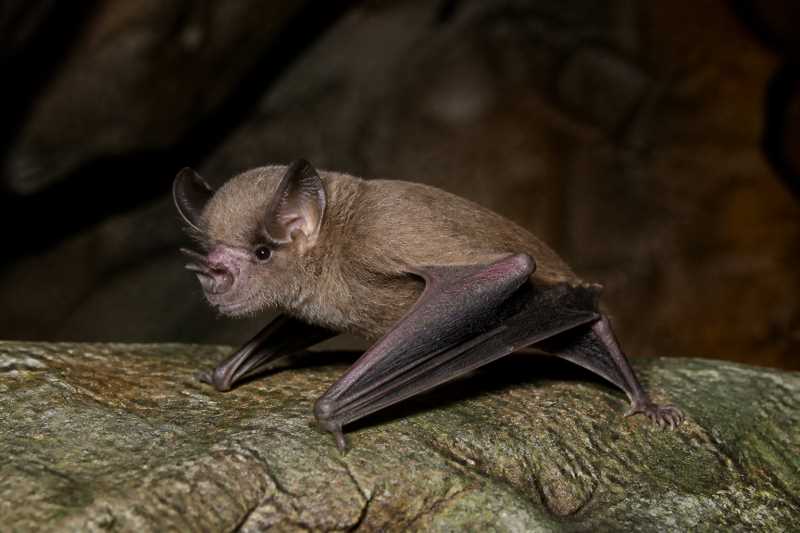
Sundevall’s Roundleaf Bat is relatively small compared to other bat species, with an average wingspan of about 20 to 25 cm and a body length ranging from 4 to 6 cm. These bats typically weigh between 5 to 12 grams. Their most notable feature is the round, leaf-like structure on their noses, which aids in echolocation. This nose-leaf is a key identification characteristic and is often used to distinguish them from other species.
The bat’s fur is generally a brownish-gray color, with lighter underparts. Their ears are large and rounded, which enhances their ability to detect sound. This species possesses a short tail, which is often partially enclosed within the interfemoral membrane.
Range and Habitat
Sundevall’s Roundleaf Bat is widely distributed across sub-Saharan Africa, including countries such as Kenya, Tanzania, Zimbabwe, and South Africa. They are adaptable creatures, inhabiting a diverse range of environments. These bats are commonly found in savannas, woodlands, and bushlands. They also inhabit caves, abandoned buildings, and other sheltered areas where they can form roosts.
Their choice of habitat is primarily influenced by the availability of food and suitable roosting sites. During the day, they prefer to rest in dark, quiet places, emerging at dusk to hunt.
Behavior and Diet
Sundevall’s Roundleaf Bat is primarily nocturnal and insectivorous, feeding on a variety of small insects like moths, beetles, and flies. They use echolocation to locate and capture their prey, emitting high-frequency calls that bounce off objects and return as echoes. This allows them to navigate and hunt effectively in complete darkness.
These bats are known to form colonies that can range from a few individuals to several hundred. They communicate with each other using a combination of vocalizations and scent markings. Breeding usually occurs once a year, with females giving birth to a single pup after a gestation period of about two months.
Identification Tips (Field Recognition Cues)
Identifying Sundevall’s Roundleaf Bat in the field can be challenging but can be achieved by focusing on certain key characteristics:
- Nose-leaf: Look for the distinctive round, leaf-shaped structure on the nose, which is unique to this species.
- Size and Weight: Their small size and lightweight build can help differentiate them from larger bat species.
- Fur Color: Note the brownish-gray coloration with lighter underparts.
- Echolocation Calls: Listening for their high-frequency calls can aid in identification, especially during nighttime surveys.
- Roosting Habits: Observing their preference for roosting in caves and abandoned structures can provide additional clues.
Conservation Status (With Threats and Protections)
As of the latest assessments, Sundevall’s Roundleaf Bat is classified as Least Concern by the International Union for Conservation of Nature (IUCN). Despite their wide distribution, these bats face several threats, including habitat destruction, disturbance of roosting sites, and pesticide use that reduces their insect prey.
Conservation efforts focus on habitat protection and minimizing human disturbances at roost sites. Local and international wildlife organizations work to raise awareness about the importance of bats in ecosystems and the need for their conservation.
Frequently Asked Questions
What is the primary diet of Sundevall’s Roundleaf Bat?
Sundevall’s Roundleaf Bat primarily feeds on small insects such as moths, beetles, and flies. They use echolocation to hunt and capture prey during nighttime.
Where can Sundevall’s Roundleaf Bat be found?
These bats are commonly found in sub-Saharan Africa, inhabiting regions such as Kenya, Tanzania, and South Africa. They prefer savannas, woodlands, and caves for roosting.
How does Sundevall’s Roundleaf Bat use echolocation?
Sundevall’s Roundleaf Bat emits high-frequency calls that bounce off objects, returning as echoes. This allows them to navigate and hunt effectively in darkness.
What are the main threats to Sundevall’s Roundleaf Bat?
The main threats include habitat destruction, disturbance of roosting sites, and pesticide use, which impacts their insect prey availability.
Are Sundevall’s Roundleaf Bats solitary or social creatures?
Sundevall’s Roundleaf Bats are social animals, often forming colonies that can range from a few individuals to several hundred.
Related posts