Biak Naked-backed Fruit Bat (Dobsonia emersa): An In-Depth Exploration
Introduction
The Biak Naked-backed Fruit Bat, scientifically known as Dobsonia emersa, is a captivating species belonging to the family Pteropodidae. Endemic to the Biak-Supiori islands of Indonesia, this bat is a fascinating subject for both researchers and wildlife enthusiasts. Its unique physical characteristics and ecological importance make it a critical species for study and conservation efforts. In this comprehensive article, we delve into the various aspects of the Biak Naked-backed Fruit Bat, from its physical description and habitat preferences to its conservation status.
Physical Description
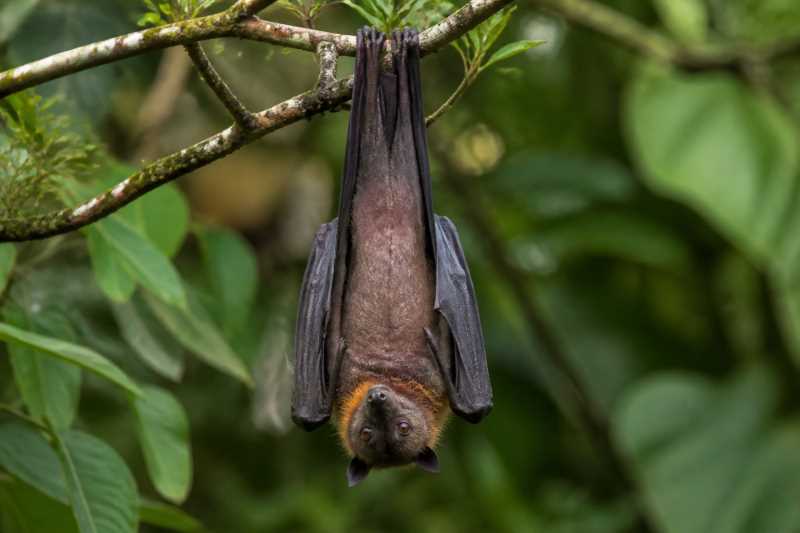
The Biak Naked-backed Fruit Bat is distinguished by several unique physical traits that set it apart from other fruit bat species. As its name suggests, this bat features a notable absence of fur on its back, which is devoid of the typical furry covering seen in other bats. The species exhibits a robust and muscular build, with a wingspan ranging between 0.8 to 1 meter (approximately 31 to 39 inches). The body length of an adult ranges from 20 to 25 centimeters (approximately 8 to 10 inches), and it can weigh between 300 to 600 grams (around 0.7 to 1.3 pounds).
The bat’s skin is typically a dark brown to olive color, which provides excellent camouflage against the bark of trees in its natural habitat. Its head is characterized by a short snout and large eyes, which are adaptations for its nocturnal lifestyle and diet of fruits. The large ears are sensitive to sound, aiding in navigation and communication.
Range and Habitat
The Biak Naked-backed Fruit Bat is endemic to the Biak-Supiori islands, which are part of the Indonesian province of Papua. These islands boast a tropical climate, providing an ideal environment for the bat’s survival. The species thrives in primary and secondary lowland rainforests, where the dense canopy offers ample food sources and roosting sites.
The bat prefers areas that are less disturbed by human activity, although it can occasionally be found in more degraded habitats if they still provide adequate resources. The lush vegetation and abundant fruiting trees in these forests support the bat’s dietary needs and offer shelter from predators.
Behavior and Diet
The Biak Naked-backed Fruit Bat is primarily nocturnal, spending its days roosting in the canopy of trees and becoming active at dusk. Its social structure typically consists of small groups, though larger aggregations can form in areas where food is plentiful. Communication among individuals is facilitated by a series of vocalizations and scent markings.
The diet of Dobsonia emersa is predominantly frugivorous, consisting mainly of figs, bananas, and other native fruits. The bat plays a crucial role in seed dispersal, contributing to the health and regeneration of its forest habitat. By consuming fruits and excreting seeds at different locations, the bat aids in the propagation of plant species, making it an essential component of the ecosystem.
Identification Tips (Field Recognition Cues)
Identifying the Biak Naked-backed Fruit Bat in the field can be challenging due to its nocturnal habits and the dense canopy of its habitat. However, there are several cues that can aid in recognition:
- Naked Back: The absence of fur on the back is a distinctive feature that can be observed when the bat is roosting or in flight.
- Wingspan: The large wingspan of up to 1 meter is notable when the bat is airborne, often silhouetted against the evening sky.
- Vocalizations: Listening for their unique calls at dusk can help locate these bats as they begin their nightly foraging.
- Roosting Habits: Look for groups roosting in tall trees during the day, typically in less disturbed areas of the forest.
Conservation Status (with Threats and Protections)
The Biak Naked-backed Fruit Bat is currently classified as Vulnerable by the International Union for Conservation of Nature (IUCN). The primary threats to this species include habitat loss due to logging and agricultural expansion. Additionally, hunting for local consumption poses a significant risk to its population.
Conservation efforts are focused on habitat protection and raising awareness among local communities about the bat’s ecological importance. There are ongoing initiatives to establish protected areas within the bat’s range and promote sustainable land-use practices. Research is also being conducted to better understand the species’ ecology and inform conservation strategies.
Frequently Asked Questions
- What is the primary diet of the Biak Naked-backed Fruit Bat?
The Biak Naked-backed Fruit Bat primarily feeds on fruits such as figs and bananas. Its frugivorous diet makes it an important seed disperser in its ecosystem.
- Where can the Biak Naked-backed Fruit Bat be found?
This bat is endemic to the Biak-Supiori islands of Indonesia, inhabiting lowland rainforests that provide ample food and roosting sites.
- What are the main threats to the Biak Naked-backed Fruit Bat?
The main threats include habitat loss due to logging and agriculture, as well as hunting for local consumption. Conservation efforts focus on habitat protection and raising awareness.
- How can one identify the Biak Naked-backed Fruit Bat in the wild?
Key identification features include its naked back, large wingspan, and the unique vocalizations it emits at dusk. Observing roosting habits can also aid in identification.
- Why is the Biak Naked-backed Fruit Bat important to its ecosystem?
The bat plays a crucial role in seed dispersal, aiding in the regeneration of plant species and maintaining the health of its forest habitat.
Related posts