Introduction
Endo’s Pipistrelle, scientifically known as Alionoctula endoi, is a captivating species of bat that has intrigued researchers and bat enthusiasts alike. As a member of the Vespertilionidae family, this small mammal is part of a diverse group of bats that are widely distributed across various regions. The species was named in honor of Japanese mammalogist Dr. Yasuo Endo, who made significant contributions to the study of Chiroptera. This article delves into the fascinating world of Endo’s Pipistrelle, exploring its physical characteristics, habitat, behaviors, and the conservation efforts necessary to protect it.
Physical Description
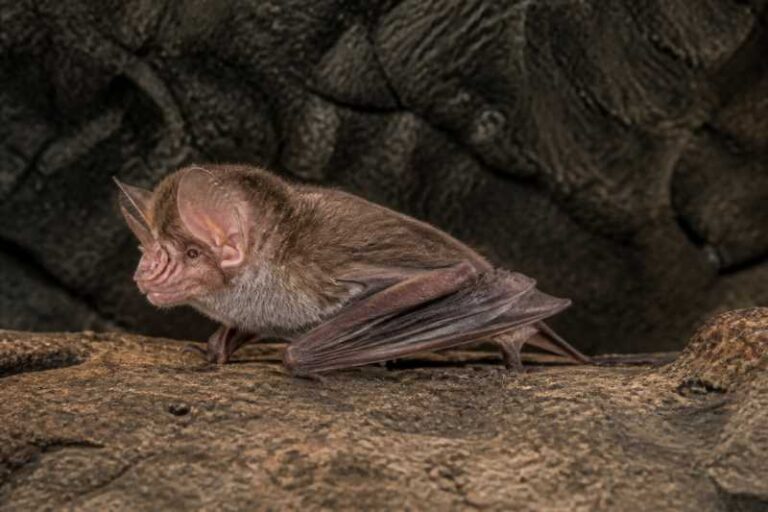
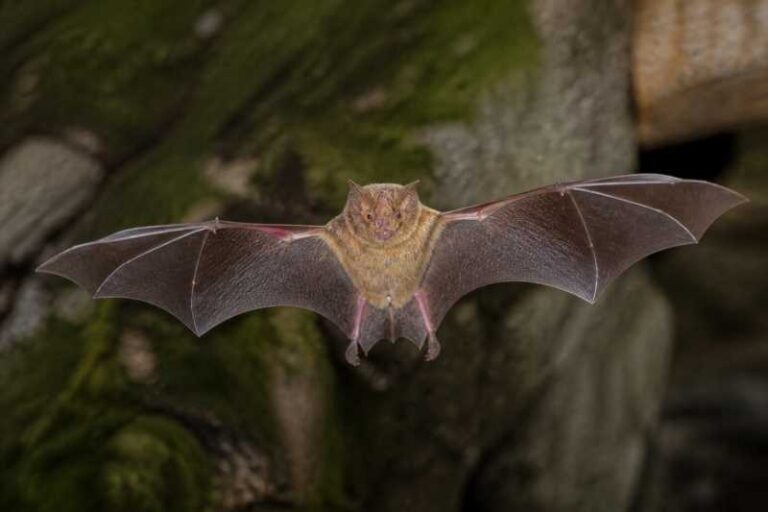
Endo’s Pipistrelle is a small-sized bat, characterized by its delicate structure and distinctive features. On average, it measures between 4 to 5 centimeters in length, with a wingspan ranging from 20 to 25 centimeters. The bat’s body mass typically varies from 5 to 10 grams, making it a lightweight contender in the bat world. The fur of Endo’s Pipistrelle is a soft, dark brown, providing effective camouflage in its natural habitat.
One of the distinguishing physical traits of this species is its face, which is adorned with pronounced, rounded ears that are relatively large for its body size. These ears, coupled with a small, pointed snout, give it an acute sense of hearing, essential for echolocation. The wings are thin and membranous, optimized for agile flight through dense foliage.
Range and Habitat
Endo’s Pipistrelle is primarily found in East Asia, with a range that includes parts of Japan, China, and Korea. Its preferred habitats are temperate forests, where it roosts in tree cavities, under loose bark, or in abandoned bird nests. Occasionally, it may also be found in urban areas, taking shelter in buildings or other structures that provide protection.
The species favors regions that offer abundant insect prey and water sources, which are critical for its survival. Seasonal migrations are observed, with the bats moving to warmer areas during colder months to maintain access to essential resources.
Behavior and Diet
Endo’s Pipistrelle is a nocturnal creature, emerging at dusk to begin its nightly foraging activities. It is an insectivorous species, with a diet primarily consisting of small insects such as moths, beetles, and mosquitoes. The bat uses echolocation to navigate and hunt, emitting ultrasonic calls that bounce off objects and return as echoes, enabling it to detect prey with remarkable precision.
Socially, Endo’s Pipistrelle is known to form small colonies, especially during the breeding season. These colonies are vital for mating and nurturing young. The species exhibits a high level of maternal care, with female bats nursing their pups until they are capable of independent flight and foraging.
Identification Tips
Field identification of Endo’s Pipistrelle can be challenging due to its small size and nocturnal habits. However, there are several cues that can aid in recognizing this species:
- Ear Shape: Look for the distinctively large, rounded ears relative to its head size.
- Flight Pattern: Observe the bat’s agile and erratic flight as it navigates through trees and undergrowth.
- Echolocation Calls: Use a bat detector to identify the species-specific frequency and pattern of its calls.
- Roosting Sites: Check for presence in tree cavities or under loose bark during the day.
Conservation Status
Currently, Endo’s Pipistrelle is classified as a species of Least Concern by the IUCN Red List. However, it faces several threats that could impact its population in the future. Habitat loss due to deforestation and urban expansion poses a significant risk, reducing available roosting and foraging areas.
Climate change is another potential threat, altering the availability of prey and suitable habitats. Conservation efforts are essential to mitigate these threats, including habitat protection and restoration, as well as public education campaigns to raise awareness of the species’ ecological role.
Protected areas and wildlife reserves play a critical role in preserving the natural habitats of Endo’s Pipistrelle. Efforts to maintain these areas, coupled with research initiatives to monitor population trends, are vital components of the conservation strategy.
Frequently Asked Questions
What do Endo’s Pipistrelles eat? Endo’s Pipistrelles primarily feed on small insects, including moths, beetles, and mosquitoes, using echolocation to hunt efficiently.
Where can you find Endo’s Pipistrelle bats? These bats are found in East Asia, particularly in Japan, China, and Korea, inhabiting temperate forests and occasionally urban areas.
How do Endo’s Pipistrelles navigate at night? They use echolocation, emitting ultrasonic calls that bounce off objects and return as echoes, allowing them to detect and capture prey.
Are Endo’s Pipistrelles endangered? Currently, they are not endangered and are classified as Least Concern, but habitat loss and climate change pose potential future threats.
How big is Endo’s Pipistrelle? This species is small, with a body length of 4-5 cm and a wingspan of 20-25 cm, weighing between 5-10 grams.
Related posts