Eastern Long-eared Bat (Nyctophilus bifax): A Comprehensive Guide
Introduction
The Eastern Long-eared Bat, scientifically known as Nyctophilus bifax, is a fascinating and unique species that is part of the family Vespertilionidae. These bats are notable for their distinctively long ears and their adaptability to a variety of habitats. They are an integral part of the ecosystem, playing critical roles in insect population control and pollination. This article delves into the various aspects of the Eastern Long-eared Bat, from its physical characteristics to its conservation status, providing a detailed overview for bat enthusiasts and researchers alike.
Physical Description
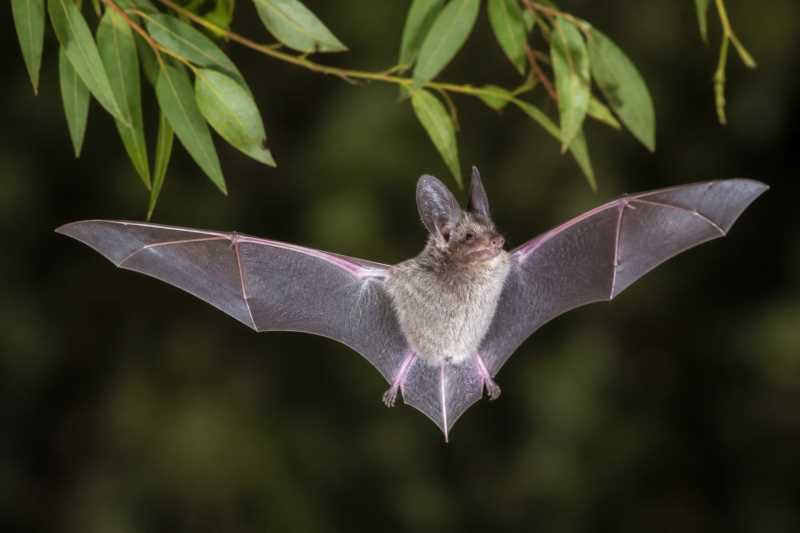
Eastern Long-eared Bats are medium-sized bats with a wingspan that ranges approximately between 25 to 30 centimeters. One of the most striking features of this species is its exceptionally long ears, which can be as long as the bat’s head. These ears are not only a defining physical characteristic but also serve a critical function in echolocation, aiding the bat in navigating and hunting in the dark.
Their fur is generally a light brown or grayish color, which provides effective camouflage against tree bark and leaves. The underbelly is usually lighter in color, often a pale cream or off-white tone. Their snout is short, and they possess a blunt nose, giving them a slightly pug-like appearance.
Range and Habitat
The Eastern Long-eared Bat is primarily found in eastern Australia, with its range extending from the Cape York Peninsula in Queensland down through New South Wales and into Victoria. They are also present in some parts of Papua New Guinea. This species favors a variety of habitats, including tropical and subtropical rainforests, woodlands, and even urban areas where they can often be found roosting in buildings.
These bats are known to roost in tree hollows, under bark, and occasionally in man-made structures. The choice of roosting site is influenced by the availability of food and the need for protection from predators.
Behavior and Diet
Eastern Long-eared Bats are nocturnal creatures, spending their nights foraging for food and their days resting. Their diet primarily consists of insects, including moths, beetles, and other small invertebrates. They are skilled hunters, using their acute sense of hearing and echolocation to locate prey in the dark.
These bats are solitary foragers but may roost in small groups. During the breeding season, males establish territories and attract females through vocalizations and scent markings. Mating typically occurs in the autumn, with a gestation period that lasts around three months, resulting in the birth of one or occasionally two offspring in the spring.
Identification Tips (field recognition cues)
Identifying the Eastern Long-eared Bat in the field can be facilitated by focusing on several key characteristics:
- Ear Size and Shape: Look for the characteristically long, rounded ears that are a defining feature of this species.
- Fur Color: Note the light brown to grayish fur with a lighter underbelly.
- Size: Medium size with a wingspan of 25-30 cm.
- Roosting Behavior: Often found in tree hollows or under bark.
- Flight Pattern: Observe the slow, deliberate flight, which is typical when they are foraging for insects.
Conservation Status (with threats and protections)
The Eastern Long-eared Bat is currently classified as Least Concern by the IUCN Red List, but it faces several threats that could impact its populations in the future. Habitat loss due to deforestation and land clearing for agriculture and urban development poses a significant threat. Additionally, the use of pesticides can reduce the availability of their insect prey.
Conservation efforts include preserving natural habitats and implementing measures to protect roosting sites. In Australia, there are legal protections in place to conserve native bat species and their habitats. Public awareness and education campaigns are also crucial in ensuring the long-term survival of these bats.
Frequently Asked Questions
1. What do Eastern Long-eared Bats eat? Eastern Long-eared Bats primarily feed on insects such as moths, beetles, and other small invertebrates. They use echolocation to hunt and capture their prey at night.
2. Where can Eastern Long-eared Bats be found? These bats are commonly found in eastern Australia, from Queensland to Victoria, and are also present in Papua New Guinea. They inhabit a range of environments, including forests and urban areas.
3. How do Eastern Long-eared Bats echolocate? Eastern Long-eared Bats use their large ears to pick up the echoes of sound waves they emit. This helps them navigate and locate insects in the dark.
4. Are Eastern Long-eared Bats endangered? Currently, the Eastern Long-eared Bat is not considered endangered, but it faces threats from habitat loss and pesticide use. Conservation measures are in place to help protect their populations.
5. What is the breeding season for Eastern Long-eared Bats? The breeding season for Eastern Long-eared Bats occurs in the autumn, with females giving birth in the spring after a gestation period of about three months.
Related posts