Introduction
The Honduran Fruit-eating Bat (Artibeus inopinatus) is a captivating and relatively lesser-known species of bat found primarily in Central America. These bats play a crucial role in their ecosystems as pollinators and seed dispersers. Understanding their characteristics, habitat, and behavior is essential for appreciating their ecological importance and addressing conservation needs.
Physical Description
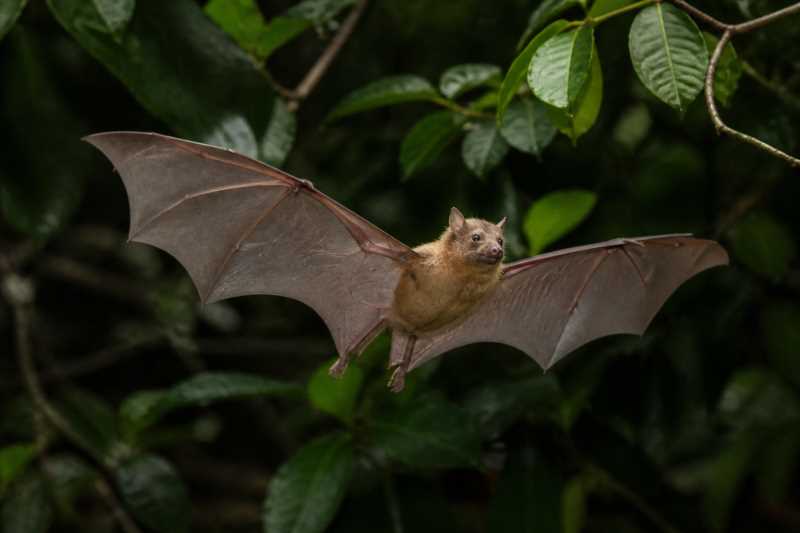
The Honduran Fruit-eating Bat is a medium-sized bat, with a wingspan ranging from 30 to 35 centimeters. Its fur is typically short and varies in color from dark brown to grayish, providing excellent camouflage among the trees. The bat’s face is distinguished by a short, broad snout, large eyes, and prominent ears. One of the notable features is its lack of a tail, which is a common trait among bats in the Artibeus genus.
These bats possess powerful jaws and broad, flat molars, which are specialized for crushing fruit. This dental adaptation is crucial for their frugivorous diet. Additionally, their forelimbs have evolved into wings, allowing them to maneuver adeptly through dense forests.
Range and Habitat
The Honduran Fruit-eating Bat is primarily found in the tropical and subtropical regions of Central America. Its range extends from southern Mexico through Honduras, Nicaragua, and into Costa Rica. These bats inhabit a variety of forested environments, including lowland rainforests, montane forests, and even disturbed areas such as plantations.
They prefer habitats with abundant fruiting trees, which provide a reliable food source. These bats are also known to roost in caves, tree hollows, and under large leaves, where they can find shelter and protection from predators.
Behavior and Diet
As nocturnal animals, Honduran Fruit-eating Bats are most active at night. They are primarily frugivorous, feeding on a diverse range of fruits from various plant species. Their diet includes figs, bananas, guavas, and other tropical fruits, which they locate using their keen sense of smell and excellent night vision.
These bats are crucial for seed dispersal in their ecosystems. After consuming fruit, they fly to different locations, excreting seeds in their droppings. This behavior helps in the regeneration of plant species and the maintenance of healthy forest ecosystems.
In addition to their frugivorous diet, they occasionally feed on nectar and pollen, contributing to plant pollination. This dual role as seed dispersers and pollinators underscores their ecological importance.
Identification Tips (Field Recognition Cues)
Identifying the Honduran Fruit-eating Bat in the field can be challenging due to its nocturnal habits and the dense habitats it occupies. However, there are several features and behaviors that can aid in recognition:
- Size and Shape: Look for a medium-sized bat with a broad, flat face and no tail.
- Fur Color: Their fur ranges from dark brown to gray, which may blend with the bark of trees.
- Flight Pattern: These bats exhibit a smooth and agile flight, often seen darting among fruiting trees at dusk.
- Roosting Habits: During the day, they may be found roosting in caves, tree hollows, or under large leaves.
- Vocalizations: While not as vocal as other bat species, they may emit soft calls during flight.
Conservation Status (With Threats and Protections)
The Honduran Fruit-eating Bat is currently classified as Least Concern by the International Union for Conservation of Nature (IUCN). However, they face several threats that could impact their populations in the future.
Threats
- Habitat Loss: Deforestation for agriculture and urban development is a significant threat, reducing available roosting and foraging areas.
- Pesticide Use: The use of pesticides in agriculture can contaminate food sources and harm bat populations.
- Climate Change: Altered weather patterns can affect fruit availability and disrupt migratory patterns.
Protections
- Legal Protections: In some regions, bats are protected under wildlife conservation laws, which aim to safeguard their habitats.
- Conservation Efforts: Initiatives to preserve and restore tropical forests benefit these bats and other wildlife.
- Research and Monitoring: Ongoing studies help track bat populations and inform conservation strategies.
Frequently Asked Questions
What is the primary diet of the Honduran Fruit-eating Bat?
The Honduran Fruit-eating Bat primarily feeds on a variety of fruits, including figs, bananas, and guavas. They also occasionally consume nectar and pollen, aiding in plant pollination.
How do Honduran Fruit-eating Bats contribute to their ecosystem?
These bats play a vital role in seed dispersal and pollination, supporting plant regeneration and biodiversity in tropical forests.
Where can Honduran Fruit-eating Bats be found?
They are found in Central America, from southern Mexico to Costa Rica, inhabiting tropical and subtropical forests, including lowland rainforests and montane forests.
What are the main threats to the Honduran Fruit-eating Bat?
The primary threats include habitat loss due to deforestation, pesticide use, and climate change, which can affect their food sources and habitat availability.
Are Honduran Fruit-eating Bats protected by law?
In some regions, they are protected under wildlife conservation laws, which aim to preserve their habitats and ensure their survival.
Related posts