Introduction
The Chinese Pipistrelle, scientifically known as Hypsugo pulveratus, is a captivating species of bat found predominantly in Asia. This small mammal is part of the Vespertilionidae family, which is a highly diverse group of bats encompassing over 400 species. Known for its nocturnal habits and insectivorous diet, the Chinese Pipistrelle plays a crucial role in maintaining ecological balance by controlling insect populations. Despite its significance, much about this elusive creature remains understudied, making it a subject of interest for mammalogists and wildlife enthusiasts alike.
Bats, in general, are often misunderstood and sometimes unfairly maligned due to myths and misconceptions. However, they are vital components of their ecosystems, contributing to pest control, pollination, and seed dispersal. The Chinese Pipistrelle, with its distinctive features and behaviors, is a prime example of the ecological importance of bats.
Physical Description
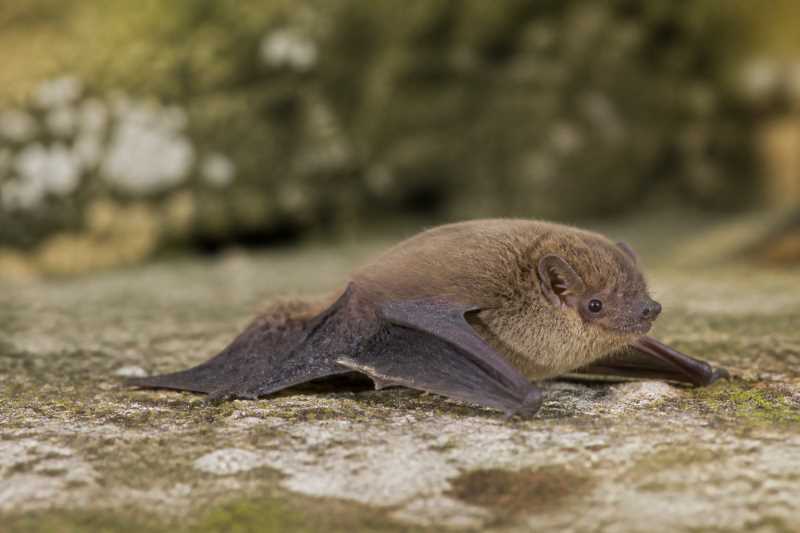
The Chinese Pipistrelle is a small bat species, with an average wingspan ranging from 20 to 25 centimeters and a body length of approximately 4 to 5 centimeters. Its weight varies between 5 to 8 grams, making it one of the lighter members of the bat family. The fur of the Chinese Pipistrelle is generally a brownish-grey color, offering excellent camouflage against tree bark and foliage, which are common roosting sites.
This species is characterized by a relatively blunt snout and small, rounded ears that are adept at detecting even the faintest sounds. The eyes of the Chinese Pipistrelle are small, as is typical for nocturnal creatures that rely more on echolocation than vision. Its wings are slender and agile, allowing for rapid, acrobatic flight as it hunts for insects in the dark.
Another distinctive feature of the Chinese Pipistrelle is its tail, which extends slightly beyond the tail membrane, a characteristic seen in many bats within the Vespertilionidae family. The tail and wing membranes are typically darker than the body, enhancing its ability to blend into its surroundings during rest.
Range and Habitat
The Chinese Pipistrelle has a distribution that spans several Asian countries, including China, India, Nepal, and Vietnam. It is typically found in a variety of habitats, ranging from subtropical and tropical forests to more temperate regions. Within these areas, the Chinese Pipistrelle favors roosting in tree hollows, caves, and man-made structures such as abandoned buildings.
This species is highly adaptable, capable of thriving in both rural and urban environments, provided there is adequate food availability and suitable roosting sites. The presence of water bodies such as rivers and lakes is also a common feature of their habitat, as these areas tend to have higher insect populations, which are the primary food source for the Chinese Pipistrelle.
Behavior and Diet
The Chinese Pipistrelle is predominantly nocturnal, emerging from its roosting sites at dusk to begin its nightly hunt for food. It employs echolocation to navigate and detect prey, emitting high-frequency sound waves that bounce off objects in its environment, allowing it to form a mental map of its surroundings.
In terms of diet, the Chinese Pipistrelle is insectivorous, primarily feeding on small insects such as moths, beetles, and mosquitoes. Its role as a pest controller is invaluable, particularly in agricultural areas where insect populations can become problematic. The bat’s feeding activity not only reduces the need for chemical pesticides but also supports natural pest management.
Socially, the Chinese Pipistrelle is known to be a solitary creature, although it may form small colonies during the breeding season or in favorable roosting sites. Communication among individuals is maintained through a series of vocalizations and pheromones, which play a role in mating and territory establishment.
Identification Tips
Field identification of the Chinese Pipistrelle can be challenging due to its small size and nocturnal habits. However, there are several key features that can aid in recognizing this species:
- Size and Shape: Look for a small bat with a wingspan of about 20-25 cm and a body length of 4-5 cm. The tail extends slightly beyond the tail membrane.
- Coloration: Note the brownish-grey fur, which provides effective camouflage, and the darker membranes of the wings and tail.
- Flight Pattern: Observe its flight, which is typically agile and erratic as it maneuvers to catch insects.
- Echolocation Calls: Use a bat detector to listen for its echolocation calls, which are high-frequency sounds beyond the range of human hearing.
- Roosting Sites: Check tree hollows, cave entrances, and abandoned buildings where it may be resting during the day.
Conservation Status
The conservation status of the Chinese Pipistrelle is currently listed as Least Concern by the International Union for Conservation of Nature (IUCN). However, like many bat species, it faces threats that could impact its populations in the future.
Threats:
- Habitat Loss: Deforestation and land conversion for agriculture and urban development reduce available roosting and foraging sites.
- Pollution: Pesticide use in agricultural areas diminishes insect populations, reducing food availability for insectivorous bats.
- Climate Change: Alterations in climate can affect insect abundance and distribution, impacting food sources for bats.
- Human Disturbance: Increased human activity in natural habitats can disrupt roosting and breeding sites.
Protections:
Efforts to protect the Chinese Pipistrelle include habitat conservation initiatives and public education about the ecological importance of bats. Establishing protected areas and promoting sustainable agricultural practices can help mitigate some of the threats faced by this species.
Frequently Asked Questions
1. What is the primary diet of the Chinese Pipistrelle?
The Chinese Pipistrelle primarily feeds on insects, including moths, beetles, and mosquitoes. Its insectivorous diet makes it an important player in controlling pest populations.
2. Where can the Chinese Pipistrelle be found?
This bat species is distributed across several Asian countries, including China, India, Nepal, and Vietnam, and it inhabits a range of environments from tropical forests to urban areas.
3. How does the Chinese Pipistrelle use echolocation?
The Chinese Pipistrelle emits high-frequency sound waves that bounce off objects, allowing it to navigate and hunt in the dark. This echolocation ability helps it locate prey and avoid obstacles.
4. Why is the Chinese Pipistrelle important for the ecosystem?
As an insectivorous bat, the Chinese Pipistrelle helps control insect populations, reducing the need for chemical pesticides and supporting natural pest management.
5. What are the main threats to the Chinese Pipistrelle?
Key threats include habitat loss due to deforestation and urbanization, pesticide use that reduces insect prey, and disturbances from human activity.
Related posts