Introduction
The African Yellow Bat (Scotophilus dinganii) is a fascinating species of bat that inhabits various regions of sub-Saharan Africa. Known for its distinctive yellowish fur, this bat species plays a crucial role in its ecosystem by controlling insect populations and contributing to the pollination of plants. As a member of the Vespertilionidae family, the African Yellow Bat is closely related to other vesper bats, sharing many characteristics and behaviors typical of this diverse family. This article delves into the physical attributes, habitat preferences, behaviors, and conservation status of the African Yellow Bat, providing a comprehensive overview for bat enthusiasts and researchers alike.
Physical Description
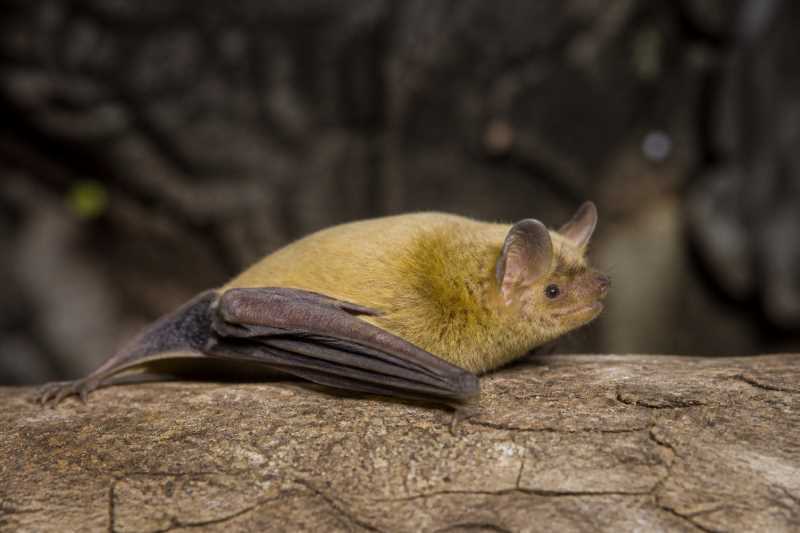
The African Yellow Bat is striking in appearance, primarily due to its unique yellowish-brown fur that gives it its common name. The fur is soft and dense, providing excellent insulation. Adult bats typically have a wingspan ranging from 28 to 32 centimeters and weigh between 20 to 30 grams. The body length of these bats is usually between 10 to 12 centimeters.
This species has a broad, rounded head with relatively small eyes and large ears that are crucial for echolocation. The ears are not connected at the base, a feature that distinguishes them from some other bat species. The tail is long and extends well beyond the uropatagium, which is the membrane that extends between the hind limbs and the tail. The wing membranes are dark and somewhat translucent, allowing for agile and swift flight.
Range and Habitat
African Yellow Bats are widespread throughout sub-Saharan Africa. They have been documented in countries such as South Africa, Botswana, Zimbabwe, Kenya, and Zambia. These bats favor warm climates and are typically found in savannas, woodlands, and forest edges. They can also be found in more urbanized areas where there is sufficient tree cover and roosting opportunities.
These bats prefer habitats that provide plenty of roosting sites, such as hollow trees and buildings. They are adaptable and can thrive in various environments as long as there are ample food sources and suitable roosting sites available. The presence of water bodies nearby is beneficial because it attracts a higher concentration of insects, which are the primary food source for these bats.
Behavior and Diet
The African Yellow Bat is predominantly nocturnal, emerging at dusk to begin its nightly foraging activities. Like many other bat species, they use echolocation to navigate and hunt for food. Their diet primarily consists of insects, including beetles, moths, and mosquitoes. By controlling insect populations, they play a vital role in maintaining the ecological balance in their habitats.
These bats are solitary or may roost in small groups, particularly during the breeding season. Mating usually occurs in the late summer, with females giving birth to one or two pups after a gestation period of approximately three months. The young bats are cared for by the mother until they are capable of flight and can hunt independently.
Identification Tips (Field Recognition Cues)
Identifying the African Yellow Bat in the field can be challenging due to its nocturnal habits and flight patterns. However, several key characteristics can aid in its identification:
- Coloration: The yellowish-brown fur is a distinctive feature.
- Size: Medium-sized bat with a wingspan of 28-32 cm.
- Echolocation Calls: High-pitched calls that can be detected using a bat detector.
- Roosting Habits: Look for them in hollow trees or under the eaves of buildings.
Conservation Status (With Threats and Protections)
The African Yellow Bat is currently listed as Least Concern by the International Union for Conservation of Nature (IUCN). However, like many bat species, it faces several threats that could impact its population numbers. Habitat destruction due to deforestation and urbanization poses a significant risk, as it reduces the availability of suitable roosting sites and feeding grounds.
Pesticide use in agriculture can also affect these bats by reducing the availability of insect prey and potentially exposing them to harmful chemicals. Climate change further exacerbates these threats by altering habitats and food availability.
Conservation efforts for the African Yellow Bat focus on habitat preservation and reducing pesticide use. Protecting natural habitats such as forests and wetlands is crucial, as is promoting the use of bat-friendly pest control methods in agriculture.
Frequently Asked Questions
Why is this species unique?
The African Yellow Bat is unique due to its distinct yellowish-brown fur, which is uncommon among other bat species. This coloration, along with its adaptable nature, sets it apart from many other bats in the Vespertilionidae family.
What role does the African Yellow Bat play in its ecosystem?
This bat species is integral to its ecosystem primarily as an insect predator. By consuming large quantities of insects, they help control pest populations, benefiting both natural ecosystems and human agricultural activities.
Are African Yellow Bats dangerous to humans?
African Yellow Bats are not dangerous to humans. They are timid creatures that avoid contact with people. The primary concern would be the transmission of diseases if humans handle bats improperly, but this is easily mitigated by avoiding direct contact.
How can we help in bat conservation?
Supporting bat conservation efforts involves protecting natural habitats, reducing pesticide usage, and spreading awareness about the ecological importance of bats. Encouraging bat-friendly practices in agriculture and urban development can also help.
What is the biggest threat to the African Yellow Bat?
Habitat destruction due to human activities such as deforestation and urban expansion is the most significant threat to the African Yellow Bat. Conservation efforts must focus on habitat protection and restoration to ensure their survival.
Related posts