Introduction
The Japanese Long-eared Bat, scientifically known as Plecotus sacrimontis, is a fascinating and elusive member of the Vespertilionidae family. This bat species is part of the genus Plecotus, which is renowned for its characteristic long ears. While bats often evoke images of mysterious nocturnal creatures, the Japanese Long-eared Bat stands out due to its unique adaptations and ecological significance in its native habitats. This article delves into various aspects of this intriguing mammal, including its physical description, range, habitat, behavior, diet, and conservation status.
Physical Description
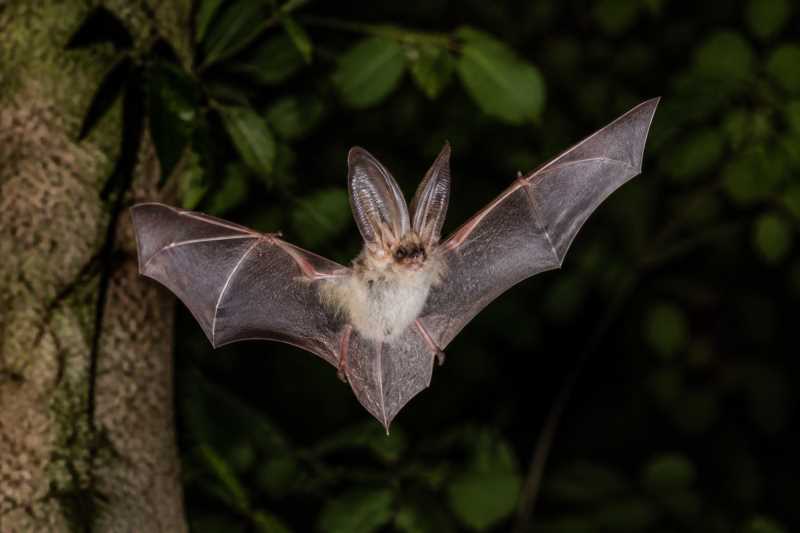
The Japanese Long-eared Bat is distinguished by its exceptionally long ears, which can measure up to 38 millimeters, almost half the length of its body. This feature not only aids in echolocation but also provides an enhanced ability to detect even the faintest sounds made by its prey. The bats have a wingspan ranging from 240 to 285 millimeters and weigh between 5 to 9 grams, making them relatively small among bat species.
Their fur is typically a brownish-gray color, providing excellent camouflage against tree bark and rocky surfaces. This cryptic coloring helps them avoid predation during their daytime roosting periods. The facial features of the Japanese Long-eared Bat are quite delicate, with a slightly upturned nose and large, expressive eyes that are well-adapted for low-light conditions.
Range and Habitat
The Japanese Long-eared Bat is endemic to Japan, with its range primarily covering the islands of Honshu, Shikoku, and Kyushu. It thrives in temperate forests, where it can find ample roosting sites and food sources. These bats prefer areas with dense foliage that offer protection from predators and harsh weather conditions.
In terms of roosting preferences, they often select tree cavities, rock crevices, and even man-made structures such as attics and barns. During the colder months, they may hibernate in caves or other sheltered locations that provide stable temperatures and humidity levels.
Behavior and Diet
The Japanese Long-eared Bat is a nocturnal creature, becoming active shortly after sunset. Its long ears are not just for show; they play a crucial role in its hunting strategy. The bat employs a technique known as "gleaning," where it listens intently for the sounds of insects moving through vegetation. Once it pinpoints its target, the bat swoops in to capture its prey.
The diet of the Japanese Long-eared Bat consists primarily of moths, beetles, and other small insects. This insectivorous diet plays a significant role in controlling pest populations, making these bats valuable to the ecosystems they inhabit.
Identification Tips (Field Recognition Cues)
Identifying the Japanese Long-eared Bat in the field can be challenging due to its elusive nature and nocturnal habits. However, several key characteristics can assist observers:
- Ears: The most distinctive feature is its extraordinarily long ears, which are easily noticeable when the bat is at rest.
- Flight Pattern: They exhibit a fluttery and agile flight pattern, often hovering close to vegetation while hunting.
- Fur Color: Their brownish-gray fur blends seamlessly with tree bark, providing effective camouflage.
- Size: Smaller than many other bat species, with a wingspan of 240-285 mm and a weight of 5-9 grams.
Conservation Status (With Threats and Protections)
Currently, the Japanese Long-eared Bat is classified as Near Threatened on the IUCN Red List. The primary threats to this species include habitat loss due to deforestation and urban expansion. Additionally, the use of pesticides in agriculture poses a significant risk by reducing insect populations, which are their primary food source.
Conservation efforts are underway to protect these bats, including habitat preservation and the creation of bat-friendly structures in areas where natural roosting sites are scarce. Public education and awareness campaigns are also crucial in promoting the importance of bats to local ecosystems and encouraging coexistence.
Frequently Asked Questions
1. What adaptations help the Japanese Long-eared Bat in hunting?
The Japanese Long-eared Bat has several adaptations that aid in hunting, including its long ears, which enhance its ability to detect the faint sounds of insects. This, combined with echolocation, allows it to locate and capture prey with precision.
2. Where do Japanese Long-eared Bats roost during the day?
During the day, these bats typically roost in tree cavities, rock crevices, and sometimes in man-made structures like attics. In winter, they may hibernate in caves or other stable environments.
3. How does the Japanese Long-eared Bat contribute to its ecosystem?
As insectivores, Japanese Long-eared Bats play a crucial role in controlling insect populations, which can help to reduce pests in agricultural areas and maintain balanced ecosystems.
4. Are Japanese Long-eared Bats solitary or social creatures?
These bats are generally solitary or form small groups, particularly during hibernation. They are not known to form large colonies like some other bat species.
5. What conservation measures are in place for the Japanese Long-eared Bat?
Conservation measures include habitat protection, creating bat-friendly environments, and reducing pesticide use. Public awareness campaigns also emphasize the ecological importance of bats and encourage conservation efforts.
Related posts