Introduction
The Azores Noctule, scientifically known as Nyctalus azoreum, is a fascinating mammal species endemic to the Azores archipelago. This bat species is one of the few mammals native to the region and is of significant ecological and scientific interest. Known for its agile flight and nocturnal habits, the Azores Noctule plays a crucial role in maintaining the ecological balance in its habitat. This article delves into the physical characteristics, habitat, behavior, and conservation status of this remarkable species.
Physical Description
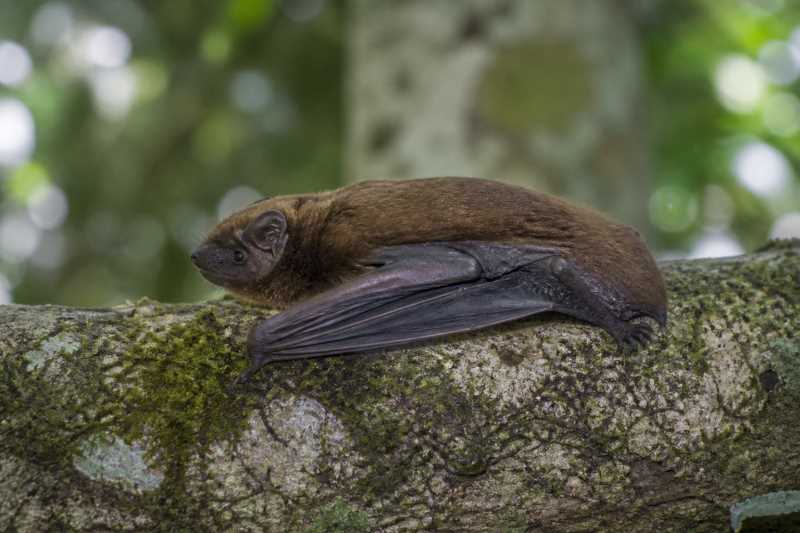
The Azores Noctule is a medium-sized bat with distinct characteristics that set it apart from other bat species. It has a robust body and a wingspan that ranges from 32 to 36 centimeters, allowing for swift and agile flight. The fur of the Azores Noctule is typically a rich, dark brown, providing excellent camouflage against the bark of trees where it roosts.
The face of the Azores Noctule is blunt and broad, with small, rounded ears and a short muzzle. Unlike some other bat species, it lacks a nose-leaf, which is a common feature in leaf-nosed bats. The eyes are small yet adapted to low-light conditions, allowing the bat to navigate and hunt efficiently at night.
One of the most distinctive features of the Azores Noctule is its echolocation capabilities. This species emits ultrasonic calls that bounce off objects and return as echoes, enabling it to detect prey and navigate through its environment with precision.
Range and Habitat
The Azores Noctule is exclusively found in the Azores, a group of nine volcanic islands in the North Atlantic Ocean. These islands provide a unique environment that supports a diverse range of flora and fauna, including this nocturnal mammal.
The bat primarily inhabits forested areas, where it can find ample roosting sites in tree crevices, caves, and occasionally in man-made structures. The temperate climate of the Azores, combined with abundant insect prey, makes these islands an ideal home for the Azores Noctule.
Due to its limited range, the Azores Noctule is particularly susceptible to changes in its environment. Habitat destruction and alteration, often due to human activity, pose significant threats to its survival.
Behavior and Diet
The Azores Noctule is a nocturnal creature, becoming active at dusk. It spends the dark hours foraging for food, primarily feeding on insects such as moths, beetles, and other flying insects. Its diet plays a crucial role in controlling insect populations, thereby contributing to the ecological balance of its habitat.
This bat species exhibits a high degree of social behavior, often roosting in small colonies. Communication within these colonies is facilitated by a range of vocalizations, which are also used during mating rituals.
During the winter months, the Azores Noctule exhibits torpor, a state of reduced metabolic activity that conserves energy when food is scarce. This adaptation is essential for surviving the cooler months when insect activity is low.
Identification Tips (Field Recognition Cues)
Identifying the Azores Noctule in the field involves observing several key features:
- Size and Shape: Medium-sized with a wingspan of 32-36 cm and a robust body.
- Coloration: Dark brown fur that blends with tree bark.
- Echolocation Calls: High-pitched ultrasonic sounds used for navigation and hunting.
- Flight Pattern: Agile and swift, often seen foraging at dusk and dawn.
Field observations during dusk and dawn, when the bats are most active, provide the best opportunities for identification.
Conservation Status (with Threats and Protections)
The Azores Noctule is currently classified as Near Threatened on the IUCN Red List. Its limited range, confined to the Azores, makes it particularly vulnerable to environmental changes and human activities.
Threats
- Habitat Destruction: Deforestation and land-use changes for agriculture and urban development reduce available roosting and foraging areas.
- Pesticide Use: Agricultural chemicals can reduce insect populations, the primary food source for the bats, and potentially harm the bats themselves through bioaccumulation.
- Climate Change: Alterations in temperature and precipitation patterns can impact the availability of prey and suitable roosting sites.
Protections
Several conservation measures are in place to protect the Azores Noctule:
- Protected Areas: Many of the bat’s habitats are within protected areas, limiting habitat destruction.
- Research and Monitoring: Ongoing studies aim to better understand the species’ ecology and inform conservation strategies.
- Public Awareness: Educational programs raise awareness about the importance of bats and the need for their conservation.
Conservation efforts must focus on maintaining and restoring natural habitats, regulating pesticide use, and monitoring population trends to ensure the survival of this unique species.
Frequently Asked Questions
- What is the primary diet of the Azores Noctule?
The Azores Noctule primarily feeds on insects, including moths and beetles. Its diet helps control insect populations, contributing to ecological balance.
- Where can the Azores Noctule be found?
The Azores Noctule is endemic to the Azores archipelago, located in the North Atlantic Ocean. It inhabits forested areas and sometimes roosts in caves and man-made structures.
- How does the Azores Noctule navigate at night?
The Azores Noctule uses echolocation to navigate and hunt at night. It emits ultrasonic calls that bounce off objects and return as echoes, allowing it to detect obstacles and prey.
- What threats does the Azores Noctule face?
Key threats include habitat destruction, pesticide use, and climate change. These factors can reduce available resources and impact the bat’s survival.
- What conservation measures are in place for the Azores Noctule?
Conservation measures include habitat protection, research and monitoring, and public awareness initiatives to promote the species’ conservation.
Related posts