Introduction
The Great Evening Bat, scientifically known as Ia io, is an intriguing mammalian species renowned for its unique features and ecological significance. Belonging to the family Vespertilionidae, it is one of the larger bat species found in Southeast Asia. With its fascinating nocturnal lifestyle and distinct physical characteristics, the Great Evening Bat plays a critical role in maintaining the ecological balance by contributing to pest control and seed dispersal.
As an integral component of the ecosystem, the Great Evening Bat is a subject of interest for researchers and conservationists alike. This article delves into the various aspects of this remarkable species, including its physical description, habitat, behavior, and conservation status, providing valuable insights for enthusiasts and scholars.
Physical Description
The Great Evening Bat is notable for its considerable size compared to other bat species within its range. Adult bats typically have a wingspan ranging from 51 to 60 centimeters, making them one of the largest bats in the region. Their body length is approximately 90 to 105 millimeters, and they weigh between 50 to 70 grams.
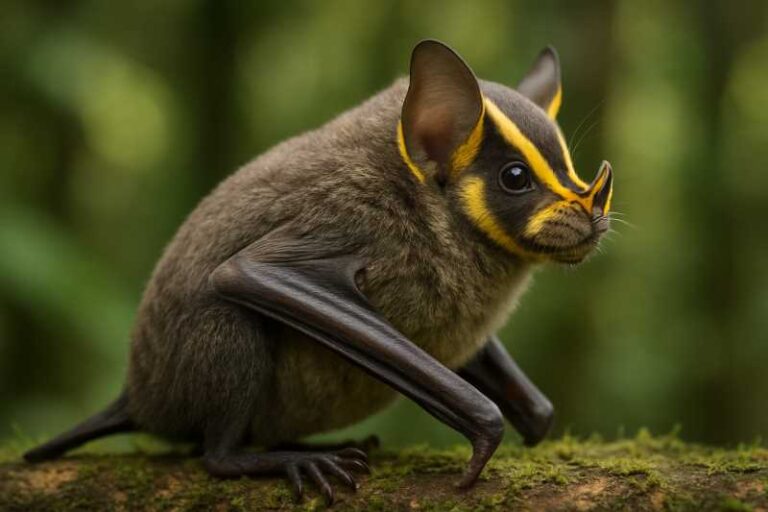
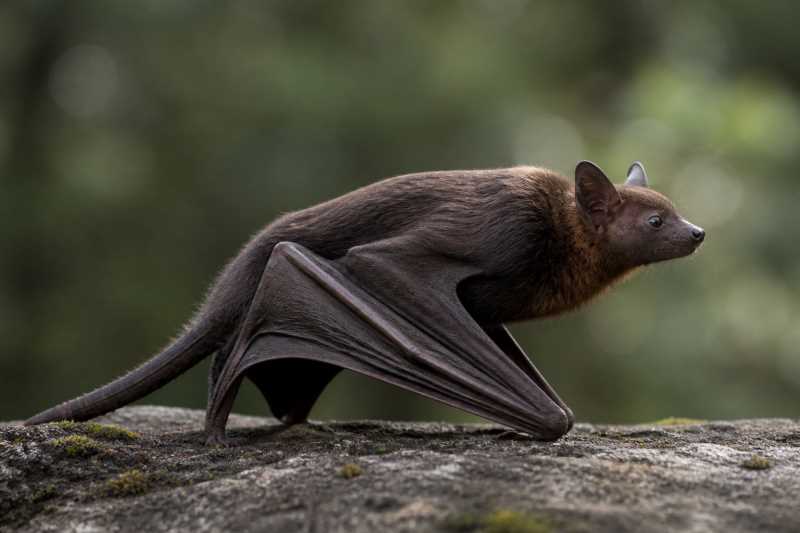
The fur of the Great Evening Bat is predominantly dark brown or blackish, with a glossy sheen that adds to its distinctive appearance. The fur on the underside is generally lighter, often appearing grayish or buff. One of the most striking features of this species is its large ears, which are rounded and extend beyond the nose when laid forward. These ears play a crucial role in echolocation, allowing the bat to navigate and hunt effectively in the dark.
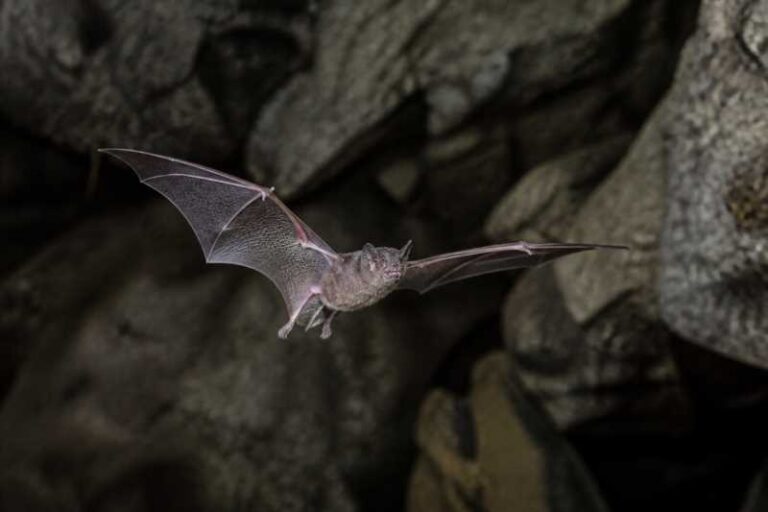
The Great Evening Bat has a broad and robust muzzle, with sharp teeth adapted for its insectivorous diet. The wings are long and narrow, facilitating agile flight and maneuverability, which are essential for hunting and avoiding predators.
Range and Habitat
Ia io is predominantly found across several countries in Southeast Asia, including India, Nepal, China, Thailand, Vietnam, and Laos. These bats are typically associated with forested regions, particularly those with a mix of deciduous and evergreen trees.
Their preferred habitats include tropical and subtropical forests, where they roost in tree hollows, caves, and sometimes in man-made structures such as old buildings. The availability of suitable roosting sites is crucial for their survival, as these provide shelter from predators and harsh weather conditions.
The Great Evening Bat’s range is influenced by various factors, including food availability and climate conditions. Seasonal migrations are observed in some populations, as they move to different areas to exploit seasonal food resources or to escape unfavorable weather conditions.
Behavior and Diet
The Great Evening Bat is primarily nocturnal, emerging from its roosts at dusk to forage for food. Its diet mainly consists of insects, including moths, beetles, and other flying insects. The bat uses echolocation to detect and capture prey, emitting ultrasonic calls that bounce off objects and return as echoes.
In addition to echolocation, the Great Evening Bat relies on its acute sense of hearing and sight to navigate and hunt in the dark. These sensory adaptations are crucial for its survival in the complex forest environments it inhabits.
Social behavior in Great Evening Bats is characterized by the formation of small colonies, often consisting of a few dozen individuals. These colonies roost together during the day and disperse at night to forage. The bats communicate using a variety of vocalizations, which are thought to play a role in coordinating group activities and maintaining social bonds.
Identification Tips
Identifying the Great Evening Bat in the field requires careful observation of its key characteristics. Here are some tips to help recognize this species:
- Size and Wingspan: Look for a bat with a large wingspan of 51 to 60 centimeters and a body length of 90 to 105 millimeters.
- Fur Color: Note the dark brown or blackish fur, with a glossy appearance on the back and lighter grayish or buff fur on the underside.
- Ear Shape: Observe the large, rounded ears that extend beyond the nose when laid forward, a distinctive feature of this species.
- Flight Pattern: The Great Evening Bat exhibits agile and swift flight patterns, often seen foraging around tree canopies and open areas at dusk.
- Vocalizations: Listen for high-pitched ultrasonic calls used for echolocation, which may be detectable with specialized equipment.
Conservation Status
The conservation status of the Great Evening Bat is currently classified as Least Concern by the International Union for Conservation of Nature (IUCN). However, like many bat species, it faces several threats that could impact its populations in the future.
Threats
- Habitat Loss: Deforestation and land-use changes are major threats to the Great Evening Bat’s habitat. The loss of roosting sites and foraging areas due to agricultural expansion and urbanization poses significant challenges to their survival.
- Pesticide Use: The widespread use of pesticides in agriculture can reduce the availability of insect prey and expose bats to harmful chemicals.
- Climate Change: Alterations in climate patterns can affect the availability of food resources and suitable roosting conditions.
Protections
Conservation efforts for the Great Evening Bat include habitat protection and restoration, as well as public awareness campaigns to highlight the ecological importance of bats. Some regions have established protected areas to conserve critical habitats and roosting sites.
Research initiatives aimed at understanding the species’ ecology and behavior also contribute to effective conservation strategies, ensuring the long-term survival of the Great Evening Bat.
Frequently Asked Questions
What are the main threats to the Great Evening Bat?
The main threats to the Great Evening Bat include habitat loss due to deforestation, pesticide use in agriculture, and climate change. These factors can reduce the availability of roosting sites and food resources, impacting their populations.
How does the Great Evening Bat contribute to the ecosystem?
The Great Evening Bat plays a crucial role in controlling insect populations, particularly pest species. By consuming large quantities of insects, they help maintain ecological balance and support agricultural productivity.
Where can I find the Great Evening Bat in its natural habitat?
The Great Evening Bat is found in tropical and subtropical forests across Southeast Asia, including countries like India, Nepal, China, Thailand, Vietnam, and Laos. They typically roost in trees, caves, and old buildings.
How do Great Evening Bats communicate?
Great Evening Bats communicate using a variety of vocalizations, including ultrasonic echolocation calls for navigation and foraging. These vocalizations also play a role in social interactions within colonies.
What efforts are being made to conserve the Great Evening Bat?
Conservation efforts include protecting and restoring habitats, establishing protected areas, and conducting research to understand the species’ ecology. Public awareness campaigns also emphasize the ecological importance of bats.
Related posts