Introduction
Ognev’s Serotine, scientifically known as Cnephaeus ognevi, is a fascinating species of bat belonging to the family Vespertilionidae. Named after the renowned Russian zoologist Sergei Ognev, this species has garnered interest from researchers and wildlife enthusiasts alike due to its unique adaptations and ecological significance. In this comprehensive article, we delve into the various aspects of Ognev’s Serotine, ranging from its physical characteristics to its habitat and conservation status.
Physical Description
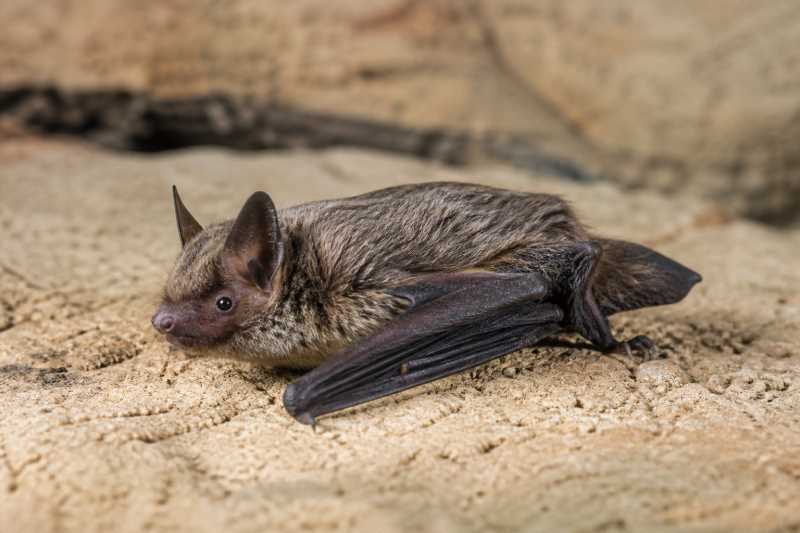
Ognev’s Serotine is a medium-sized bat characterized by its distinct morphological features. The species exhibits a robust body with an average wingspan ranging from 28 to 35 centimeters. The fur is typically a dark brown or blackish color, providing an effective camouflage against nocturnal predators. One of the most notable features is its elongated ears, which are adapted for echolocation, a critical aspect of its hunting behavior.
The face of Cnephaeus ognevi is adorned with a slightly upturned nose, which, along with its large eyes, provides excellent night vision. These physical traits are crucial for navigating and foraging in its predominantly nocturnal lifestyle. The tail is relatively short and partially enclosed within the interfemoral membrane, which aids in agile flight maneuvers.
Range and Habitat
Ognev’s Serotine is primarily found in the temperate and subtropical regions of Eastern Europe and parts of Asia. Its range extends across countries such as Russia, Ukraine, and Kazakhstan. The species prefers habitats that include deciduous and mixed forests, which provide ample roosting sites and a rich supply of insect prey.
The bat is known to roost in tree hollows, old buildings, and occasionally caves, favoring environments that offer both shelter and proximity to food sources. Seasonal migrations have been observed, with populations relocating to warmer areas during the colder months to ensure survival.
Behavior and Diet
Ognev’s Serotine is largely nocturnal, exhibiting peak activity shortly after sunset. Its primary diet consists of a wide variety of insects, which it skillfully hunts using echolocation. The bat emits high-frequency sound waves that bounce off objects, allowing it to detect prey with remarkable precision.
Socially, Ognev’s Serotine is known to form small colonies, often comprising family groups. These colonies facilitate cooperative behaviors such as shared roosting and mutual grooming, which enhance survival rates. The bat’s mating season occurs in late summer, and females typically give birth to one or two offspring after a gestation period of approximately two months.
Identification Tips (Field Recognition Cues)
Identifying Ognev’s Serotine in the field requires attention to several key characteristics. Firstly, observe the bat’s size and coloration, looking for the dark brown or blackish fur. Secondly, note the elongated ears and the unique nose structure, which distinguish it from other bat species.
In flight, Ognev’s Serotine exhibits a fluttering and agile movement, often seen foraging near water bodies or forest edges. Listening for its distinct echolocation calls, which are typically beyond the range of human hearing, can also aid identification with the use of bat detectors.
Conservation Status (with Threats and Protections)
The conservation status of Ognev’s Serotine is currently listed as "Near Threatened" on the IUCN Red List. The species faces several threats, including habitat destruction due to deforestation and urban development. Additionally, pesticide use in agriculture has led to a decline in insect populations, reducing the bat’s food resources.
Conservation efforts are in place to protect Cnephaeus ognevi, focusing on habitat preservation and creating awareness about the importance of bats in ecosystems. Protected areas and legislation aimed at reducing deforestation are crucial for the species’ survival. Community engagement and education programs also play a vital role in fostering coexistence between humans and these essential mammals.
Frequently Asked Questions
1. What is the primary diet of Ognev’s Serotine? Ognev’s Serotine primarily feeds on insects. It employs echolocation to hunt a variety of insects, including moths, beetles, and flies, making it an integral part of controlling insect populations.
2. Where can Ognev’s Serotine be found? This species is found in Eastern Europe and parts of Asia, particularly in countries like Russia, Ukraine, and Kazakhstan. It prefers deciduous and mixed forests with abundant roosting and foraging opportunities.
3. How does Ognev’s Serotine navigate and hunt at night? The bat uses echolocation to navigate and hunt. It emits high-frequency sounds that bounce off objects, allowing it to locate prey and navigate through its environment with precision.
4. What are the main threats to Ognev’s Serotine? The primary threats include habitat destruction from deforestation and urban expansion, as well as the decline in insect populations due to pesticide use in agriculture.
5. How can we help protect Ognev’s Serotine? Protecting this species involves supporting habitat conservation efforts, reducing pesticide use, and participating in community education programs to raise awareness about the ecological importance of bats.
Related posts