Russian Myotis (Myotis petax): A Comprehensive Guide
Introduction
The Russian Myotis, scientifically known as Myotis petax, is a fascinating bat species that commands interest due to its unique adaptations and widespread presence across the Palearctic region. As a member of the Vespertilionidae family, the Russian Myotis shares lineage with a diverse array of bats known for their insectivorous diets and nocturnal habits. This species plays a crucial role in maintaining ecological balance and offers insight into the evolutionary adaptations of bats inhabiting the colder regions of the world.
Physical Description
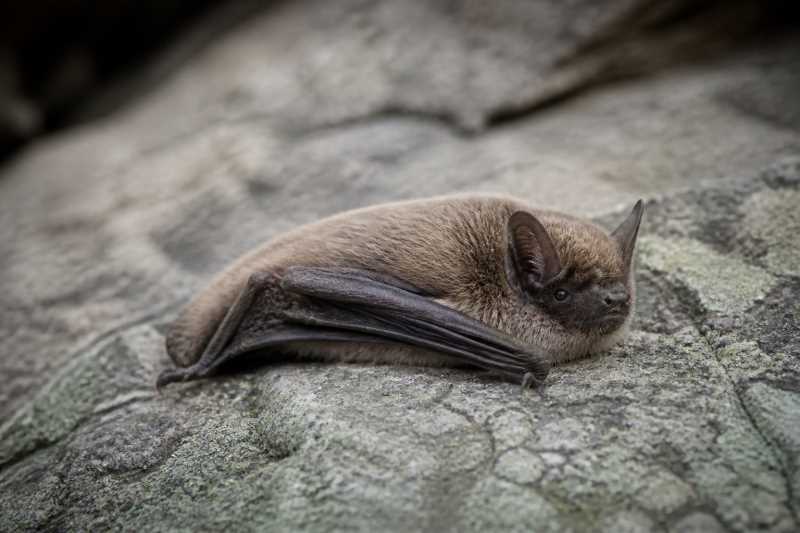
The Russian Myotis exhibits several distinctive physical traits that aid in its survival and ecological niche. This medium-sized bat typically measures between 4 to 5 centimeters in body length, with a wingspan stretching from 28 to 33 centimeters. The fur of the Russian Myotis is generally a mix of brown and grey hues, providing effective camouflage against tree bark and rocky surfaces. The dorsal side is darker, with lighter underparts, a characteristic that assists in blending with the surroundings during roosting.
One of the defining features of the Russian Myotis is its long ears, which are relatively larger compared to other species within the genus Myotis. These ears are instrumental in echolocation, enabling the bat to navigate and hunt efficiently in the dark. The species also has a pointed tragus within the ear, an adaptation that enhances its echolocation abilities. The wing membranes are thin yet robust, allowing for agile flight patterns that are essential for catching prey mid-air.
Range and Habitat
The Russian Myotis has an extensive range that spans across various countries in the Palearctic region. Its distribution includes Russia, China, Korea, and parts of Mongolia and Japan. Within these regions, the species prefers habitats that offer a mix of forested areas and open spaces. This includes temperate deciduous forests, boreal forests, and even mountainous regions where caves and crevices are abundant for roosting.
During the warmer months, the Russian Myotis is often found near water bodies such as rivers and lakes, which provide a rich supply of insects. In contrast, during the colder months, the species seeks out warmer, sheltered locations to hibernate, including caves and abandoned buildings. This seasonal movement between different habitats is a strategy that helps the Russian Myotis to cope with the varying climatic conditions of its range.
Behavior and Diet
The Russian Myotis is primarily nocturnal, emerging from its roosts at dusk to begin its nightly foraging activities. Its diet consists predominantly of insects, making it an essential predator in controlling insect populations. The bat employs echolocation to hunt, emitting high-frequency sound waves that bounce off objects and return to its ears, providing a sonic map of its surroundings.
In terms of behavior, the Russian Myotis is known for its social nature. It often roosts in colonies that can range from a few individuals to several hundred. These colonies are not just social hubs but also provide increased protection from predators and environmental conditions. During the breeding season, which typically occurs in the late summer, females will form maternity colonies where they give birth and rear their young.
Identification Tips (Field Recognition Cues)
Identifying the Russian Myotis in the field requires attention to several key characteristics:
- Ears: Look for long, rounded ears which are larger relative to body size than in other Myotis species.
- Coloration: Note the brown to grey fur with its darker back and lighter belly.
- Wingspan: Observe the wingspan, which typically ranges from 28 to 33 centimeters, and the thin, dark wing membranes.
- Roosting Sites: Check potential roosting sites such as tree hollows, caves, or buildings, especially those near water bodies.
Conservation Status (With Threats and Protections)
The conservation status of the Russian Myotis is currently listed as "Least Concern" by the International Union for Conservation of Nature (IUCN). Despite this favorable status, the species faces several threats that could impact its populations in the future. Habitat destruction, particularly deforestation and the disruption of roosting sites, poses a significant threat. Additionally, climate change and pesticide use could adversely affect insect populations, thereby impacting the food supply of the Russian Myotis.
Conservation efforts for the Russian Myotis include habitat preservation and legal protections in several countries within its range. Protected areas and reserves provide safe habitats, while legislation in countries like Russia and China restricts activities that could harm bat populations.
Frequently Asked Questions
What is the primary diet of the Russian Myotis?
The Russian Myotis primarily feeds on insects. It uses echolocation to detect and capture prey, playing a vital role in controlling insect populations in its habitat.
How does the Russian Myotis adapt to cold temperatures?
During colder months, the Russian Myotis enters hibernation. It seeks out warm, sheltered locations like caves or buildings to conserve energy and survive harsh winters.
Where can the Russian Myotis be found?
The Russian Myotis is distributed across the Palearctic region, including Russia, China, Korea, Mongolia, and Japan. It prefers forested and mountainous habitats near water bodies.
Are Russian Myotis bats social animals?
Yes, Russian Myotis bats are social and often roost in colonies. These colonies provide increased protection and social interaction, especially during the breeding season.
What threats do Russian Myotis bats face?
Major threats include habitat destruction, climate change, and pesticide use, all of which can impact their roosting sites and food supply. Conservation efforts are in place to mitigate these threats.
Related posts