Introduction
The Nepalese Whiskered Myotis, scientifically known as Myotis muricola, is a fascinating bat species belonging to the Vespertilionidae family. These small, insectivorous mammals are known for their distinctive facial features and agile flight. Found predominantly in the regions of South Asia, particularly in Nepal, they play a crucial role in maintaining the ecological balance by controlling insect populations. Despite their significance, these bats are often overlooked in biodiversity studies, making it essential to shed light on their characteristics, behaviors, and conservation needs.
Physical Description
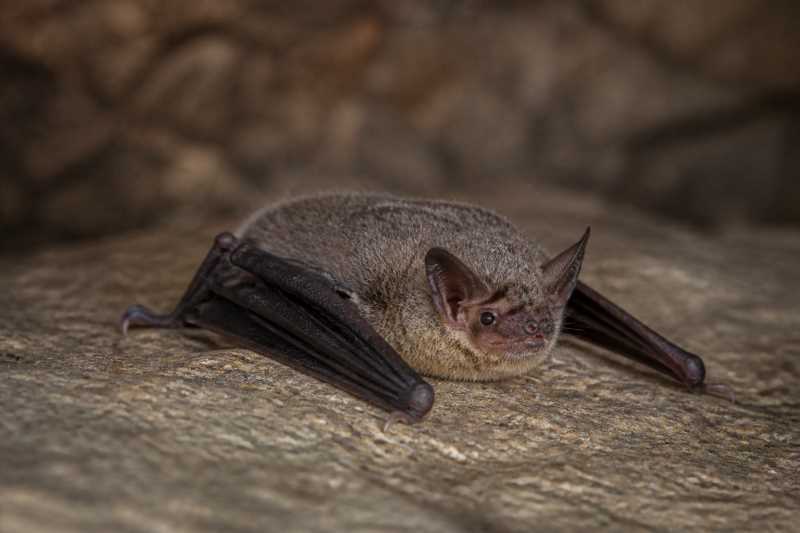
The Nepalese Whiskered Myotis is a small bat, with a forearm length ranging between 30 to 40 mm and a wingspan that typically extends from 200 to 250 mm. One of the most striking features of this species is its whiskered muzzle, which is adorned with long, sensitive hairs that aid in navigation and foraging. The fur of Myotis muricola is soft and dense, with a coloration that varies from dark brown to grey-brown on the dorsal side and lighter shades on the ventral side. The ears are relatively long, measuring about 10 to 15 mm, and are equipped with a tragus – a small, pointed structure that enhances their echolocation abilities. Their eyes are small, reflecting their reliance on sound rather than sight.
Range and Habitat
Myotis muricola has a broad distribution range across South and Southeast Asia, with populations recorded in Nepal, India, Bhutan, and parts of China and Southeast Asia. In Nepal, they are primarily found in the mid-hill regions, thriving in a variety of habitats including subtropical and temperate forests, agricultural lands, and even urban areas. These bats are highly adaptable and can roost in caves, hollow trees, and buildings, making them resilient to some degree of habitat disturbance. Their preference for forested environments highlights the importance of these ecosystems in supporting their populations.
Behavior and Diet
The Nepalese Whiskered Myotis is a nocturnal creature, spending the daylight hours roosting in secluded spots and emerging at dusk to forage. Their diet primarily consists of insects, making them an integral part of pest control in their native habitats. They employ echolocation to detect and capture prey, emitting high-frequency sound waves that bounce off objects and return to the bat’s sensitive ears. This sophisticated navigation system allows them to hunt with remarkable precision, even in complete darkness.
Socially, these bats are known to form small colonies, although solitary individuals are not uncommon. During the mating season, males and females come together, and females give birth to a single pup, typically during the warmer months when food is abundant.
Identification Tips (field recognition cues)
Identifying the Nepalese Whiskered Myotis in the field requires careful observation of several key characteristics:
- Size and Shape: Look for a small bat with a forearm length of 30 to 40 mm and a wingspan of 200 to 250 mm.
- Whiskered Muzzle: The presence of long whiskers on the muzzle is a distinctive feature.
- Fur Color: Note the dark brown to grey-brown dorsal fur and lighter ventral side.
- Ears and Tragus: Relatively long ears with a pointed tragus are indicative of this species.
- Flight Patterns: Observe their agile and erratic flight, typical of insectivorous bats.
Conservation Status (with threats and protections)
The International Union for Conservation of Nature (IUCN) currently lists the Nepalese Whiskered Myotis as a species of "Least Concern." However, like many bat species, they face numerous threats that could impact their populations over time. Habitat destruction due to deforestation and urban expansion poses significant challenges. Additionally, the use of pesticides in agriculture can reduce insect prey availability and also directly harm the bats.
Conservation efforts for Myotis muricola involve habitat preservation, particularly forest ecosystems, and the establishment of protected areas. Encouraging sustainable agricultural practices and reducing pesticide use can also benefit these bats. Public education about the ecological importance of bats is vital for fostering coexistence and support for conservation measures.
Frequently Asked Questions
What is the primary diet of the Nepalese Whiskered Myotis?
The Nepalese Whiskered Myotis primarily feeds on insects. They use echolocation to hunt and capture various flying insects, making them important for pest control in their habitats.
Where can the Nepalese Whiskered Myotis be found?
This species is found across South and Southeast Asia, including Nepal, India, Bhutan, and parts of China. They inhabit forests, agricultural areas, and urban environments.
How can I identify a Nepalese Whiskered Myotis?
Key identification features include their small size, whiskered muzzle, dark brown to grey-brown fur, long ears with a pointed tragus, and agile flight patterns.
What threats do Nepalese Whiskered Myotis face?
Major threats include habitat destruction due to deforestation, urbanization, and pesticide use in agriculture, which can reduce their food sources and harm their health.
Are Nepalese Whiskered Myotis protected by any conservation measures?
Yes, conservation efforts include habitat preservation, protected area establishment, and promoting sustainable agricultural practices to ensure their populations remain stable.
Related posts