Long-tailed Myotis (Myotis longicaudatus): An In-Depth Exploration
Introduction
The Long-tailed Myotis (Myotis longicaudatus) is a fascinating bat species belonging to the Vespertilionidae family. These enigmatic mammals are lesser-known yet play a crucial role in maintaining ecological balance. This article delves into the details of this species, covering everything from their physical characteristics to their conservation status, providing a comprehensive overview for researchers, wildlife enthusiasts, and conservationists.
Physical Description
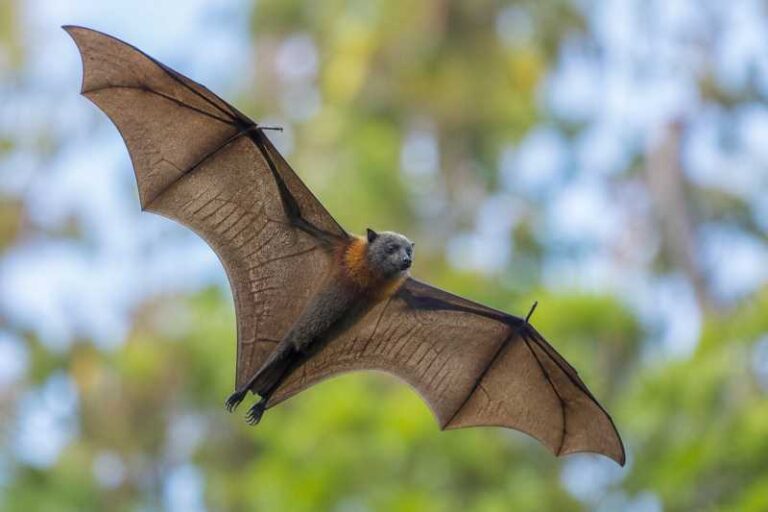
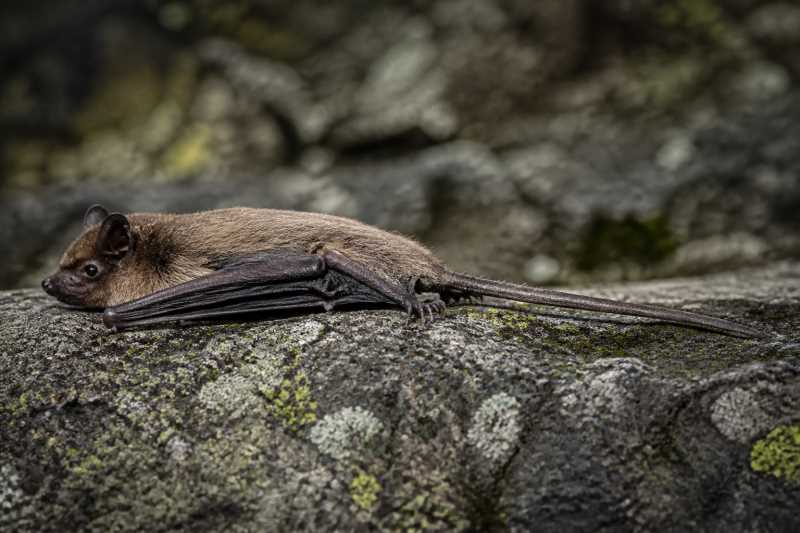
The Long-tailed Myotis is aptly named for its distinctively long tail, which extends beyond the tail membrane, a feature that sets it apart from other bat species. These bats are small, with a body length ranging from 40 to 50 mm and a wingspan of approximately 240 to 270 mm. Their fur is typically a dark brown or black, with a slightly lighter underbelly. The ears are relatively large, aiding in their acute sense of hearing, which is essential for echolocation.
The forearm length of the Long-tailed Myotis averages between 35 to 40 mm, and they possess sharp, curved claws that assist in clinging to surfaces or capturing prey. Their dental structure is adapted for an insectivorous diet, featuring sharp teeth that can easily puncture and consume insects.
Range and Habitat
The Long-tailed Myotis is primarily distributed across parts of Asia, with a range that includes regions in China, Japan, and parts of Russia. They are typically found in forested areas with access to water bodies, which provide abundant insect prey. These bats prefer roosting in tree hollows, caves, and even man-made structures like attics or barns.
The availability of suitable roosting sites and food sources heavily influences their habitat selection. Seasonal migrations are common in this species, as they move to more temperate regions during colder months to maintain their insectivorous diet.
Behavior and Diet
Long-tailed Myotis are nocturnal and highly active during the night. Their activity peaks shortly after sunset when they embark on foraging flights. They employ echolocation to navigate and locate prey, emitting high-frequency calls that bounce off objects and return as echoes, allowing them to pinpoint the exact location of their prey.
Their diet primarily consists of flying insects, such as moths, beetles, and mosquitoes. Long-tailed Myotis are agile fliers, capable of rapid maneuvers to capture prey mid-flight. During the day, they rest in their roosts, conserving energy for nighttime activity.
Identification Tips
Identifying the Long-tailed Myotis in the field can be challenging due to its nocturnal and elusive nature. However, several key features can aid recognition:
- Tail Length: The tail extends beyond the tail membrane, a distinctive trait.
- Echolocation Calls: Utilizing a bat detector can help identify their unique echolocation frequencies.
- Flight Pattern: Observing their agile and rapid flight can provide clues, as they often fly close to the ground or water surfaces.
- Roosting Habits: Look for them in tree hollows or attics during the day.
Conservation Status
The Long-tailed Myotis is currently classified as "Near Threatened" on the IUCN Red List. Primary threats to this species include habitat destruction due to deforestation and urbanization, which lead to the loss of roosting and foraging sites. Additionally, pesticide use reduces prey availability, indirectly impacting their survival.
Conservation efforts are focused on habitat preservation and restoration, creating protected areas, and raising awareness about the importance of bats in ecosystems. Legal protections are in place in several regions to safeguard their habitats and mitigate threats.
Frequently Asked Questions
What is the primary diet of the Long-tailed Myotis?
The Long-tailed Myotis primarily feeds on flying insects, including moths, beetles, and mosquitoes, which they catch mid-flight using their agile flying skills and echolocation.
How can you identify a Long-tailed Myotis in the wild?
Identifying a Long-tailed Myotis involves looking for its long tail that extends beyond the membrane, observing its agile flight patterns, and using bat detectors to pick up unique echolocation calls.
What are the major threats to Long-tailed Myotis?
Major threats include habitat destruction due to deforestation and urbanization, as well as reduced prey availability from pesticide use.
Are Long-tailed Myotis protected by law?
Yes, in several regions, legal protections are in place to conserve their habitats and mitigate threats, focusing on habitat preservation and restoration.
Where are Long-tailed Myotis commonly found?
They are commonly found in forested areas across parts of Asia, including China, Japan, and Russia, particularly near water bodies that offer abundant insect prey.
Related posts