Burmese Whiskered Myotis: A Comprehensive Guide
Introduction
The Burmese Whiskered Myotis, scientifically known as Myotis montivagus, is a fascinating species of bat that captivates researchers and wildlife enthusiasts alike. This intriguing mammal belongs to the family Vespertilionidae, commonly referred to as the evening bats or vesper bats. Known for its unique morphological features and ecological significance, the Burmese Whiskered Myotis plays a vital role in maintaining the balance within its ecosystem. Despite its importance, the species remains relatively understudied, prompting a need for increased awareness and conservation efforts.
Physical Description
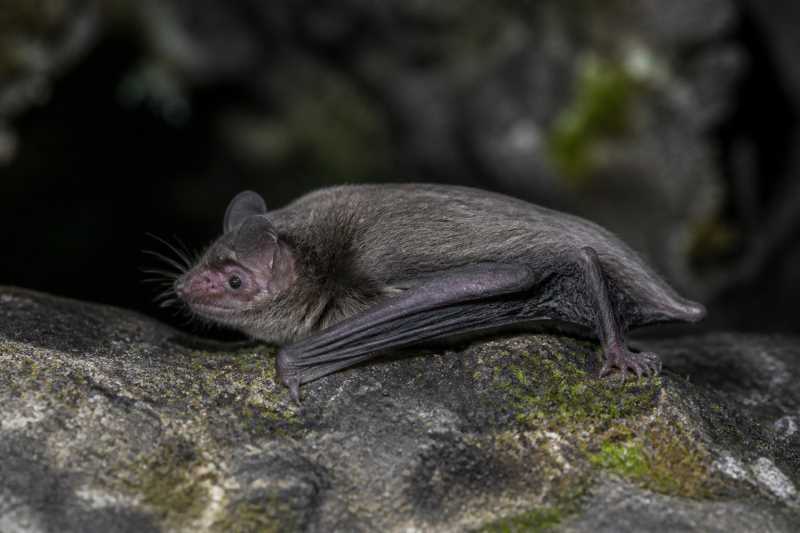
The Burmese Whiskered Myotis is a small to medium-sized bat with distinct physical characteristics that make it easily recognizable among its peers. Typically, this species exhibits a forearm length ranging between 35 to 45 millimeters and a wingspan that can extend up to 30 centimeters. One of its most striking features is its elongated whiskers, which are believed to aid in sensory perception and navigation.
The fur of the Burmese Whiskered Myotis is soft and dense, varying in color from dark brown to a more muted, grayish hue. The ventral side of the bat is usually lighter, providing a subtle contrast to its dorsal coloration. The ears of this species are relatively large and rounded, enhancing its echolocation abilities which are crucial for hunting and orientation in the dark. The tragus, an internal ear structure, is long and pointed, further aiding in sound reception.
Range and Habitat
The Burmese Whiskered Myotis is primarily distributed across Southeast Asia, with its range extending through countries such as Myanmar, Thailand, Laos, Vietnam, and parts of southern China. This species is typically found in a variety of habitats, including subtropical and tropical forests, montane regions, and occasionally in agricultural landscapes that provide suitable roosting sites.
These bats prefer roosting in cave systems, but they are also known to inhabit abandoned buildings, tree hollows, and even under bridges. The diversity in roosting preferences highlights the species’ adaptability to different environmental conditions. However, the proximity to water bodies is often a key factor, as these areas provide abundant feeding opportunities in the form of insects.
Behavior and Diet
The Burmese Whiskered Myotis is primarily nocturnal, emerging from its roosts at dusk to forage for food. Their diet consists mainly of insects, making them essential players in controlling insect populations and thus, indirectly benefiting agricultural activities. The foraging behavior of these bats is characterized by agile flight patterns as they maneuver through the forest canopy and open spaces in search of prey.
Echolocation is a critical aspect of their hunting strategy, allowing them to detect and capture insects with remarkable precision. The species emits ultrasonic calls that bounce off objects and return as echoes, providing detailed information about their surroundings.
Socially, the Burmese Whiskered Myotis can be found roosting in small colonies, which may vary in size depending on the availability of suitable habitat and resources. These colonies are often composed of related individuals, suggesting a level of social structure and cooperation among members.
Identification Tips (Field Recognition Cues)
Identifying the Burmese Whiskered Myotis in the field requires careful observation of several key features:
- Whiskers and Facial Structure: The presence of elongated whiskers and the distinct facial structure are primary indicators. Observers should look for the characteristic pointed tragus and rounded ears.
- Fur Coloration: The variation in fur coloration, from dark brown to grayish tones, should be noted, along with the lighter ventral side.
- Flight Patterns: Observing their flight patterns at dusk can also aid in identification. Their agile and erratic flight is typical of insectivorous bats.
- Echolocation Calls: For those equipped with bat detectors, the unique echolocation frequencies can help differentiate the Burmese Whiskered Myotis from other bat species.
Conservation Status (With Threats and Protections)
The conservation status of the Burmese Whiskered Myotis is currently listed as Least Concern by the International Union for Conservation of Nature (IUCN). However, this does not imply that the species is free from threats. Habitat destruction and fragmentation due to deforestation and agricultural expansion pose significant risks. Additionally, disturbance of roosting sites, particularly in caves and abandoned structures, can lead to population declines.
Conservation efforts for this species should focus on habitat preservation and restoration, as well as the protection of known roosting sites. Education and awareness programs can also play a crucial role in reducing human-induced pressures. Legal protection under national and international wildlife conservation laws can further bolster these efforts.
Frequently Asked Questions
1. What is the primary diet of the Burmese Whiskered Myotis?
The Burmese Whiskered Myotis primarily feeds on insects. They are insectivorous bats that play a crucial role in controlling pest populations, thereby benefiting agricultural practices and maintaining ecological balance.
2. Where can I typically find the Burmese Whiskered Myotis?
These bats are commonly found in Southeast Asia, particularly in Myanmar, Thailand, Laos, Vietnam, and southern China. They inhabit various environments, including tropical and subtropical forests, montane regions, and areas near water bodies.
3. How can I recognize the Burmese Whiskered Myotis in the wild?
Key identification features include their elongated whiskers, distinct facial structure, large rounded ears, and a pointed tragus. Observing their agile flight patterns at dusk and listening for their echolocation calls can also aid in identification.
4. What are the main threats to the Burmese Whiskered Myotis?
The main threats include habitat destruction due to deforestation and agricultural expansion, as well as disturbances to their roosting sites. Conservation efforts are necessary to mitigate these threats and ensure the species’ survival.
5. Are there any conservation measures in place for the Burmese Whiskered Myotis?
Yes, conservation measures include habitat preservation, protection of roosting sites, and legal protections under wildlife conservation laws. Education and awareness programs are also crucial for reducing human impacts.
Related posts