Introduction
The Elegant Myotis, scientifically known as Myotis elegans, is a fascinating species of bat that belongs to the family Vespertilionidae. Recognized for its graceful flight and distinctive appearance, this small mammal is part of a diverse group of bats that play crucial roles in their ecosystems, particularly in insect population control. Despite its importance, the Elegant Myotis remains relatively understudied, making it an intriguing subject for both researchers and wildlife enthusiasts. This article aims to shed light on various aspects of the Elegant Myotis, from its physical characteristics and habitat to its behavior, diet, and conservation status.
Physical Description
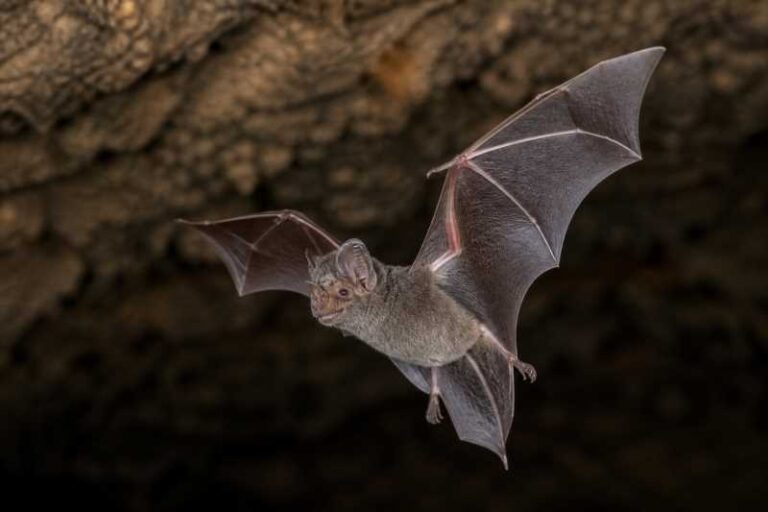
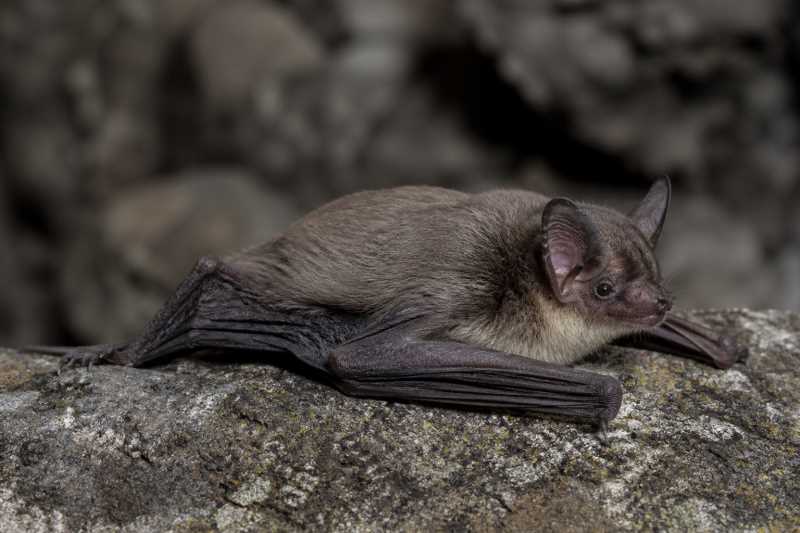
The Elegant Myotis is aptly named for its slender and sleek appearance. It typically measures between 7 to 9 cm in body length, with a wingspan ranging from 25 to 30 cm. Its weight varies from 4 to 8 grams, making it one of the lighter members of the Myotis genus. The fur of the Elegant Myotis is soft and lustrous, with a coloration that ranges from cinnamon brown to dark brown on the dorsal side, and a lighter, sometimes buff-colored ventral side. This coloration not only aids in camouflage within its natural habitat but also adds to its elegant moniker.
The face of the Elegant Myotis is characterized by a relatively short muzzle and large, rounded ears that are typical of the Myotis genus. These ears are equipped with a well-developed tragus, an anatomical feature that assists in echolocation. The wings are long and narrow, optimized for agile flight and rapid maneuvering, which are essential for catching prey mid-air.
Range and Habitat
The Elegant Myotis is primarily found in the Americas, with its range extending from the southern United States through Central America and into some parts of South America. This species favors a variety of habitats, including deciduous and evergreen forests, as well as areas near water bodies such as rivers and lakes, which provide abundant feeding opportunities.
Due to its adaptability, the Elegant Myotis can also be found in agricultural areas and urban settings, where it roosts in buildings, caves, and hollow trees. These diverse habitats not only support their foraging habits but also offer the necessary shelter and microclimates for roosting and breeding.
Behavior and Diet
The Elegant Myotis is a nocturnal creature, spending its daytime hours in roosts and emerging at dusk to forage. Its diet primarily consists of insects, making it an insectivorous bat. It plays a vital role in controlling insect populations, thereby contributing to the balance of ecosystems and aiding in pest management for agriculture.
This species uses echolocation to navigate and locate prey, emitting ultrasonic sounds that bounce off objects and return as echoes. These echoes provide the bat with detailed information about its surroundings, including the size, distance, and movement of prey. The Elegant Myotis often hunts near water bodies, where insects are plentiful, employing swift and agile flight patterns to catch its prey in mid-air.
During the breeding season, which typically occurs in spring, female Elegant Myotis gather in maternity colonies to give birth and rear their young. These colonies can vary in size, providing communal warmth and protection for the developing pups.
Identification Tips (field recognition cues)
Identifying the Elegant Myotis in the field can be challenging due to its similarity to other Myotis species. However, there are several distinguishing features that can aid in its recognition:
- Fur Coloration: Look for the distinct cinnamon brown to dark brown coloration on the dorsal side with a lighter underside.
- Ear Shape and Size: The large, rounded ears with a prominent tragus are characteristic of this species.
- Size and Weight: The Elegant Myotis is smaller and lighter than many other bats, with a weight between 4 to 8 grams.
- Flight Pattern: Observe their agile and rapid flight, often near water bodies, which is indicative of their hunting behavior.
Conservation Status (with threats and protections)
As of the latest assessments, the Elegant Myotis is not currently listed as a threatened species on the IUCN Red List. However, like many bat species, it faces several threats that could impact its populations in the future. Habitat destruction and fragmentation due to urbanization and agriculture expansion pose significant risks. Additionally, the use of pesticides can reduce insect populations, indirectly affecting the food supply of insectivorous bats like the Elegant Myotis.
Conservation efforts for the Elegant Myotis focus on habitat preservation and management, as well as public education to reduce human disturbance in roosting areas. The protection of natural habitats and the implementation of bat-friendly practices in agriculture are crucial for the long-term survival of this species.
Frequently Asked Questions
1. What do Elegant Myotis bats eat?
Elegant Myotis bats primarily feed on insects. They use echolocation to locate and capture prey, often hunting near water bodies where insects are abundant. Their diet plays a crucial role in controlling insect populations, benefiting both natural ecosystems and agricultural areas.
2. Where are Elegant Myotis bats found?
These bats are found across the Americas, from the southern United States through Central America to parts of South America. They inhabit a variety of environments, including forests, agricultural areas, and urban settings, often roosting in caves, buildings, and hollow trees.
3. How can you identify an Elegant Myotis in the wild?
Look for their distinct dark brown to cinnamon fur with a lighter underside, large rounded ears, and agile flight patterns. These bats are smaller and lighter than many other species, weighing between 4 to 8 grams.
4. Are Elegant Myotis bats endangered?
Currently, the Elegant Myotis is not classified as endangered. However, they face threats from habitat destruction and pesticide use, which could impact their populations. Conservation efforts focus on habitat protection and sustainable practices to ensure their survival.
5. How do Elegant Myotis bats contribute to the ecosystem?
Elegant Myotis bats play a vital role in ecosystems by controlling insect populations. This not only helps maintain ecological balance but also benefits agriculture by reducing pest numbers. Their presence is an indicator of a healthy environment.
Related posts