Introduction
The Shuipu Tube-nosed Bat, scientifically known as Murina shuipuensis, is a fascinating species of mammal that has piqued the interest of bat enthusiasts and researchers alike. This elusive species, part of the Vespertilionidae family, is distinguished by its unique morphology and behaviors, contributing significantly to biodiversity within its native ecosystems. Despite its growing recognition, much about the Shuipu Tube-nosed Bat remains to be explored, making it an exciting subject for scientific study and conservation efforts.
Physical Description
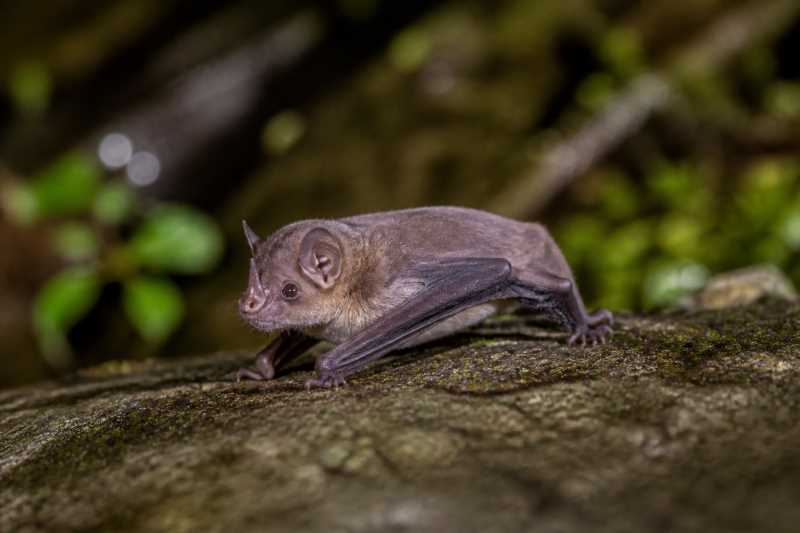
The Shuipu Tube-nosed Bat is a small, delicate bat species characterized by its distinctive tube-shaped nostrils, which are believed to aid in its echolocation capabilities. These bats typically possess a soft, dense fur that is primarily greyish-brown, with a lighter underbelly, aiding in camouflage within their forested habitats. Adult Shuipu Tube-nosed Bats have a body length ranging from 4 to 6 centimeters, with a wingspan of approximately 20 to 25 centimeters, making them one of the more diminutive members of the Murina genus. Their ears are relatively large and rounded, providing excellent auditory sensitivity, while their wings are adapted for agile maneuvering through dense foliage.
Range and Habitat
The Shuipu Tube-nosed Bat is primarily found in the subtropical and tropical forests of Southeast Asia. Its range includes regions in China, where it was first identified and described. These bats favor moist, evergreen forests and are often associated with areas that have abundant water sources, such as rivers and streams. The lush environments provide ample foraging opportunities and suitable roosting sites in the form of hollow trees and dense foliage. The specific microhabitats within these forests are crucial for their survival, offering protection from predators and environmental extremes.
Behavior and Diet
Shuipu Tube-nosed Bats are nocturnal creatures, emerging at dusk to embark on their nightly foraging activities. They are insectivorous, with a diet primarily composed of small insects, such as moths, beetles, and flies. Their echolocation skills are finely tuned, allowing them to detect and capture prey with remarkable precision. These bats are known for their agile flight patterns, adept at navigating through complex forest environments. Socially, they are generally solitary or found in small groups, roosting during the day in secluded locations. Their reproductive behaviors are not well-documented, but like many bat species, they are believed to have a seasonal breeding cycle.
Identification Tips
Identifying the Shuipu Tube-nosed Bat in the field requires attention to a few notable characteristics:
- Nose Structure: The distinctive tube-shaped nostrils are a primary feature that sets them apart from other bat species.
- Size and Fur: Look for a small bat with soft, dense fur that is greyish-brown on top and lighter underneath.
- Ears and Wings: Their large, rounded ears and relatively wide wings are suited for their specific environmental niche.
- Flight Patterns: Observe their flight, which is typically quick and agile, often low to the ground or through dense vegetation.
Conservation Status
The conservation status of the Shuipu Tube-nosed Bat is currently not well-defined due to limited research and data. However, like many bat species, they face several threats that could impact their populations. Habitat destruction, primarily due to deforestation and land conversion for agriculture, poses a significant risk. Additionally, climate change and its impact on forest ecosystems may further threaten their habitats. Conservation efforts are essential to protect this species, which may involve habitat preservation and environmental education programs to raise awareness about the importance of bats in ecosystems. Legal protections, monitoring populations, and engaging local communities in conservation activities are vital steps towards ensuring their survival.
Frequently Asked Questions
1. What is the Shuipu Tube-nosed Bat’s primary diet?
The Shuipu Tube-nosed Bat primarily feeds on insects, including moths, beetles, and flies, which it captures using echolocation.
2. Where is the Shuipu Tube-nosed Bat typically found?
This bat species is found in subtropical and tropical forests of Southeast Asia, particularly in regions of China with abundant water sources and dense vegetation.
3. How can you identify a Shuipu Tube-nosed Bat?
Key identification features include its tube-shaped nostrils, small size, soft greyish-brown fur, large rounded ears, and agile flight patterns.
4. What threats do Shuipu Tube-nosed Bats face?
The primary threats include habitat destruction due to deforestation, land conversion for agriculture, and climate change impacts on their ecosystems.
5. Are there conservation efforts in place for the Shuipu Tube-nosed Bat?
Conservation efforts focus on habitat preservation, legal protections, and raising awareness about the ecological importance of bats to ensure their survival.
Related posts