Introduction
The Dwarf Free-tailed Bat, scientifically known as Mops nanulus, is a fascinating species within the Molossidae family. Known for its diminutive size and remarkable agility, this bat species inhabits various regions across Africa. Despite its small stature, the Dwarf Free-tailed Bat plays a crucial role in its ecosystem, particularly in insect population control. This article delves into the intricate details of this tiny mammal, covering its physical characteristics, habitat, behavior, and conservation status to provide a comprehensive understanding of its ecological significance.
Physical Description
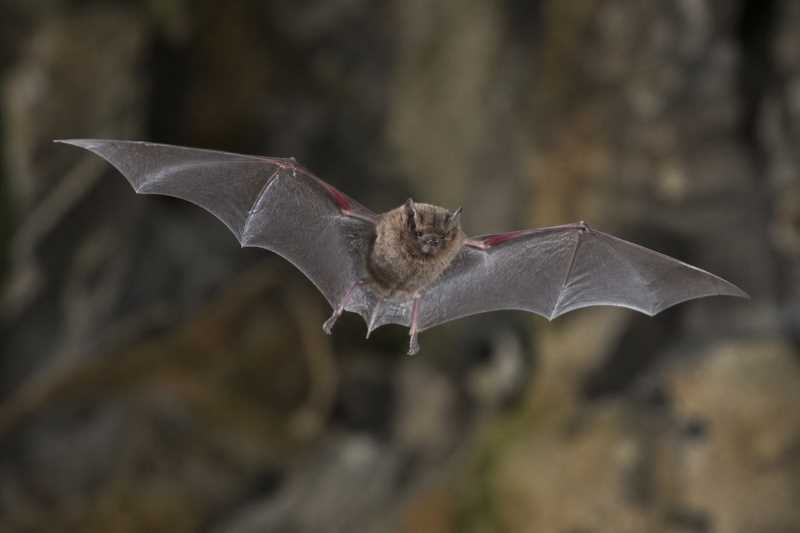
Mops nanulus is aptly named for its small size, with an average wingspan of approximately 20 to 22 centimeters and weighing between 5 to 7 grams. This bat is distinguished by its short, free tail that extends beyond the uropatagium, a characteristic feature of the Molossidae family. Its fur is typically a dark brown to black color, which provides excellent camouflage against the nighttime sky.
The bat’s ears are large and rounded, aiding in its exceptional echolocation ability. The Dwarf Free-tailed Bat’s muzzle is blunt, with a slightly upturned nose, giving it a unique facial structure. Its wings are long and narrow, optimized for swift and agile flight, which is essential for its insectivorous diet.
Range and Habitat
The range of the Dwarf Free-tailed Bat extends across several African countries, including Nigeria, Ghana, and Cameroon. It is typically found in tropical and subtropical regions, where it prefers habitats such as savannas, forests, and even urban areas.
This species is adaptable to various environmental conditions but tends to favor warm climates that support an abundance of insect prey. Roosting sites are often located in tree hollows, crevices in rocks, and occasionally in buildings, providing the bat with shelter and protection from predators.
Behavior and Diet
The Dwarf Free-tailed Bat is primarily nocturnal, emerging at dusk to forage for food. Its diet consists mainly of small insects, which it catches in flight using its highly developed echolocation abilities. This bat plays a vital role in controlling insect populations, thus benefiting agricultural areas by reducing the need for chemical pesticides.
Socially, these bats are known to form small colonies, which facilitate social interactions and mating. Communication within the species is achieved through a series of high-frequency calls, which are also used for navigation and hunting.
Identification Tips (Field Recognition Cues)
Identifying the Dwarf Free-tailed Bat in the field requires attention to several key characteristics:
- Size and Shape: Look for a small bat with a wingspan of 20-22 cm and a distinctive free tail.
- Coloration: Observe the dark brown to black fur, which blends well with the night sky.
- Ears and Muzzle: Note the large, rounded ears and the blunt, upturned nose.
- Flight Pattern: Watch for rapid, agile flight patterns during dusk and nighttime hours.
- Roosting Behavior: Check common roosting sites such as tree hollows and building crevices.
Conservation Status (with Threats and Protections)
The Dwarf Free-tailed Bat is currently classified as a species of Least Concern by the International Union for Conservation of Nature (IUCN). However, it faces several threats that could impact its population in the future. The primary threats include habitat destruction due to deforestation, agricultural expansion, and urban development.
Conservation efforts focus on habitat preservation and the establishment of protected areas to ensure the survival of this species. Educating local communities about the ecological benefits of bats can also help mitigate some of the threats they face.
Frequently Asked Questions
1. What is the primary diet of the Dwarf Free-tailed Bat?
The Dwarf Free-tailed Bat primarily feeds on small insects, which it catches in flight using echolocation. This diet helps control insect populations, benefiting agricultural areas.
2. Where can the Dwarf Free-tailed Bat be found?
This bat species is found across several African countries, including Nigeria, Ghana, and Cameroon, in habitats such as savannas, forests, and urban areas.
3. How does the Dwarf Free-tailed Bat contribute to its ecosystem?
By preying on insects, the Dwarf Free-tailed Bat plays a crucial role in maintaining insect population balance, reducing the need for chemical pesticides, and supporting agricultural health.
4. What are the main threats to the Dwarf Free-tailed Bat?
Habitat destruction due to deforestation, agricultural expansion, and urban development are the main threats to this species, emphasizing the need for conservation efforts.
5. How do Dwarf Free-tailed Bats communicate?
These bats communicate through high-frequency calls used for navigation, social interaction, and hunting, facilitated by their large, rounded ears.
Related posts