Introduction
Telford’s White-toothed Shrew, scientifically known as Crocidura telfordi, is a fascinating small mammal belonging to the family Soricidae. This elusive species is known for its distinct characteristics and plays a vital role in its native ecosystem. Despite its importance, the Telford’s White-toothed Shrew remains largely understudied, contributing to a lack of awareness regarding its conservation needs.
In this comprehensive guide, we will delve into the various aspects of Telford’s White-toothed Shrew, from its physical description to its behavior, range, and habitat. Additionally, we will discuss its conservation status, offering insights into the threats it faces and the measures in place to protect this unique species. Whether you are a wildlife enthusiast or a conservationist, this article will provide a thorough understanding of Telford’s White-toothed Shrew.
Physical Description
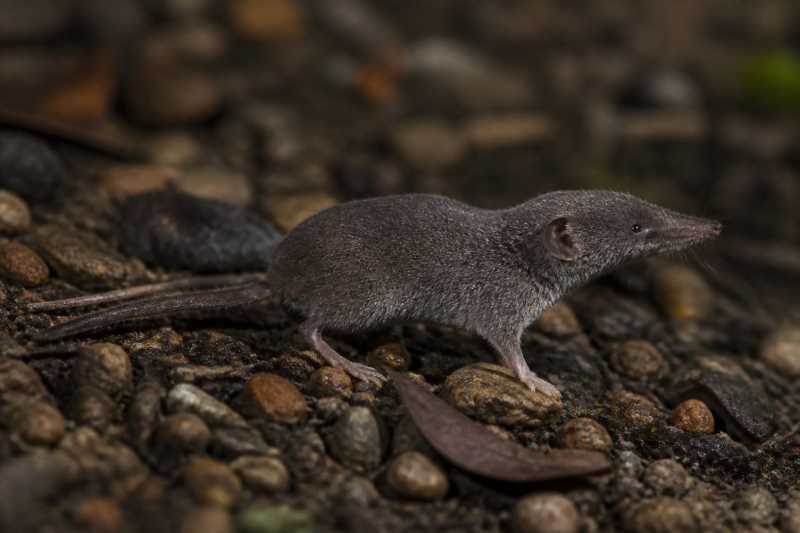
Telford’s White-toothed Shrew is a small mammal with a body length ranging from 60 to 80 millimeters, excluding its tail, which adds an additional 40 to 50 millimeters. The shrew’s weight typically falls between 5 to 10 grams, making it one of the smaller members of the Soricidae family.
The fur of Crocidura telfordi is soft and dense, predominantly grayish-brown on the dorsal side and lighter on the ventral side. The shrew’s nose is elongated and pointed, a characteristic feature that aids in its foraging activities. Its eyes are small and beady, adapted more for detecting movement than for acute vision. The ears are rounded and small, often concealed within the fur.
The most distinctive feature of Telford’s White-toothed Shrew is its dentition. Unlike many other shrews, it possesses white teeth, an adaptation that distinguishes it from its red-toothed relatives. This feature not only aids in identification but also reflects differences in dietary preferences and habitat use.
Range and Habitat
Telford’s White-toothed Shrew is endemic to specific regions, with its presence confirmed in various parts of East Africa. The species thrives in a range of habitats, from moist montane forests to savannahs and even human-altered landscapes, provided there is sufficient ground cover and food supply.
The shrew’s habitat selection is closely linked to its dietary needs and reproductive habits. It prefers environments that offer ample insect prey and soft soil for burrowing. Seasonal variations in rainfall and temperature can influence its habitat preferences, with shrews often migrating short distances to find optimal living conditions.
Behavior and Diet
Crocidura telfordi exhibits a range of behaviors typical of shrews, including high levels of activity and a voracious appetite. It is primarily insectivorous, feeding on a diet composed of insects, spiders, and other small invertebrates. The shrew uses its keen sense of smell and sensitive whiskers to detect prey beneath leaf litter or within the soil.
Telford’s White-toothed Shrew is primarily nocturnal, although it can also be active during the day, especially during cooler weather. It is a solitary animal, with individuals coming together only for breeding purposes. The shrew communicates using a series of high-pitched squeaks and relies on both vocal and chemical signals to establish territory and identify mates.
Identification Tips (Field Recognition Cues)
Identifying Telford’s White-toothed Shrew in the field requires careful observation due to its small size and elusive nature. Here are some tips to aid in its identification:
- Size and Shape: Look for a small, mouse-sized mammal with a long, slender snout and a cylindrical body.
- Fur Texture and Color: Note the dense, grayish-brown fur on the dorsal side and lighter underparts.
- Teeth: Although challenging to observe in the field, the presence of white teeth is a key distinguishing feature.
- Activity Patterns: Observe the animal’s behavior; Telford’s White-toothed Shrew is more active at night and exhibits rapid, darting movements.
- Habitat: Focus on areas with dense ground cover and abundant insect life, as these are preferred habitats for the shrew.
Conservation Status (with threats and protections)
Telford’s White-toothed Shrew is currently classified as ‘Data Deficient’ by the International Union for Conservation of Nature (IUCN), highlighting the need for further research to understand its population dynamics and threats.
The primary threats to this species include habitat destruction due to agricultural expansion and deforestation. Additionally, climate change poses a long-term threat by altering the shrew’s habitat and food availability. Predation by domestic animals, such as cats, further exacerbates the challenges faced by the shrew.
Conservation efforts for Telford’s White-toothed Shrew are hindered by the lack of specific data. However, general measures such as habitat restoration and the establishment of protected areas contribute to safeguarding its environment. Raising public awareness and conducting targeted research are crucial steps toward securing the future of this species.
Frequently Asked Questions
What is the primary diet of Telford’s White-toothed Shrew?
Telford’s White-toothed Shrew primarily feeds on insects and other small invertebrates. Its diet includes beetles, spiders, and caterpillars, which it hunts using its keen sense of smell.
How can I identify Telford’s White-toothed Shrew in the wild?
Identifying Telford’s White-toothed Shrew involves observing its small size, long snout, and white teeth. It is often found in habitats with dense ground cover and is most active at night.
What threats does Telford’s White-toothed Shrew face?
The main threats to Telford’s White-toothed Shrew include habitat destruction due to agriculture, climate change, and predation by domestic animals. Conservation efforts focus on habitat protection and further research.
Where is Telford’s White-toothed Shrew found?
Telford’s White-toothed Shrew is found in various parts of East Africa, inhabiting moist montane forests, savannahs, and areas with sufficient ground cover and food supply.
Is Telford’s White-toothed Shrew endangered?
The conservation status of Telford’s White-toothed Shrew is currently ‘Data Deficient.’ More research is needed to determine its population trends and threats to assess its risk level accurately.
Related posts