Introduction
The Common Dwarf Bonneted Bat, scientifically known as Eumops bonariensis, is a fascinating species belonging to the Molossidae family, commonly referred to as the free-tailed bats. These bats hold a significant ecological role as insectivores, contributing to the balance of ecosystems by controlling insect populations. Found primarily in the Americas, these bats are a subject of interest for researchers and wildlife enthusiasts due to their unique behaviors and adaptability to diverse environments.
Physical Description
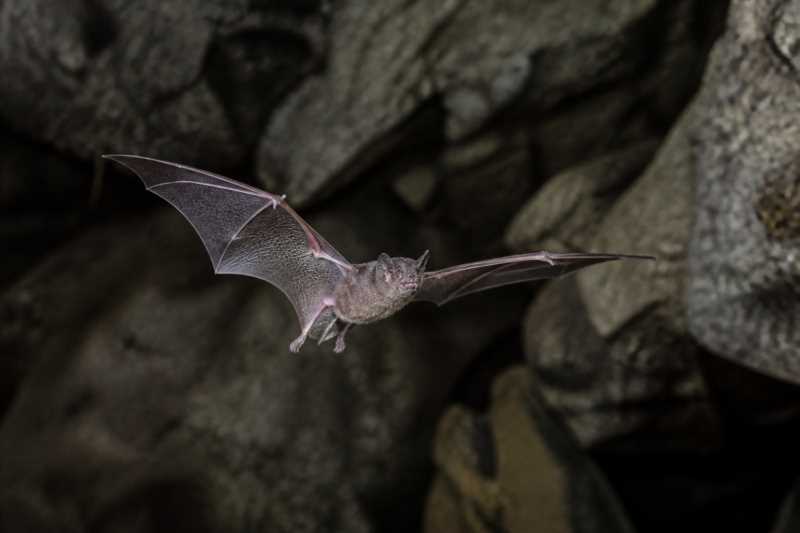
The Common Dwarf Bonneted Bat is aptly named for its small size, with an average body length ranging from 6 to 9 centimeters and a wingspan that can extend approximately 30 to 35 centimeters. Weighing between 7 to 12 grams, these bats are characterized by their elongated, narrow wings which facilitate rapid, agile flight. Their fur is typically dark brown to black, providing effective camouflage against predators during nocturnal activities.
This species exhibits the distinctive "bonnet" or ridge over the forehead, a feature common among bats in the Eumops genus. The ears are large and rounded, often extending beyond the nose when laid back. Unlike other bat species, the tail of the Common Dwarf Bonneted Bat protrudes well beyond the tail membrane, contributing to its family name, "free-tailed."
Range and Habitat
The Common Dwarf Bonneted Bat is distributed across a wide range, from the southern United States through Central America and into South America as far as Argentina. This broad geographical distribution underscores their adaptability to various climates and habitats.
Preferred habitats include tropical and subtropical forests, savannas, and shrublands, where they can find abundant food resources. These bats are also known to adapt to urban environments, often roosting in buildings, under bridges, and in other man-made structures. Their ability to thrive in diverse habitats is a testament to their ecological versatility.
Behavior and Diet
Common Dwarf Bonneted Bats are nocturnal creatures, emerging at dusk to embark on foraging flights. They exhibit a highly social behavior, often forming colonies that can range from a few individuals to several hundred. These colonies roost in dark, secluded areas during the day to avoid predators and conserve energy.
Their diet primarily consists of insects, with a particular preference for moths, beetles, and flies. Equipped with sharp teeth, these bats are adept hunters, using echolocation to locate and capture prey in flight. The sophisticated echolocation calls, emitted through their nose, allow them to navigate and hunt efficiently in complete darkness.
Identification Tips
For those interested in identifying the Common Dwarf Bonneted Bat in the field, there are several key characteristics to observe:
- Size and Shape: Look for a small bat with a body length of approximately 6 to 9 cm and a wingspan of about 30 to 35 cm.
- Tail Feature: Note the distinctive free-tail, which extends beyond the tail membrane.
- Ear Structure: Large, round ears that extend beyond the nose when folded back are characteristic of this species.
- Fur Color: Dark brown to black fur is typical, aiding in camouflage.
- Roosting Sites: Observe potential roosting sites such as buildings and bridges where these bats might be found during daylight hours.
Conservation Status
The Common Dwarf Bonneted Bat is currently listed as "Least Concern" on the IUCN Red List. This classification indicates that the species, while facing certain threats, is not at immediate risk of extinction across its range. However, ongoing habitat destruction due to deforestation and urbanization poses significant challenges.
Pollution and pesticide use also represent threats, as they can reduce insect populations, thereby impacting food availability. Conservation efforts focus on habitat preservation and the establishment of protected areas. Ensuring the survival of this species requires collaboration between conservationists, local communities, and governments to implement sustainable land-use practices.
Frequently Asked Questions
1. What is the primary diet of the Common Dwarf Bonneted Bat? The Common Dwarf Bonneted Bat primarily feeds on insects, preferring moths, beetles, and flies. Their diet supports ecological balance by controlling insect populations.
2. Where can Common Dwarf Bonneted Bats be found? These bats are found from the southern United States to South America, inhabiting tropical and subtropical forests, savannas, and urban areas.
3. What threats do Common Dwarf Bonneted Bats face? Major threats include habitat destruction due to deforestation and urbanization, pollution, and pesticide use, which impact their food sources.
4. How do Common Dwarf Bonneted Bats navigate and hunt? They use echolocation to navigate and hunt, emitting calls through their nose to locate and capture prey in the dark.
5. Are Common Dwarf Bonneted Bats endangered? Currently, they are classified as "Least Concern" but face potential threats from habitat loss and environmental changes.
Related posts