Le Sueur’s Wing-gland Bat (Cistugo lesueuri): A Comprehensive Guide
Introduction
Le Sueur’s Wing-gland Bat, scientifically known as Cistugo lesueuri, is a fascinating and enigmatic species of bat native to the southern regions of Africa. Despite its elusive nature, this bat plays a crucial role in its ecosystem, primarily through insect control. Understanding this species is vital for conservation efforts, as well as for appreciating the rich biodiversity of the region.
Physical Description
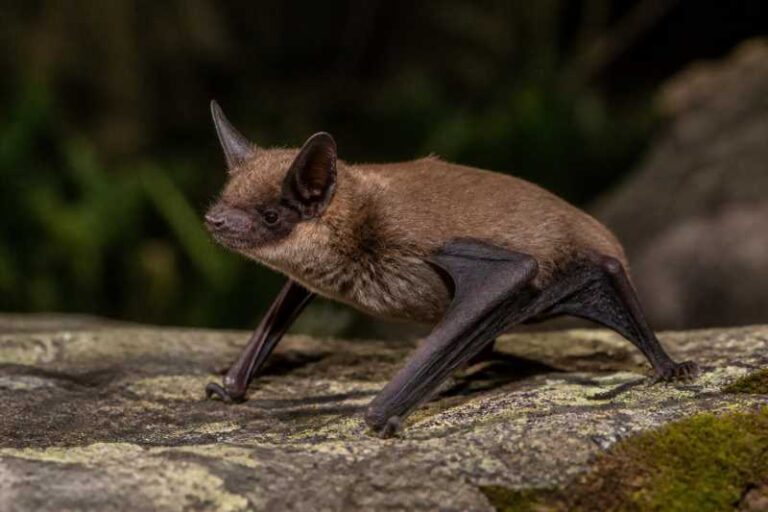
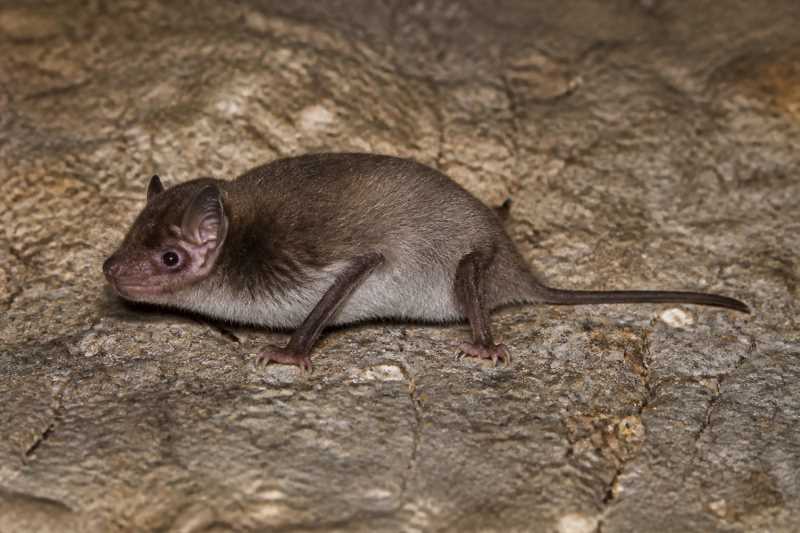
Le Sueur’s Wing-gland Bat is characterized by its small size and distinctive physical features. Adults typically weigh between 5 to 9 grams and have a wingspan of approximately 20 to 25 centimeters. Their fur is generally grayish-brown, providing excellent camouflage against the bark of trees and rocks.
One of the most distinctive features of this bat is its wing gland. Located on the wing membrane near the elbow, this gland is unique to the genus Cistugo and is thought to play a role in communication or mate attraction, although its exact function remains a subject of study.
The bat’s ears are moderately large and rounded, providing acute hearing essential for echolocation. Their eyes are small, typical of many bat species, and adapted for low-light conditions.
Range and Habitat
Le Sueur’s Wing-gland Bat is predominantly found in the southern parts of Africa, including South Africa, Namibia, and Botswana. This species prefers arid and semi-arid environments, often roosting in crevices, caves, and occasionally in man-made structures.
These bats are highly adaptable and can be found in a range of habitats from savannas to rocky outcrops. They tend to stay close to water sources, which provide an abundant supply of insects, their primary food source.
Behavior and Diet
Le Sueur’s Wing-gland Bat is nocturnal, emerging at dusk to forage for food. They are insectivorous, with a diet consisting mainly of moths, beetles, and other small flying insects. Their feeding habits are critical for controlling insect populations, making them essential for maintaining ecological balance.
These bats use echolocation to navigate and hunt. They emit high-frequency sounds that bounce off objects, allowing them to detect prey even in complete darkness.
Socially, Le Sueur’s Wing-gland Bats are known to roost alone or in small groups. During the breeding season, which occurs in the warmer months, males and females come together, and females give birth to a single pup after a gestation period of approximately 60 days.
Identification Tips (Field Recognition Cues)
Recognizing Le Sueur’s Wing-gland Bat in the field requires keen observation. Key identification cues include:
- Size and Coloration: Look for a small bat with grayish-brown fur.
- Wing Gland: A unique identifier, the wing gland near the elbow, is visible upon close inspection.
- Behavior: Observe their flight patterns at dusk; they exhibit agile, erratic movements typical of insectivorous bats.
- Echolocation Calls: Their calls can be detected using a bat detector tuned to high frequencies.
Conservation Status (with threats and protections)
The conservation status of Le Sueur’s Wing-gland Bat is currently listed as Least Concern by the International Union for Conservation of Nature (IUCN). However, like many bat species, they face several threats that could impact their populations in the future.
Threats
- Habitat Destruction: Agricultural expansion and urban development are leading to the loss of roosting sites.
- Pesticides: The use of pesticides reduces insect populations, which are crucial for their diet.
- Climate Change: Alterations in climate patterns can affect their habitat and food availability.
Protections
Conservation efforts include habitat preservation and promoting awareness about the ecological importance of bats. Protected areas and national parks in southern Africa play a crucial role in safeguarding their habitats. Additionally, research initiatives help in understanding their ecological needs and threats.
Frequently Asked Questions
- What is the primary diet of Le Sueur’s Wing-gland Bat?
Le Sueur’s Wing-gland Bat primarily feeds on insects, including moths and beetles, which it catches using echolocation.
- Where can I find Le Sueur’s Wing-gland Bat?
This bat species is found in southern Africa, particularly in South Africa, Namibia, and Botswana, often in arid and semi-arid regions.
- How does Le Sueur’s Wing-gland Bat use its wing gland?
The wing gland is unique to this species and may play a role in communication or mate attraction, although its exact function is not fully understood.
- What threats do Le Sueur’s Wing-gland Bats face?
Key threats include habitat destruction, pesticide use, and climate change, all of which can impact their populations and habitats.
- How can we help conserve Le Sueur’s Wing-gland Bat?
Conservation efforts include protecting habitats, reducing pesticide use, and supporting research and educational programs about the ecological importance of bats.
Related posts