Introduction
Gervais’s Fruit-eating Bat, scientifically known as Dermanura cinerea, is a fascinating species belonging to the family Phyllostomidae. These bats are an integral part of the ecosystem, playing a crucial role in pollination and seed dispersion. Known for their fruit-centered diet, they have captured the interest of researchers and wildlife enthusiasts alike. This article explores various aspects of Gervais’s Fruit-eating Bat, including their physical traits, habitat preferences, behavioral tendencies, and conservation status.
Physical Description
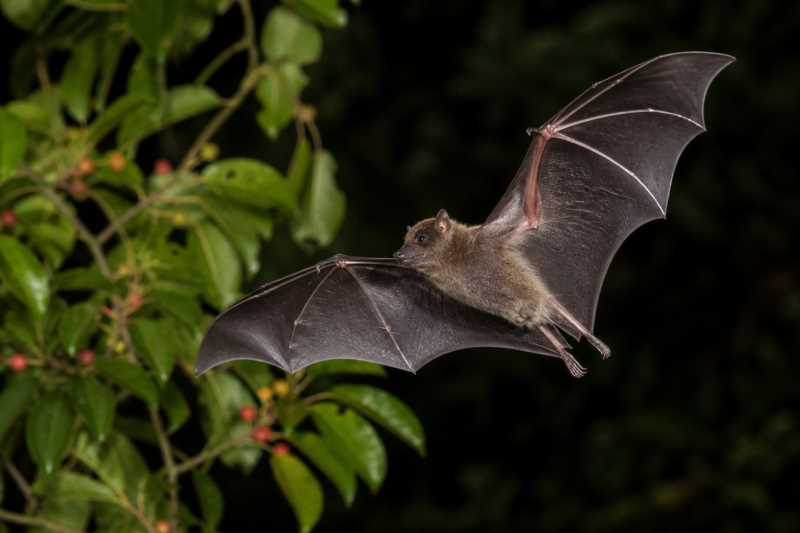
Gervais’s Fruit-eating Bat is relatively small, with adults typically weighing between 10 to 20 grams. Their forearm length ranges from 34 to 38 millimeters, making them one of the smaller bats within their genus. They possess a distinctive nose leaf, which is a characteristic feature of the Phyllostomidae family. The nose leaf is thought to aid in their sophisticated echolocation abilities.
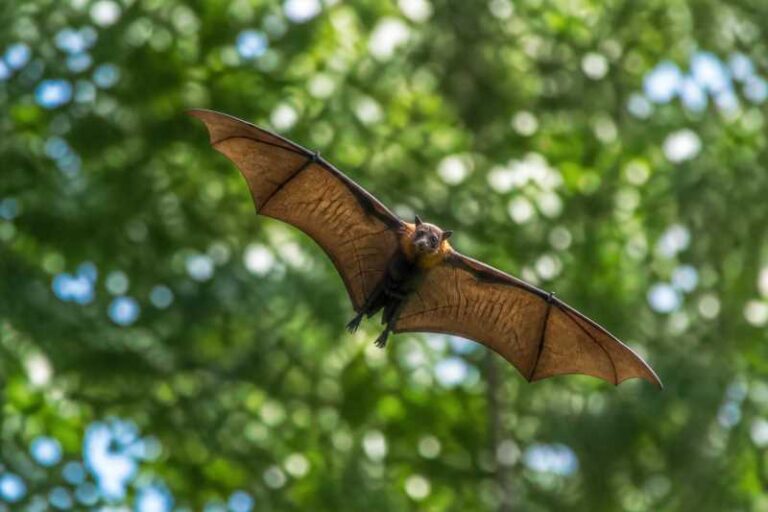
The fur of Dermanura cinerea is soft and ranges in color from grayish-brown to olive, with a lighter underbelly. Their wings, which are relatively broad, allow for agile flight, essential for navigating dense foliage in search of food. Another distinguishing feature is their large eyes, which provide excellent night vision, a crucial adaptation for nocturnal living.
Range and Habitat
Gervais’s Fruit-eating Bat is predominantly found in Central and South America. Their range extends from southern Mexico through Central America to parts of northern South America, including countries like Colombia, Venezuela, and Ecuador. They thrive in tropical and subtropical environments, favoring lowland forests, both primary and secondary.
These bats are highly adaptable and can also be found in disturbed habitats such as plantations and gardens. However, they prefer areas with abundant fruiting trees, which provide a reliable food source. Their ability to live in various forest types highlights their ecological versatility.
Behavior and Diet
As their name suggests, Gervais’s Fruit-eating Bats primarily consume fruit. They are frugivorous, with a particular preference for figs and other soft fruits. Occasionally, they may supplement their diet with nectar and pollen, contributing to their role as pollinators.
These bats are nocturnal, foraging for food during the night and resting during the day. They roost in small groups, often in tree hollows, caves, or under large leaves. Social by nature, they communicate through a series of vocalizations and are known for their complex social structures.
Identification Tips (field recognition cues)
Identifying Gervais’s Fruit-eating Bat in the field involves observing several key features:
- Size and Shape: Look for a small bat with a forearm length of 34-38 mm and a body weight between 10-20 grams.
- Nose Leaf: The distinctive nose leaf is a prominent feature, aiding in echolocation.
- Fur Color: Observe the grayish-brown to olive fur with a lighter underbelly.
- Wing Structure: Broad wings that facilitate agile flight in dense foliage.
- Behavior: Nocturnal habits and a preference for fruiting trees can help identify them.
Conservation Status (with threats and protections)
The International Union for Conservation of Nature (IUCN) currently lists Gervais’s Fruit-eating Bat as Least Concern. Despite this classification, they face several threats that could impact their populations in the future.
Threats:
- Habitat Loss: Deforestation and land conversion for agriculture pose significant threats to their natural habitat.
- Climate Change: Alterations in climate patterns can affect fruit availability, impacting their food sources.
- Human Disturbance: Increased human activity and urbanization can lead to habitat fragmentation.
Protections:
- Protected Areas: Many populations reside within national parks and protected reserves.
- Conservation Initiatives: Organizations are working to preserve habitats and promote sustainable agricultural practices.
Frequently Asked Questions
- What do Gervais’s Fruit-eating Bats eat?
Gervais’s Fruit-eating Bats primarily consume fruit, with a preference for figs and other soft fruits. They may also feed on nectar and pollen.
- Where can Gervais’s Fruit-eating Bats be found?
These bats are found in Central and South America, from southern Mexico to parts of northern South America, including Colombia, Venezuela, and Ecuador.
- How do Gervais’s Fruit-eating Bats contribute to the ecosystem?
They play a crucial role in pollination and seed dispersion, aiding in the regeneration of forests and maintaining ecological balance.
- Are Gervais’s Fruit-eating Bats endangered?
They are currently listed as Least Concern by the IUCN, but face threats such as habitat loss and climate change.
- How can we help conserve Gervais’s Fruit-eating Bats?
Supporting conservation efforts, protecting habitats, and promoting sustainable land use can help conserve these bats.
Related posts