Introduction
The Little Big-eyed Bat, scientifically known as Chiroderma trinitatum, is a fascinating mammal species belonging to the family Phyllostomidae. This species is part of the New World leaf-nosed bats, a diverse group known for their unique facial structures and dietary habits. The Little Big-eyed Bat is particularly notable for its distinctive appearance and ecological role within its habitat. Found primarily in the Neotropics, this bat species has captured the interest of researchers and conservationists alike, as it plays a vital role in seed dispersal and the pollination of various plant species.
Despite its small size, the Little Big-eyed Bat has a significant impact on its ecosystem. Its nocturnal habits and specialized diet make it an essential component of the ecological web. In this comprehensive article, we will explore the various aspects of this intriguing species, including its physical description, habitat, behavior, and conservation status.
Physical Description
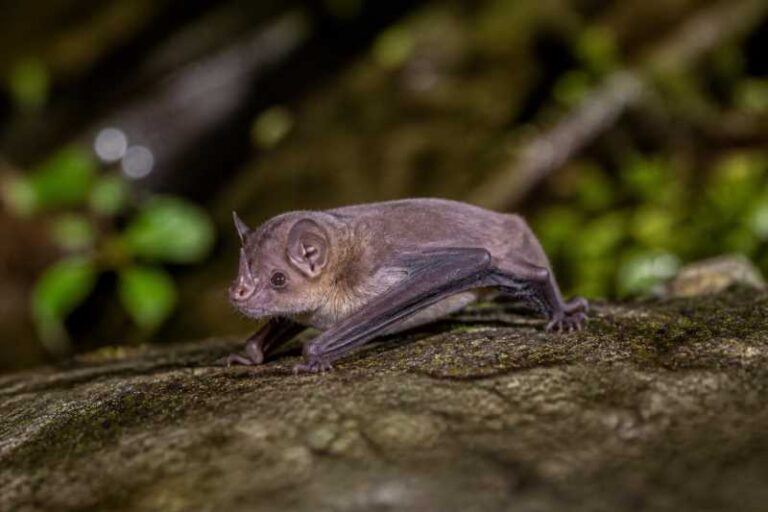
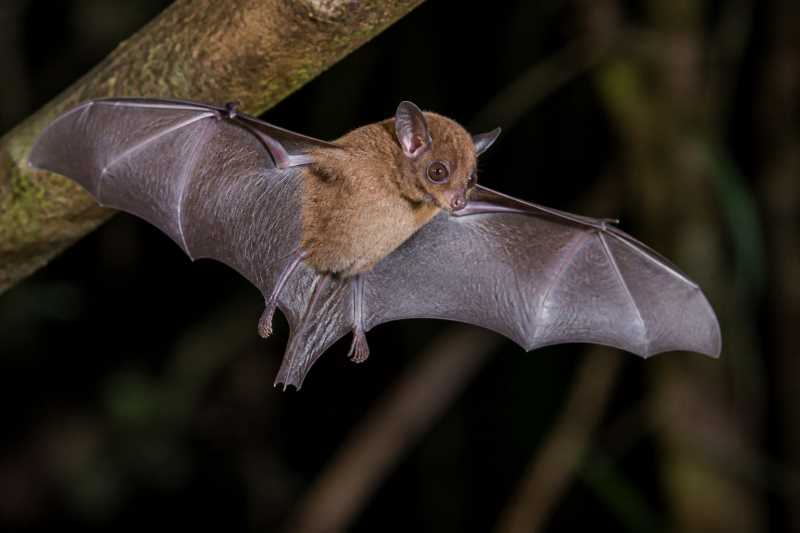
The Little Big-eyed Bat is aptly named for its relatively large eyes, which are an adaptation to its nocturnal lifestyle. These eyes are crucial for navigating and foraging in low-light conditions. The bat typically measures around 6 to 7 centimeters in body length, with a wingspan ranging from 30 to 35 centimeters. Its average weight is about 15 to 20 grams, making it a small yet agile flyer.
The fur of the Little Big-eyed Bat is soft and dense, providing insulation against the cool night air. The coloration varies from light brown to grayish-brown, with a lighter underbelly. One of the most distinctive features of this bat is its nose-leaf, a characteristic trait of the Phyllostomidae family. This nose-leaf is a fleshy, leaf-like structure that aids in echolocation, allowing the bat to navigate and hunt efficiently in the dark.
The ears of the Little Big-eyed Bat are relatively large, aiding in sound detection. These bats have a tragus, a small projection in the ear, which helps in determining the direction of sounds. The combination of visual acuity and enhanced auditory capabilities makes the Little Big-eyed Bat a proficient nocturnal navigator.
Range and Habitat
The Little Big-eyed Bat is primarily found in the tropical and subtropical regions of Central and South America. Its range includes countries such as Trinidad and Tobago, Venezuela, Colombia, and parts of the Amazon basin. It inhabits a variety of forested environments, ranging from lowland rainforests to montane forests.
These bats prefer areas with abundant fruiting trees, as their diet is predominantly frugivorous. They are often found in regions with dense vegetation, which provides ample roosting sites and protection from predators. The Little Big-eyed Bat roosts in a variety of locations, including tree hollows, caves, and abandoned bird nests. They are also known to utilize human-made structures, such as buildings and bridges, as roosting sites.
Behavior and Diet
The Little Big-eyed Bat is primarily frugivorous, feeding on a variety of fruits that are abundant in its habitat. Its diet includes fruits from plants such as figs, bananas, and other tropical fruit-bearing trees. This bat plays a crucial role in seed dispersal, contributing to the regeneration and maintenance of forest ecosystems.
In addition to fruits, the Little Big-eyed Bat may also consume nectar and pollen, making it an important pollinator for certain plant species. Its feeding habits often require it to travel significant distances each night, showcasing its exceptional flying abilities and navigational skills.
These bats are known for their social behavior, often roosting in small groups. They communicate using a variety of vocalizations, which are believed to play a role in maintaining group cohesion and coordinating foraging activities. The echolocation calls of the Little Big-eyed Bat are adapted for navigating dense forest environments, allowing it to detect obstacles and locate food sources with precision.
Identification Tips (Field Recognition Cues)
Identifying the Little Big-eyed Bat in the field can be a rewarding experience for bat enthusiasts and researchers. Here are some key identification tips:
- Eye Size: The large eyes are a distinctive feature, easily noticed when observing the bat up close.
- Nose-leaf: The prominent nose-leaf, characteristic of the Phyllostomidae family, is a useful identification marker.
- Fur Color: Look for the light brown to grayish-brown fur with a lighter underbelly.
- Size and Shape: Note the small body size and relatively large wingspan, typical of this species.
- Habitat: Observing the bat in its preferred forested environments can aid in identification.
Conservation Status (With Threats and Protections)
The conservation status of the Little Big-eyed Bat is currently classified as Least Concern by the International Union for Conservation of Nature (IUCN). However, like many bat species, it faces several threats that could impact its population in the future.
Threats:
- Habitat Loss: Deforestation and land conversion for agriculture and urban development are primary threats to the bat’s habitat.
- Climate Change: Altered weather patterns and temperature fluctuations can impact the availability of food resources.
- Human Disturbance: Roosting sites in human structures are often disturbed, leading to habitat fragmentation.
Protections:
Conservation efforts for the Little Big-eyed Bat focus on habitat preservation and restoration. Protected areas and national parks play a crucial role in safeguarding its natural habitat. Additionally, public awareness campaigns and research initiatives aim to increase understanding of the species and promote conservation actions.
Frequently Asked Questions
1. What do Little Big-eyed Bats eat?
Little Big-eyed Bats primarily feed on fruits, such as figs and bananas, playing a significant role in seed dispersal. They may also consume nectar and pollen, contributing to the pollination of certain plant species.
2. Where can you find Little Big-eyed Bats?
These bats are found in tropical and subtropical regions of Central and South America, including Trinidad and Tobago, Venezuela, Colombia, and parts of the Amazon basin. They inhabit forested environments with abundant fruiting trees.
3. How do Little Big-eyed Bats navigate at night?
The bats use a combination of echolocation and their large eyes to navigate and forage in low-light conditions. The echolocation calls help them detect obstacles and locate food sources, while their visual acuity aids in avoiding collisions.
4. Are Little Big-eyed Bats endangered?
Currently, the Little Big-eyed Bat is classified as Least Concern by the IUCN. However, habitat loss and other environmental threats could impact its population in the future, highlighting the need for ongoing conservation efforts.
5. How do Little Big-eyed Bats contribute to their ecosystem?
These bats play a vital ecological role as seed dispersers and pollinators. By consuming fruits and nectar, they help maintain forest biodiversity and support the regeneration of plant species.
Related posts