Introduction
The Black-bearded Tomb Bat, scientifically known as Taphozous melanopogon, is a fascinating species of bat found in various parts of Asia. As a member of the Emballonuridae family, this bat species is known for its distinctive appearance and intriguing behavior. With a primarily nocturnal lifestyle, the Black-bearded Tomb Bat plays a critical role in its ecosystem, particularly in insect population control.
While not as well-known as some other bat species, the Black-bearded Tomb Bat is of considerable interest to researchers and wildlife enthusiasts alike. Understanding its physical characteristics, habitat preferences, and behavior can provide valuable insights into the ecological dynamics of the regions it inhabits.
Physical Description
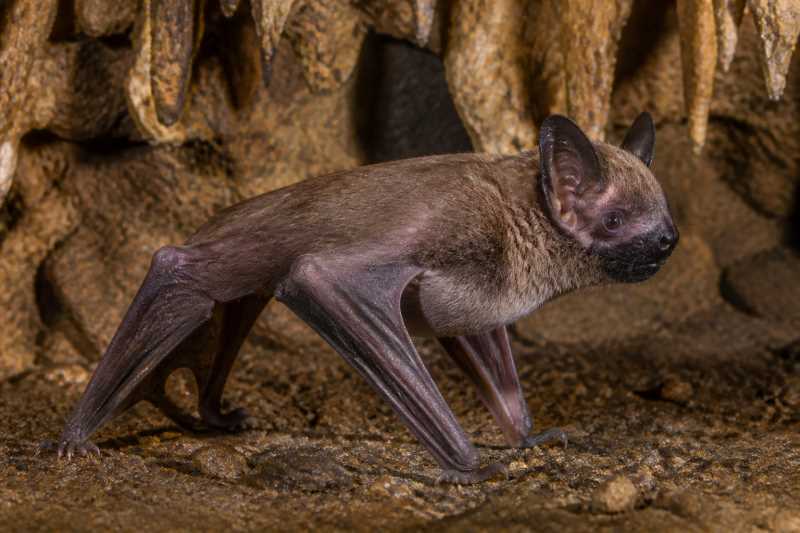
The Black-bearded Tomb Bat is a medium-sized bat species characterized by its unique physical features. It has a body length ranging from 60 to 75 mm, with a wingspan that can extend up to 350 mm. One of the most distinctive features of this species is its "beard," a patch of darker fur found on its chin and throat, which gives the bat its common name.
Its fur is generally a grayish-brown color, which provides excellent camouflage against the rocky surfaces and tree bark commonly found in its habitat. The wings of the Black-bearded Tomb Bat are long and narrow, allowing for agile flight and maneuverability in the air. Unlike many other bat species, its tail extends beyond the edge of the uropatagium, the membrane stretching between the legs.
The ears of the Black-bearded Tomb Bat are relatively small and rounded, contributing to its streamlined shape. It possesses a well-developed echolocation system that aids in navigation and hunting in the darkness. Overall, the physical adaptations of this bat make it a highly efficient nocturnal predator.
Range and Habitat
The Black-bearded Tomb Bat is native to a broad geographic range in South and Southeast Asia. Countries where this species can be found include India, Sri Lanka, Thailand, Malaysia, Indonesia, and the Philippines. It favors tropical and subtropical regions, where it can access a rich supply of insects.
In terms of habitat, the Black-bearded Tomb Bat is quite versatile. It roosts in a variety of environments, including caves, old buildings, temples, and hollow trees. These roosting sites provide the necessary shelter and protection from predators. The bat is often found in areas with abundant foliage and water sources, which support a healthy insect population.
Urbanization and habitat destruction pose significant threats to the natural habitats of the Black-bearded Tomb Bat. However, the adaptability of this species allows it to occupy human-modified environments, such as abandoned buildings, to some extent.
Behavior and Diet
The Black-bearded Tomb Bat is primarily nocturnal, emerging at dusk to forage for food. It is an insectivorous species, feeding on a wide variety of insects such as moths, beetles, and flies. Its foraging behavior involves flying at various heights, from the forest canopy to low above the ground, using its echolocation abilities to detect prey.
Social behavior in the Black-bearded Tomb Bat is evident in its roosting habits, as it often forms small colonies. These colonies can range from a few individuals to several dozen, depending on the availability of suitable roosting sites. Within these groups, bats communicate using a series of vocalizations that are thought to play a role in social cohesion and coordination.
Reproduction in the Black-bearded Tomb Bat generally occurs during the warmer months, with females typically giving birth to a single pup each year. The young bats are dependent on their mothers for several weeks until they develop the ability to fly and hunt independently.
Identification Tips (Field Recognition Cues)
Identifying the Black-bearded Tomb Bat in the field requires keen observation and a bit of patience. Here are some tips to help recognize this species:
- Beard-like Fur: Look for the distinctive dark "beard" or patch of fur on the chin and throat area.
- Tail Extension: Note the tail’s extension beyond the uropatagium, a unique feature among many bat species.
- Flight Pattern: Observe the bat’s flight pattern, which is agile and often involves quick, sharp turns.
- Roosting Sites: Check common roosting habitats like caves, old buildings, and hollow trees, especially at dusk.
- Echolocation Calls: Use a bat detector to listen for their echolocation calls, which can help confirm their presence.
Conservation Status (with Threats and Protections)
The conservation status of the Black-bearded Tomb Bat is currently listed as "Least Concern" by the International Union for Conservation of Nature (IUCN). However, this status does not imply that the species faces no threats. Habitat destruction due to deforestation, urban expansion, and agricultural development is the primary threat to their populations.
In addition to habitat loss, the bats are sometimes at risk from human activities such as hunting and persecution, often due to misunderstandings about their role in the ecosystem. Moreover, pollution and pesticide use can negatively impact the insect populations they rely on for food.
Efforts to protect the Black-bearded Tomb Bat involve safeguarding their natural habitats and educating local communities about the ecological benefits bats provide. Conservation programs also emphasize the importance of maintaining healthy insect populations, which are vital for the bats’ survival.
Frequently Asked Questions
1. What is the primary diet of the Black-bearded Tomb Bat?
The Black-bearded Tomb Bat primarily feeds on insects, including moths, beetles, and flies. Its diet makes it an important species for insect population control within its habitat.
2. How does the Black-bearded Tomb Bat use echolocation?
This bat species uses echolocation to navigate and hunt for prey in the dark. It emits high-frequency sound waves that bounce off objects, allowing the bat to "see" its surroundings and detect insects.
3. Where can the Black-bearded Tomb Bat be found?
The Black-bearded Tomb Bat is found in South and Southeast Asia, inhabiting countries like India, Sri Lanka, Thailand, Malaysia, Indonesia, and the Philippines. It prefers tropical and subtropical regions.
4. Are Black-bearded Tomb Bats solitary or social?
These bats are social creatures that often form small colonies. They roost together in caves, old buildings, and hollow trees, engaging in vocal communication within their groups.
5. What are the main threats to the Black-bearded Tomb Bat?
The primary threats to this species include habitat destruction due to deforestation and urbanization, human persecution, and the decline of insect populations due to pollution and pesticides.
Related posts