Introduction
The Pacific Sheath-tailed Bat, scientifically known as Emballonura semicaudata, is a fascinating and enigmatic creature belonging to the family Emballonuridae. These bats, commonly referred to as sheath-tailed bats, are integral to their ecosystems, contributing to insect control and pollination. Despite their ecological importance, many aspects of their biology and ecology remain understudied. This article delves into the unique characteristics, habitat preferences, and conservation status of the Pacific Sheath-tailed Bat, offering insights into its role in the natural world.
Physical Description
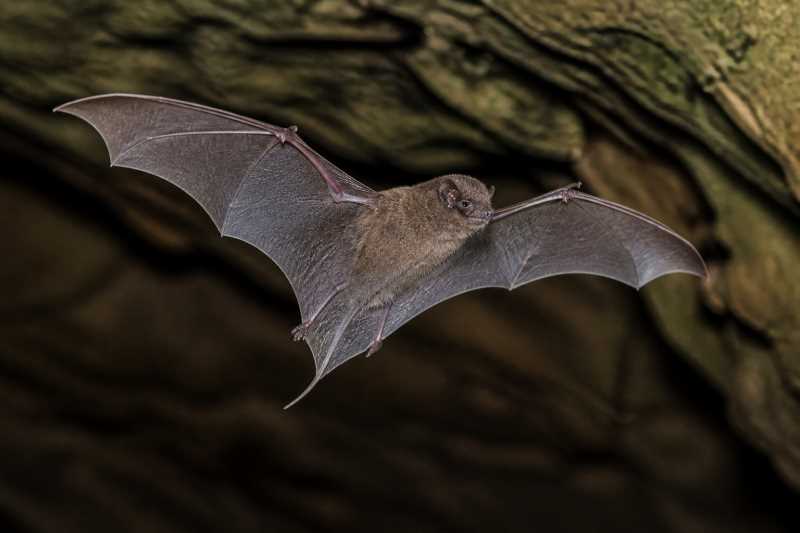
The Pacific Sheath-tailed Bat is a small, insectivorous mammal characterized by its slender body and distinctively long tail that extends slightly beyond the tail membrane, giving the appearance of a sheath. Adults typically weigh between 5 to 10 grams, with a forearm length ranging from 40 to 50 millimeters. Their fur is generally dark brown, providing effective camouflage against the bark and foliage of their natural environment. The bat’s wings are long and narrow, adapted for agile and swift flight, allowing it to maneuver skillfully through dense vegetation and forest canopies.
Distinctive facial features of the Pacific Sheath-tailed Bat include small, rounded ears and a simple nose structure, lacking the elaborate noseleaf found in many other bat species. This minimalist facial anatomy supports a feeding strategy focused on echolocation, allowing the bat to detect and capture insects in mid-flight.
Range and Habitat
The geographic range of the Pacific Sheath-tailed Bat spans several Pacific islands, including Samoa, Fiji, and Vanuatu. Historically, they were also found on Guam and the Northern Mariana Islands, although populations in these areas have experienced significant declines. These bats are typically associated with tropical and subtropical forest ecosystems, where they roost in caves, rock crevices, and occasionally in hollow trees.
The species exhibits a preference for habitats with abundant insect prey and suitable roosting sites. Dense forested areas and coastal regions with ample vegetation provide ideal conditions for foraging and shelter. However, habitat loss and degradation have posed significant challenges to the survival of these bats, leading to a reduction in suitable living spaces.
Behavior and Diet
The Pacific Sheath-tailed Bat is primarily nocturnal, emerging at dusk to embark on nightly foraging expeditions. Their diet consists predominantly of insects, including moths, beetles, and other flying insects. Using echolocation, these bats emit high-frequency sound waves that bounce off objects and return as echoes, enabling them to navigate and locate prey in complete darkness.
Socially, Pacific Sheath-tailed Bats are known to form small colonies, often roosting together in communal sites. These colonies can range from a few individuals to several dozen, depending on the availability of suitable roosting habitats. During the day, the bats rest in their roosts, conserving energy for their nocturnal activities.
Reproduction in these bats follows a seasonal pattern, with females typically giving birth to a single pup each year. The timing of birth is often synchronized with periods of high insect abundance, ensuring ample food resources for the nursing mother and growing pup.
Identification Tips (field recognition cues)
Identifying the Pacific Sheath-tailed Bat in the field requires a keen eye and attention to specific morphological features. Here are key identification tips:
- Tail Length: Note the tail extending slightly beyond the tail membrane, a characteristic sheath-like appearance.
- Size and Weight: Look for a small bat, weighing between 5 to 10 grams, with a forearm length of 40 to 50 millimeters.
- Fur Color: Observe the dark brown fur, which can blend with tree bark and foliage.
- Wing Shape: The long, narrow wings facilitate agile flight and are a distinguishing feature.
- Echolocation Calls: Use a bat detector to listen for high-frequency echolocation calls, typical of insectivorous bats.
Conservation Status (with threats and protections)
The Pacific Sheath-tailed Bat is currently classified as Endangered by the International Union for Conservation of Nature (IUCN). Several factors contribute to this status, including habitat destruction, climate change, and introduced predators.
Threats
- Habitat Loss: Deforestation and land development have led to the destruction of roosting and foraging habitats.
- Predation: Introduced species such as rats, cats, and snakes pose significant threats, preying on both adult bats and their young.
- Climate Change: Changing weather patterns can affect insect availability and disrupt the bats’ foraging behavior.
Protections
Conservation efforts are underway to protect the remaining populations of Pacific Sheath-tailed Bats. These efforts include habitat restoration, predator control, and the establishment of protected areas. Public education and awareness campaigns are also crucial in fostering community support for bat conservation.
Frequently Asked Questions
What is the diet of the Pacific Sheath-tailed Bat?
The diet of the Pacific Sheath-tailed Bat primarily consists of insects such as moths, beetles, and other small flying insects. They use echolocation to detect and capture prey during their nocturnal foraging activities.
Where can the Pacific Sheath-tailed Bat be found?
These bats are found on several Pacific islands, including Samoa, Fiji, and Vanuatu. Historically, they were also present on Guam and the Northern Mariana Islands, but populations in these areas have declined due to various threats.
How does habitat loss affect the Pacific Sheath-tailed Bat?
Habitat loss due to deforestation and land development reduces the availability of suitable roosting and foraging sites, posing a significant threat to the survival of the Pacific Sheath-tailed Bat.
What are the conservation efforts for the Pacific Sheath-tailed Bat?
Conservation efforts include habitat restoration, predator control, and the establishment of protected areas. Additionally, public education and awareness campaigns aim to garner community support for bat conservation.
How can I identify the Pacific Sheath-tailed Bat in the field?
Identifying this bat involves observing specific features such as its small size, dark brown fur, distinctive tail extending beyond the tail membrane, and listening for high-frequency echolocation calls.
Related posts