La Touche’s Mole: A Comprehensive Guide
Introduction
La Touche’s Mole (Mogera latouchei) is a fascinating subterranean mammal known for its elusive nature and significant role in soil aeration and pest control. This species, belonging to the family Talpidae, is native to parts of Southeast Asia and has adapted remarkably well to its underground lifestyle. As a creature that thrives beneath the surface, La Touche’s Mole is often overlooked, yet it plays an important ecological role. This article delves into the unique characteristics, habits, and conservation status of this intriguing species, providing a comprehensive resource for nature enthusiasts and researchers alike.
Physical Description
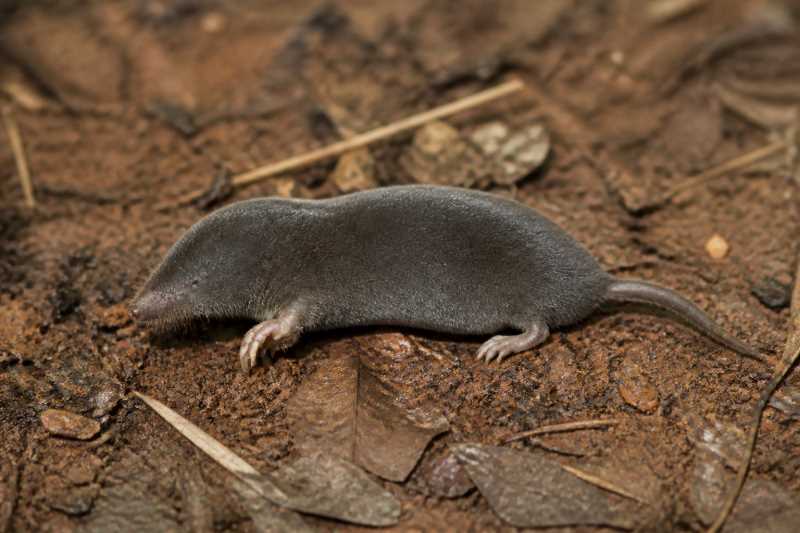
La Touche’s Mole is characterized by its robust body, which is perfectly designed for a life of burrowing. Typically, these moles measure about 12-15 cm in length, with a short tail of approximately 3 cm. They weigh between 60 to 90 grams. Their fur is velvety and dense, providing protection against soil particles. The coloration ranges from dark gray to brown, helping them blend into their earthy environment.
The mole’s most distinctive feature is its large, spade-like forelimbs with broad, sharp claws that make it an efficient digger. These limbs are adapted for powerful, lateral strokes to excavate tunnels. Their eyes are small and covered with skin, reflecting their reliance on other senses over vision. The snout is elongated and sensitive, packed with tactile hairs to detect prey in the dark underground.
Range and Habitat
Mogera latouchei is predominantly found in the southeastern regions of China, including provinces such as Fujian, Guangdong, and Guangxi, as well as northern Vietnam. These areas provide the moist, loamy soil that is ideal for burrowing.
The habitat of La Touche’s Mole is typically composed of lowland forests, agricultural fields, and sometimes, gardens. They prefer areas where the soil is soft enough to tunnel through yet stable enough to prevent collapse. This adaptability to various environments allows them to thrive despite the encroachment of urban development.
Behavior and Diet
La Touche’s Mole is primarily a solitary and territorial animal, spending most of its life underground. It is active throughout the year, with no hibernation period, although it may reduce activity during extremely harsh weather conditions.
The diet of this mole primarily consists of earthworms, which are abundant in their habitat. They also consume other small invertebrates like beetles and larvae. Occasionally, they may eat plant matter, though this is not a significant portion of their diet. The mole’s hunting technique is opportunistic, relying on its keen sense of touch and smell to locate prey within its tunnel systems.
Identification Tips
Identifying La Touche’s Mole in the field can be challenging due to its subterranean habits. However, certain cues can aid identification:
- Tunneling Activity: Look for fresh mounds of earth, which are indicative of mole activity.
- Distinctive Burrows: Their burrows are usually shallow, with a characteristic ridged appearance on the surface.
- Fur and Size: If you happen to spot one, note the velvety fur and small size, with a robust body and tiny eyes.
Conservation Status
The IUCN Red List currently categorizes La Touche’s Mole as a species of "Least Concern." However, this does not imply that the species is free from threats. Habitat destruction due to urbanization and agricultural expansion poses significant risks to their populations.
Protection measures are necessary to ensure the continued survival of this species. Efforts include monitoring population trends and habitat conservation initiatives. In some regions, these moles are protected under local wildlife protection laws, which aim to preserve their habitats from further degradation.
Frequently Asked Questions
1. What is the habitat range of La Touche’s Mole?
La Touche’s Mole is found primarily in southeastern China and northern Vietnam, inhabiting lowland forests, agricultural areas, and gardens.
2. How does La Touche’s Mole contribute to the ecosystem?
This mole species helps aerate the soil and control pest populations by feeding on invertebrates, thus playing a vital ecological role.
3. Are La Touche’s Moles dangerous to gardens or crops?
While their burrowing can disrupt gardens, they are generally beneficial as they consume harmful invertebrates that could damage crops.
4. What are the primary threats facing La Touche’s Mole?
The main threats include habitat destruction and fragmentation due to urban and agricultural development.
5. How can we help conserve La Touche’s Mole?
Supporting habitat conservation efforts and promoting awareness about the ecological importance of moles are key measures in their conservation.
Related posts