Introduction
The African Root Rat, scientifically known as Tachyoryctes splendens, is a fascinating rodent species that thrives in various regions across Africa. These burrowing mammals play a significant role in their ecosystems by influencing soil composition and vegetation dynamics. Understanding the African Root Rat’s biology, habitat, and behavior is crucial for appreciating its ecological importance and addressing conservation challenges.
Physical Description
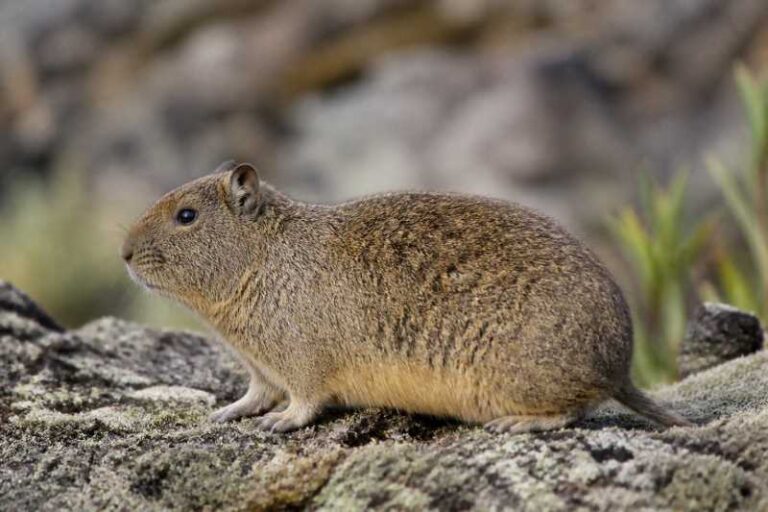
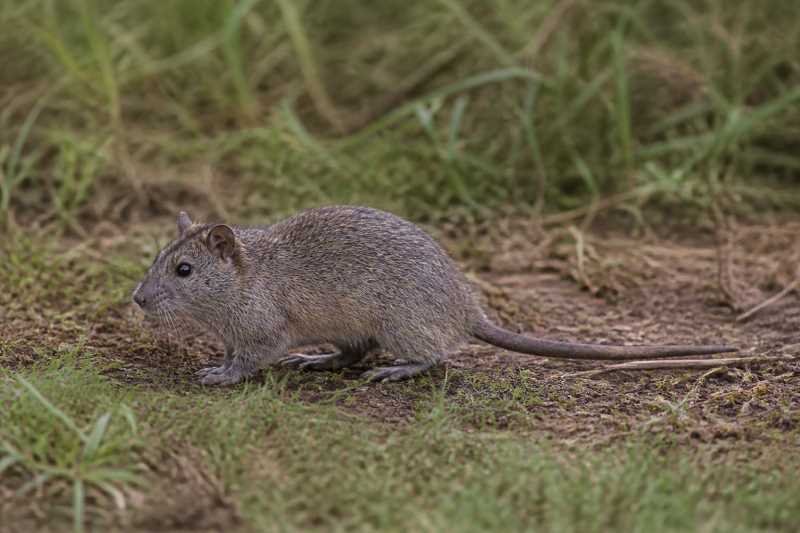
The African Root Rat is a medium-sized rodent characterized by its robust body and specialized adaptations for a subterranean lifestyle. Adults typically measure 18 to 22 centimeters in length, with a short, rudimentary tail measuring about 4 to 5 centimeters. The species’ fur is dense and soft, with a color range from dark brown to gray, which helps it blend into the soil and its surroundings.
Notably, the African Root Rat has powerful forelimbs with enlarged claws, designed for efficient digging and burrowing. Its head is broad, with small eyes and ears that reduce exposure to dirt and debris while tunneling. The incisors of the African Root Rat are sharp and prominent, essential for gnawing roots and underground tubers, which form a significant part of its diet.
Range and Habitat
The African Root Rat is native to the eastern and southern regions of Africa, with populations found in countries such as Ethiopia, Kenya, Tanzania, and Uganda. The species thrives in a variety of habitats, including grasslands, savannas, and agricultural lands, where the soil is soft enough for burrowing but stable enough to prevent tunnel collapse.
These rodents prefer areas with a rich supply of underground vegetation, particularly roots and tubers, which constitute their primary food sources. Their presence is often marked by visible mounds of excavated soil, indicating active burrowing activity.
Behavior and Diet
The African Root Rat is primarily a nocturnal and fossorial animal, spending most of its life underground in intricate burrow systems. These burrows serve as protection from predators and harsh environmental conditions. The species is solitary, with individuals maintaining their own territories and burrow systems.
Diet-wise, the African Root Rat primarily feeds on underground plant parts, including roots, tubers, and bulbs. This diet makes it an important ecological agent for aerating soil and influencing plant dynamics. Occasionally, they may emerge from their burrows to forage for surface vegetation, especially during food scarcity underground.
Identification Tips (field recognition cues)
Identifying the African Root Rat in the field requires observing several key characteristics:
- Burrow Systems: Look for active burrow mounds, which are a clear indicator of the species’ presence.
- Physical Appearance: Note the robust body, short tail, and powerful forelimbs with enlarged claws.
- Fur Color: The fur is typically dark brown to gray, helping it blend into its environment.
- Behavior: The species is nocturnal, so sightings are more likely during dusk or at night.
Conservation Status (with threats and protections)
The African Root Rat is currently classified as a species of Least Concern by the International Union for Conservation of Nature (IUCN). However, certain regional populations face threats from habitat destruction, particularly due to agricultural expansion and urban development.
Conservation efforts for the African Root Rat include habitat preservation and promoting awareness of its ecological importance. Protecting the species’ natural habitats and implementing sustainable land-use practices can help mitigate potential threats.
Frequently Asked Questions
What do African Root Rats eat?
African Root Rats primarily consume underground plant parts such as roots, tubers, and bulbs. Occasionally, they may forage for surface vegetation.
Where are African Root Rats found?
African Root Rats inhabit the eastern and southern regions of Africa, including countries like Ethiopia, Kenya, Tanzania, and Uganda, preferring grasslands, savannas, and agricultural lands.
Are African Root Rats dangerous?
African Root Rats are not considered dangerous to humans. They are solitary, fossorial rodents that pose no direct threat but can impact agriculture through their burrowing and feeding habits.
How can you identify an African Root Rat?
The African Root Rat can be identified by its robust body, short tail, dark brown to gray fur, and powerful digging claws. Active burrows and soil mounds are also key indicators.
What is the conservation status of the African Root Rat?
The African Root Rat is classified as Least Concern by the IUCN, although some populations are threatened by habitat destruction due to human activities.
Related posts