Introduction
The Sikkim Water Shrew (Nectogale sikhimensis) is a fascinating small mammal that inhabits the cool, fast-flowing streams of the Eastern Himalayas. Known for its semi-aquatic lifestyle, this elusive mammal is a member of the family Soricidae, which includes shrews known for their voracious appetites and high metabolisms. Despite its intriguing ecological niche, the Sikkim Water Shrew remains one of the lesser-known species, largely due to its elusive nature and the challenges associated with studying its natural habitat. This article aims to shed light on the various aspects of the Sikkim Water Shrew, including its physical description, range and habitat, behavior and diet, identification tips, and conservation status.
Physical Description
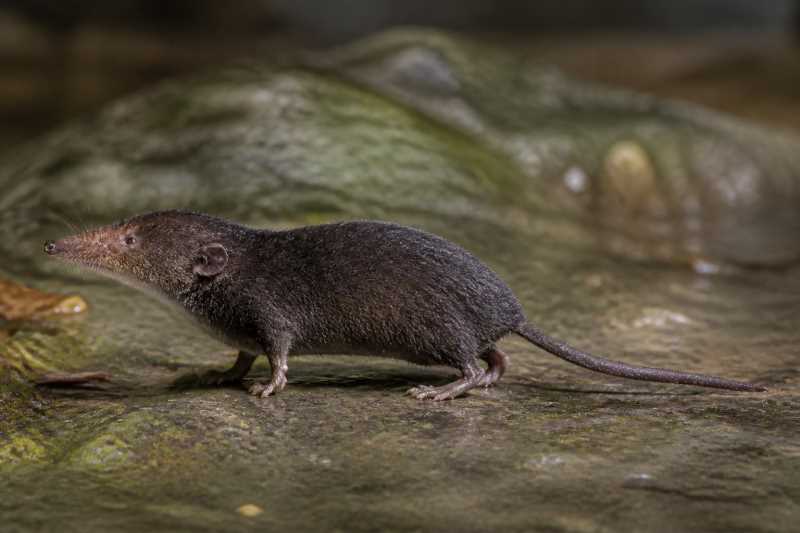
The Sikkim Water Shrew is a small but distinctive mammal, with several adaptations that allow it to thrive in its aquatic environment. Measuring approximately 10 to 12 centimeters in body length, with a tail nearly as long, this shrew is relatively small yet robust. It has a dense, water-repellent coat that is typically dark grey or brown, which helps insulate against the cold waters of mountain streams. Its fur is soft and velvety, providing excellent thermal protection.
One of the most notable features of the Sikkim Water Shrew is its tail, which is fringed with stiff hairs. These hairs aid in swimming by providing balance and steering capabilities in turbulent waters. The snout of the shrew is elongated and flexible, equipped with sensitive whiskers that help detect prey underwater. Its small, beady eyes and ears are adapted for a life spent mostly in dimly lit environments.
Range and Habitat
The Sikkim Water Shrew is endemic to the Eastern Himalayas, with its range extending across regions of Sikkim, Nepal, Bhutan, and possibly parts of Tibet. This species is predominantly found in high-altitude environments, typically between 1,500 and 3,000 meters above sea level. It favors cold, fast-flowing mountain streams and rivers, where it can be seen foraging along the banks and occasionally venturing into the water.
The habitat of the Sikkim Water Shrew is characterized by lush vegetation and rocky substrates, which provide ample cover and hunting grounds. The presence of clear, unpolluted water is crucial for their survival, as they rely heavily on aquatic prey and require pristine conditions to thrive.
Behavior and Diet
The Sikkim Water Shrew is primarily nocturnal, spending much of its active time hunting for food during the night. It is an adept swimmer and often forages both in and around water. Its diet is carnivorous, consisting mainly of aquatic insects, small fish, and crustaceans. The shrew uses its sensitive whiskers and keen sense of smell to locate prey in the water, often diving beneath the surface to catch its meals.
Social behavior in the Sikkim Water Shrew is not well-documented, but like many shrews, it is likely to be a solitary creature, coming together only for mating purposes. It is known to be territorial, with individuals maintaining distinct home ranges along the stream banks.
Identification Tips (field recognition cues)
Identifying the Sikkim Water Shrew in its natural habitat can be challenging due to its elusive nature and the rugged terrain it inhabits. However, there are several key characteristics to look out for:
- Size and Shape: Look for a small, robust mammal with a body length of 10-12 cm and a long tail.
- Fur: Dense, water-repellent fur that is dark grey or brown in color.
- Tail: A distinctively fringed tail with stiff hairs, aiding in swimming.
- Snout and Whiskers: An elongated snout with sensitive whiskers is a primary tool for detecting prey.
- Behavior: Mostly active at night near cold, fast-flowing streams.
Conservation Status (with threats and protections)
The Sikkim Water Shrew is currently classified as Near Threatened on the IUCN Red List. The primary threats to its survival include habitat destruction due to human encroachment, pollution of water sources, and climate change, which is altering the delicate balance of its high-altitude ecosystem.
Conservation efforts for the Sikkim Water Shrew focus on habitat preservation and the protection of water quality in its natural range. There are ongoing initiatives to monitor the species’ population trends and to implement conservation policies that mitigate the impact of human activities. Protected areas within its range also play a crucial role in safeguarding its habitat.
Frequently Asked Questions
1. What is the primary habitat of the Sikkim Water Shrew? The Sikkim Water Shrew primarily inhabits cold, fast-flowing mountain streams in the Eastern Himalayas, typically at elevations between 1,500 and 3,000 meters.
2. What does the Sikkim Water Shrew eat? This shrew’s diet is carnivorous, consisting mainly of aquatic insects, small fish, and crustaceans, which it hunts in and around water.
3. Why is the Sikkim Water Shrew considered Near Threatened? The species faces threats from habitat destruction, water pollution, and climate change, leading to its Near Threatened status on the IUCN Red List.
4. How can I identify a Sikkim Water Shrew in the wild? Look for a small mammal with a robust body, dense dark fur, a fringed tail, and an elongated snout with sensitive whiskers, typically active at night near streams.
5. Are there any conservation efforts in place for the Sikkim Water Shrew? Yes, conservation efforts focus on habitat preservation, water quality protection, and monitoring population trends to mitigate human impacts.
Related posts