Introduction
The Eurasian Water Shrew (Neomys fodiens) is a fascinating semi-aquatic mammal that captivates both amateur wildlife enthusiasts and professional biologists alike. Known for its unique adaptations to life in and around water, this small yet remarkable creature is a member of the Soricidae family. The Eurasian Water Shrew is widely distributed across Europe and parts of Asia, playing a crucial role in its ecosystem. This article delves into the physical attributes, habitat preferences, behavior, and conservation status of the Eurasian Water Shrew, providing an in-depth look at what makes this species so intriguing.
Physical Description
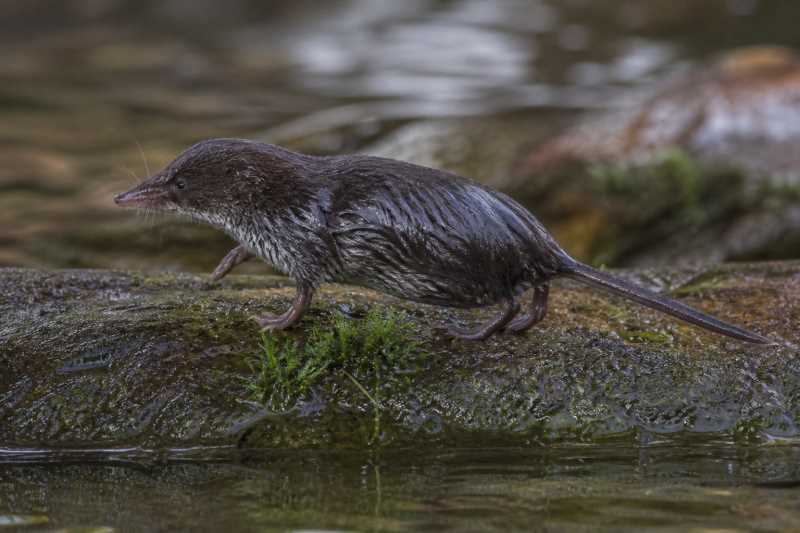
The Eurasian Water Shrew is a small mammal, typically measuring between 6 and 10 cm in body length, with a tail length of approximately 7 to 8 cm. It weighs between 8 and 23 grams, making it a diminutive yet dynamic creature. Its most distinctive feature is its dense, velvety fur, which is predominantly dark brown or black on the upper parts and a lighter, often silvery-gray, color on the underparts. This fur is water-repellent, an adaptation that aids in swimming and insulation.
The shrew possesses a streamlined body and a pointed snout that aids in foraging for food. Its eyes are small, and its ears are concealed by fur, suggesting that its primary senses are touch and smell rather than sight and hearing. The Eurasian Water Shrew is equipped with stiff hairs on its feet and tail, which help it to swim efficiently, and its hind feet are slightly webbed, enhancing its aquatic capabilities.
Range and Habitat
The Eurasian Water Shrew has a wide distribution range, spanning from Ireland and Great Britain across Europe to western Siberia and northern Iran. It is also found in parts of Scandinavia and the Baltic states. This shrew is typically found in freshwater habitats, such as rivers, streams, lakes, ponds, and marshes, but it can also inhabit terrestrial areas provided there is adequate moisture and cover.
Preferring dense vegetation, the Eurasian Water Shrew is often located in regions with abundant plant life that offers shelter and foraging opportunities. It is crucial that their habitats provide a rich supply of invertebrates, which constitute the bulk of their diet. Seasonal changes can influence their habitat preference, with shrews sometimes moving to more terrestrial habitats during colder months when water bodies may freeze over.
Behavior and Diet
Eurasian Water Shrews are primarily nocturnal and solitary creatures, although they may exhibit crepuscular activity patterns, being active during dawn and dusk. They are highly territorial, with individuals maintaining and defending territories that are essential for their survival. Shrews use a combination of vocalizations, scent markings, and aggressive encounters to communicate and establish dominance in their territories.
Their diet is carnivorous, consisting mainly of aquatic and terrestrial invertebrates such as insects, worms, mollusks, and crustaceans. The shrew is an adept hunter, using its sensitive whiskers and acute sense of smell to locate prey. It is known for its high metabolic rate, requiring frequent feeding to sustain its energy levels. Occasionally, it may also consume small fish and amphibians.
Identification Tips
Identifying the Eurasian Water Shrew in the field requires attention to several key features. Firstly, observe the fur coloration: the contrast between the dark dorsal side and lighter ventral side is a significant indicator. Secondly, note the habitat; these shrews are nearly always found close to water.
Another distinct characteristic is their behavior. If you spot a small mammal swimming efficiently with a zigzag motion in a freshwater habitat, it may well be the Eurasian Water Shrew. Their erratic, quick movements on land, along with their tendency to dive and forage in water, are good identification cues.
Finally, listen for their high-pitched squeaks and look for signs of their presence such as small burrows or tunnels near water sources.
Conservation Status
The Eurasian Water Shrew is currently classified as Least Concern by the International Union for Conservation of Nature (IUCN). This status reflects its wide distribution and presumed large population. However, like many species, it faces threats that could impact its numbers in the future.
Habitat degradation, particularly the pollution of water bodies, poses a significant threat. The loss of wetlands and the drainage of marshes for agriculture and urban development also contribute to habitat loss. Climate change may further exacerbate these threats by altering the water levels and temperatures of their habitats.
Conservation efforts are focused on habitat preservation and restoration, including the protection of wetland areas and the enforcement of regulations to reduce water pollution. Public awareness campaigns are also essential to highlight the importance of preserving aquatic ecosystems for the survival of species like the Eurasian Water Shrew.
Frequently Asked Questions
1. What does the Eurasian Water Shrew eat?
The Eurasian Water Shrew primarily feeds on aquatic and terrestrial invertebrates, including insects, worms, mollusks, and crustaceans. Occasionally, it may also consume small fish and amphibians.
2. How can I identify a Eurasian Water Shrew?
To identify a Eurasian Water Shrew, look for its distinctive dark and light fur, its presence near water habitats, and its efficient swimming behavior. Listen for high-pitched squeaks and watch for quick, erratic movements.
3. Are Eurasian Water Shrews endangered?
Currently, Eurasian Water Shrews are not endangered and are classified as Least Concern. However, they face threats from habitat degradation and pollution, which could impact their populations in the future.
4. Where can I find Eurasian Water Shrews?
Eurasian Water Shrews are found across Europe, from Ireland to western Siberia, and parts of Asia. They inhabit freshwater environments like rivers, streams, and lakes, and occasionally terrestrial areas with adequate moisture.
5. Do Eurasian Water Shrews have any predators?
Yes, Eurasian Water Shrews have several natural predators, including birds of prey, larger mammals, and some fish species. Their agile swimming and elusive behavior help them evade many threats.
Related posts