Kalinga Shrew Mouse: A Rare Gem of the Philippines
Introduction
The Kalinga shrew mouse (Soricomys kalinga), an elusive rodent species, is a remarkable discovery in the lush landscapes of the Philippines. Known for its distinct characteristics and limited distribution, this small mammal has captured the interest of biologists and conservationists alike. First described in 2006, the Kalinga shrew mouse is a member of the family Muridae and is endemic to the northern regions of Luzon, the largest island in the Philippines.
In this article, we delve into the fascinating world of the Kalinga shrew mouse, exploring its physical attributes, habitat preferences, behavior, and conservation status. We’ll also provide identification tips for those keen on observing this species in the wild. Furthermore, we’ll address frequently asked questions about this unique rodent, offering insights into its life and the challenges it faces.
Physical Description
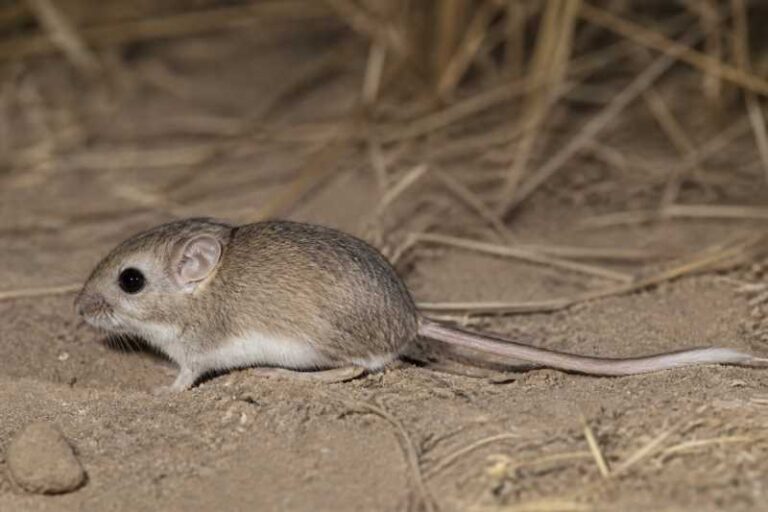
The Kalinga shrew mouse is a small mammal, with an average body length of 110 to 148 millimeters and a tail length ranging from 70 to 90 millimeters. It typically weighs between 30 to 60 grams. Its fur is soft and dense, with a dark brown to black coloration on the dorsal side, while the ventral side is a lighter grayish-brown. This coloration provides excellent camouflage in its natural habitat.
One of the most distinctive features of the Kalinga shrew mouse is its elongated snout, which resembles that of a shrew, hence its name. The snout is equipped with sensitive whiskers that aid in navigation and foraging. Additionally, the species has small, rounded ears and relatively large eyes that are well-adapted to its nocturnal lifestyle.
The feet of the Kalinga shrew mouse are adapted for a semi-fossorial lifestyle, with strong claws that facilitate digging. Its hind feet are slightly larger than the front ones, aiding in balance and movement through the underbrush.
Range and Habitat
The Kalinga shrew mouse is endemic to the mountainous regions of northern Luzon, particularly in the provinces of Kalinga and Apayao. It primarily inhabits montane and mossy forests at elevations ranging from 1,000 to 2,500 meters above sea level. These areas are characterized by high humidity, dense vegetation, and a rich diversity of flora and fauna.
The species is highly adapted to its forest environment, often found in areas with thick leaf litter and abundant undergrowth. This habitat provides ample cover from predators and a rich source of food. The Kalinga shrew mouse is also known to occupy burrows, which it uses for shelter and nesting.
Behavior and Diet
The Kalinga shrew mouse is primarily nocturnal, spending the night foraging for food and the day resting in its burrow. It is a solitary creature, with individuals maintaining defined territories that they actively defend from intruders.
Its diet mainly consists of insects, small invertebrates, and plant material. The elongated snout and sensitive whiskers are vital adaptations that aid in locating prey within the leaf litter. The species is also known to consume seeds and fruits, contributing to seed dispersal in its ecosystem.
Social interactions among Kalinga shrew mice are limited, with individuals coming together mainly for mating purposes. Little is known about their reproductive behavior, but it is assumed that they have a breeding season aligned with the availability of food resources.
Identification Tips
Identifying the Kalinga shrew mouse in the field requires keen observation due to its small size and elusive nature. Here are some key identification tips:
- Size and Shape: Look for a small rodent with a body length of 110 to 148 millimeters and a tail length of 70 to 90 millimeters.
- Coloration: Note the dark brown to black dorsal fur and lighter grayish-brown ventral fur.
- Snout and Whiskers: The elongated snout and prominent whiskers are distinctive features.
- Behavior: Observe for nocturnal activity and solitary behavior.
- Habitat: Focus on montane and mossy forests at elevations of 1,000 to 2,500 meters.
Conservation Status
The Kalinga shrew mouse is currently classified as "Data Deficient" by the International Union for Conservation of Nature (IUCN). This classification reflects the limited information available on the species’ population size, distribution, and ecological requirements.
Despite its elusive nature, the Kalinga shrew mouse faces several threats, primarily due to habitat loss and degradation. Deforestation for agriculture, logging, and infrastructure development poses significant risks to its natural habitat. Climate change further exacerbates these threats by altering the delicate balance of its montane ecosystem.
Efforts to protect the Kalinga shrew mouse include habitat conservation and the establishment of protected areas. Initiatives to promote sustainable land use practices and raise awareness of the species’ plight are crucial for its survival.
Frequently Asked Questions
- Where can the Kalinga shrew mouse be found?
The Kalinga shrew mouse is endemic to the mountainous regions of northern Luzon in the Philippines, particularly in Kalinga and Apayao provinces. It inhabits montane and mossy forests at elevations between 1,000 and 2,500 meters.
- What does the Kalinga shrew mouse eat?
The diet of the Kalinga shrew mouse mainly consists of insects, small invertebrates, seeds, and fruits. Its elongated snout and whiskers are adapted for foraging within leaf litter.
- How can I identify a Kalinga shrew mouse in the wild?
Look for a small rodent with a dark brown to black dorsal side, a lighter grayish-brown ventral side, an elongated snout, and prominent whiskers. It is typically found in montane forests at night.
- What are the main threats to the Kalinga shrew mouse?
The main threats include habitat loss due to deforestation, agricultural expansion, and infrastructure development, as well as the impacts of climate change on its montane ecosystem.
- Is the Kalinga shrew mouse endangered?
The Kalinga shrew mouse is classified as "Data Deficient" by the IUCN, indicating that more research is needed to determine its conservation status. However, habitat loss poses significant risks to its survival.
Related posts