Introduction
The Medellín Small-eared Shrew, scientifically known as Cryptotis medellinius, is a fascinating yet elusive mammal species native to the tropical regions of South America. Despite its diminutive stature, this shrew plays a crucial role in its ecosystem, primarily through its insectivorous diet that helps control insect populations. As an important ecological player, understanding more about this small creature can provide insights into the biodiversity and health of its habitat.
Physical Description
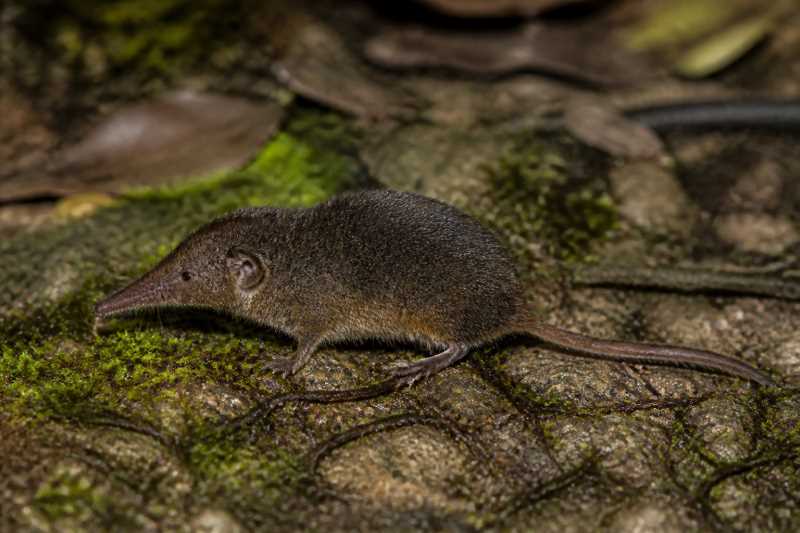
The Medellín Small-eared Shrew is characterized by its compact, streamlined body adapted for a life of constant foraging. Typically, this shrew measures about 7 to 10 centimeters in length, including a short, stubby tail. It weighs approximately 10 to 15 grams, making it a relatively lightweight mammal. Its fur is generally dark gray to brown, providing excellent camouflage against the forest floor’s detritus and leaf litter. One of the most distinguishing features of this species is its small, rounded ears, which are nearly hidden by its fur, hence the name "small-eared." These ears are highly sensitive, aiding the shrew in detecting the faintest sounds of its prey rustling nearby.
Range and Habitat
The Medellín Small-eared Shrew is primarily found in the Andean regions of Colombia, particularly around the vicinity of Medellín, from which it derives its name. This species thrives in montane forests, which offer a cool, moist environment with ample ground cover. The high-altitude forests provide a rich tapestry of leaf litter and decomposing organic matter, which are ideal for the shrew’s burrowing and foraging habits. This habitat not only offers protection from predators but also sustains a diverse array of insects and small invertebrates, which are crucial to the shrew’s diet.
Behavior and Diet
As a nocturnal creature, the Medellín Small-eared Shrew is most active during the night, when it scours the forest floor for food. Its diet predominantly consists of insects, spiders, and other small invertebrates, making it an essential component in controlling insect populations. This shrew employs a keen sense of smell and acute hearing to locate its prey, often rooting through leaf litter and soil. Despite its fierce predatory nature, the shrew is solitary and avoids interaction with others of its kind except during the breeding season.
In terms of reproduction, little is known about the specific breeding habits of the Medellín Small-eared Shrew. However, like other shrew species, it is presumed to have a short gestation period with multiple litters per year, each comprising several young. This reproductive strategy helps maintain population numbers despite the various threats these small mammals face.
Identification Tips (Field Recognition Cues)
Identifying the Medellín Small-eared Shrew in the field can be challenging due to its elusive nature and the dense habitats it occupies. However, several key characteristics can aid in identification:
- Size and Shape: Look for a small, mouse-sized mammal with a short, rounded body. Its tail is notably shorter than its body length.
- Color: The shrew’s fur is typically dark gray to brown, providing excellent camouflage against the forest floor.
- Ears: The small, rounded ears are almost completely covered by fur, making them difficult to see at first glance.
- Activity Pattern: Being nocturnal, sightings are more likely during dusk or nighttime excursions.
- Habitat: Focus on high-altitude montane forests with dense leaf litter, as these are preferred habitats.
Conservation Status (with Threats and Protections)
The conservation status of the Medellín Small-eared Shrew is currently categorized as "Data Deficient" by the International Union for Conservation of Nature (IUCN). This classification indicates a lack of comprehensive data on the species’ population trends and distribution, highlighting the need for further research.
Threats
The primary threats to the Medellín Small-eared Shrew are habitat destruction and fragmentation, mainly due to agricultural expansion, logging, and urbanization. As montane forests are cleared for farmland or human settlements, the shrew’s habitat is increasingly diminished. Additionally, climate change poses a long-term threat by altering the delicate balance of the shrew’s high-altitude environment.
Protections
Efforts to conserve the Medellín Small-eared Shrew focus on preserving its natural habitat. This includes establishing protected areas and reserves in the Andean regions and promoting sustainable land-use practices that minimize habitat loss. Conservationists also emphasize the importance of conducting further studies to gather accurate data on the species’ population and distribution to inform future protection measures.
Frequently Asked Questions
What is the Medellín Small-eared Shrew’s scientific name?
The scientific name of the Medellín Small-eared Shrew is Cryptotis medellinius.
Where can the Medellín Small-eared Shrew be found?
This species is found in the montane forests of the Andean regions of Colombia, particularly around Medellín.
What does the Medellín Small-eared Shrew eat?
The Medellín Small-eared Shrew primarily feeds on insects, spiders, and other small invertebrates.
How can I identify a Medellín Small-eared Shrew in the wild?
Look for a small, dark gray to brown mammal with small, rounded ears and a short tail, typically active at night in high-altitude forests.
What are the conservation efforts for the Medellín Small-eared Shrew?
Conservation efforts focus on habitat preservation through protected areas, sustainable land use, and further research on the species’ population and distribution.
Related posts