Introduction
The Montane Hutia, scientifically known as Isolobodon montanus, is a fascinating yet critically endangered rodent species endemic to the Caribbean region. Often overshadowed by more prominent animals, this species plays a crucial role in its ecosystem. Despite its importance, the Montane Hutia is not as widely recognized or studied as it should be, making it a subject of interest for conservationists and researchers alike. This article delves into the various aspects of the Montane Hutia, providing a comprehensive overview of its physical characteristics, habitat, behavior, and the threats it faces.
Physical Description
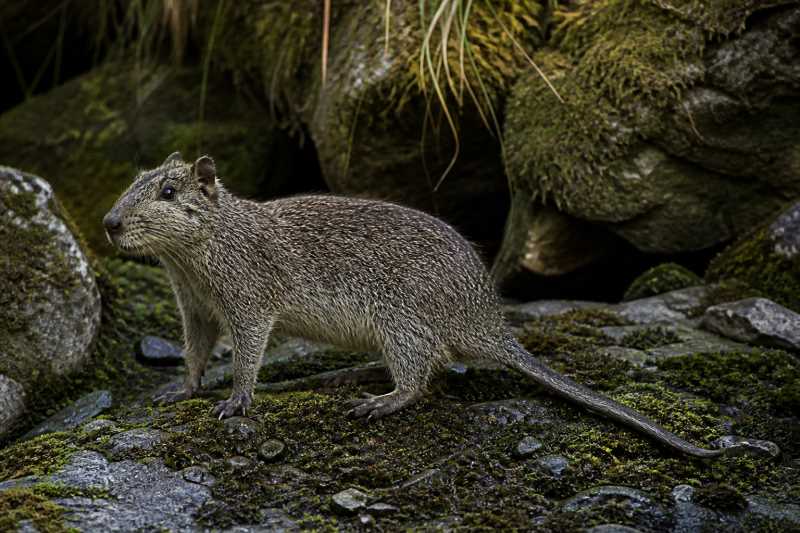
The Montane Hutia is a medium-sized rodent characterized by its robust body and distinctive features. Adults typically weigh between 0.8 to 1.3 kilograms (1.8 to 2.9 pounds) and have a body length ranging from 25 to 40 centimeters (10 to 16 inches), excluding the tail. The tail itself is short and covered with a sparse layer of hair, measuring approximately 5 to 10 centimeters (2 to 4 inches).
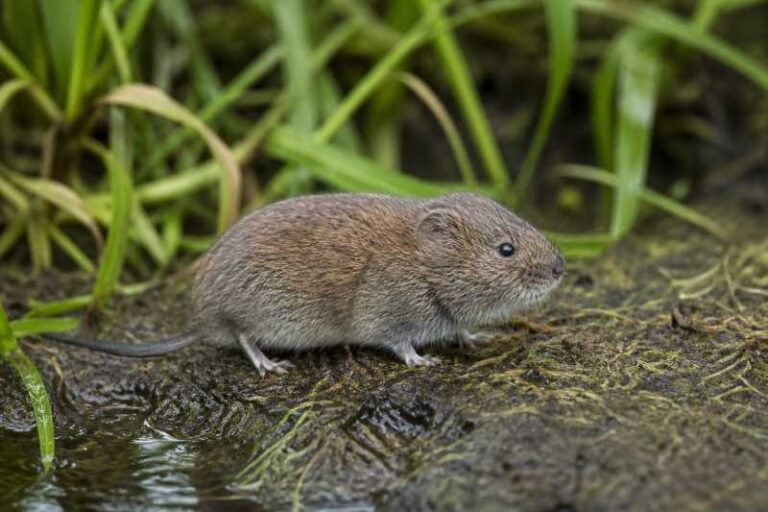
The fur of the Montane Hutia is dense and coarse, providing insulation against the cooler temperatures of its montane habitat. The coloration varies from shades of brown to gray, with a lighter underbelly. Its rounded ears and small, dark eyes are adapted to its nocturnal lifestyle, allowing it to navigate and forage effectively in low-light conditions.
Range and Habitat
Historically, the Montane Hutia was found across several Caribbean islands, but its current range is severely restricted. Today, it primarily inhabits the montane forests of Hispaniola, an island shared by the Dominican Republic and Haiti. The species prefers high-altitude areas with dense vegetation, which offer both food resources and protection from predators.
These montane forests are characterized by high humidity and cooler temperatures compared to the lowland regions, creating a unique ecosystem. The dense canopy and thick underbrush provide ample cover and foraging opportunities for the Montane Hutia, allowing it to thrive in these conditions despite its limited range.
Behavior and Diet
The Montane Hutia is primarily nocturnal, spending the daylight hours in burrows or hidden among dense vegetation. At night, it emerges to forage, relying on its keen sense of smell to locate food. Its diet is primarily herbivorous, consisting of leaves, fruits, bark, and occasionally seeds. The species plays a vital role in seed dispersal, aiding in the regeneration of its forest habitat.
Socially, Montane Hutias are known to live in small family groups. These groups communicate through a series of vocalizations, which range from high-pitched squeaks to low grunts. Such vocalizations are essential for maintaining group cohesion and alerting members to potential threats.
Identification Tips
Field recognition of the Montane Hutia can be challenging due to its elusive nature and nocturnal habits. However, there are several key characteristics to help identify this species:
- Size and Shape: Look for a medium-sized rodent with a robust body and a short tail.
- Fur: Note the dense, coarse fur that ranges in color from brown to gray, with a lighter underbelly.
- Ears and Eyes: Round ears and small, dark eyes are indicative of this species.
- Behavior: Observe foraging behavior at night and listen for vocalizations in the form of squeaks and grunts.
- Habitat: Search in montane forest areas, particularly those with dense underbrush and high humidity.
Conservation Status
The Montane Hutia is currently listed as critically endangered by the International Union for Conservation of Nature (IUCN). The primary threats to its survival include habitat loss due to deforestation, agricultural expansion, and human encroachment. Additionally, introduced predators such as dogs, cats, and mongooses pose significant risks to its population.
Conservation efforts are underway to protect the remaining populations of the Montane Hutia. These include habitat restoration projects, legal protections, and community education initiatives aimed at raising awareness of the species’ plight. Collaboration between governmental and non-governmental organizations is crucial to ensure the long-term survival of this unique rodent.
Frequently Asked Questions
1. What is the current population of the Montane Hutia?
The exact population size of the Montane Hutia is unknown due to its elusive nature. However, it is estimated that the numbers are critically low, prompting urgent conservation efforts.
2. Why is the Montane Hutia endangered?
The Montane Hutia is endangered primarily due to habitat loss caused by deforestation and agricultural activities. Invasive species also pose significant threats to its survival.
3. How does the Montane Hutia contribute to its ecosystem?
The Montane Hutia plays a crucial role in seed dispersal, which aids in forest regeneration. Its foraging habits help maintain the ecological balance within its montane forest habitat.
4. What efforts are being made to conserve the Montane Hutia?
Efforts to conserve the Montane Hutia include habitat restoration, legal protections, and community education programs aimed at raising awareness and reducing human impact.
5. Can the Montane Hutia be found outside of Hispaniola?
Currently, the Montane Hutia is not found outside of Hispaniola. Its range is limited to the montane forests of this island, emphasizing the need for targeted conservation efforts in this region.
Related posts