Introduction
Lowe’s Brown-toothed Shrew, scientifically known as Chodsigoa parca, is a small mammal that belongs to the family Soricidae. This enigmatic species, often overshadowed by its more famous relatives, plays a crucial role in its ecosystem. Its unique adaptations and niche make it a subject of interest for researchers and conservationists alike. Despite its small size, the Lowe’s Brown-toothed Shrew is a fascinating creature with a variety of distinctive traits that make it a standout member of the shrew family.
Physical Description
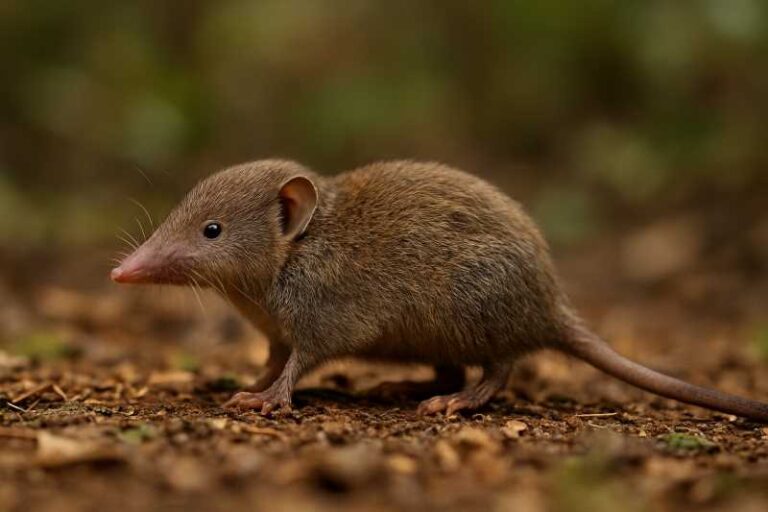
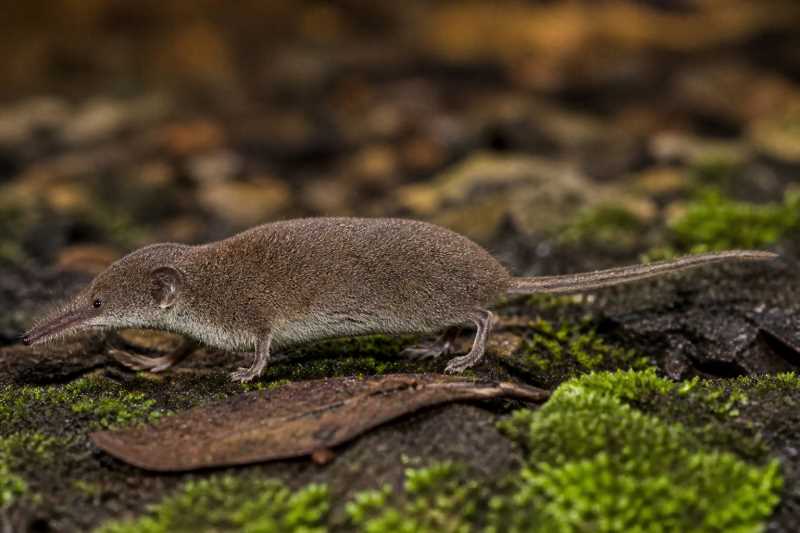
The Lowe’s Brown-toothed Shrew is characterized by its diminutive size and distinctive dental features. Typically, this species measures around 5 to 7 centimeters in length, with a tail accounting for an additional 4 to 5 centimeters. Its weight ranges from 6 to 9 grams, making it a truly petite mammal.
The fur of the Lowe’s Brown-toothed Shrew is a muted brown, providing effective camouflage in its natural habitat. Its fur is dense and soft, which helps it maintain body heat in cooler climates. The species gets its name from its brown-tinted teeth, a unique characteristic that distinguishes it from other shrews.
The shrew’s snout is elongated and flexible, aiding in foraging for food. Its eyes are small, adapted for low-light conditions, and its ears are inconspicuous, often hidden beneath the fur. The limbs of the Lowe’s Brown-toothed Shrew are short yet strong, supporting its burrowing lifestyle.
Range and Habitat
Lowe’s Brown-toothed Shrew is predominantly found in the montane forests of Southeast Asia. Its range extends across several countries, including China, Vietnam, and Laos. This species favors high-altitude environments, typically inhabiting areas that are 1,500 to 3,000 meters above sea level.
The shrew thrives in dense understory vegetation, where it can effectively hunt for insects and other small invertebrates. It is often found in moist habitats, such as along riverbanks and in areas with abundant leaf litter, which provide ample cover and foraging opportunities.
Behavior and Diet
The behavior of the Lowe’s Brown-toothed Shrew is primarily nocturnal, with peak activity occurring during the night. This nocturnal lifestyle helps it avoid predators and take advantage of cooler temperatures.
Its diet consists mainly of insects, worms, and other small invertebrates. The shrew uses its acute sense of smell to locate prey under leaf litter and in the soil. Despite its small size, the Lowe’s Brown-toothed Shrew has a high metabolism and must consume an amount of food nearly equal to its body weight each day to sustain its energy levels.
Social interactions among these shrews are limited outside of the breeding season, as they are primarily solitary creatures. During mating periods, however, these shrews become more vocal and active in seeking mates.
Identification Tips (Field Recognition Cues)
Identifying Lowe’s Brown-toothed Shrew in the field can be challenging due to its small size and elusive nature. However, there are several key features to look for:
- Size and Color: Look for a small mammal with a muted brown coat and brown-tinted teeth.
- Habitat: Focus on montane forests with dense vegetation and moist environments.
- Behavior: Observe nocturnal activity patterns and listen for high-pitched vocalizations during the breeding season.
- Tail Length: Note the proportion of the tail length to body length; the tail is often slightly shorter than the body.
Conservation Status (With Threats and Protections)
Currently, the conservation status of Lowe’s Brown-toothed Shrew is not well-documented, primarily due to its elusive nature and the challenges in studying small mammal populations. However, habitat destruction poses a significant threat to its survival. Deforestation for agriculture and urban development is reducing the available habitat for many montane forest species, including this shrew.
Conservation efforts for Lowe’s Brown-toothed Shrew include habitat protection and restoration projects. Establishing protected areas and promoting sustainable land-use practices are crucial for ensuring the survival of this species. Further research is necessary to better understand its population dynamics and ecological role.
Frequently Asked Questions
Why is this species unique?
Lowe’s Brown-toothed Shrew is unique due to its brown-tinted teeth, a characteristic that sets it apart from other shrew species. Additionally, its adaptation to high-altitude montane forests makes it a specialized member of its ecosystem.
What threats does this shrew face?
The primary threat to Lowe’s Brown-toothed Shrew is habitat destruction caused by deforestation and human encroachment. Protecting its montane forest habitat is essential for its survival.
How can I help conserve this species?
Supporting conservation organizations that work on habitat protection and restoration projects is a great way to help. Raising awareness about the importance of biodiversity and sustainable land-use practices also contributes to the conservation efforts.
What is the diet of Lowe’s Brown-toothed Shrew?
This shrew primarily feeds on insects, worms, and other small invertebrates. Its high metabolism requires it to consume a significant amount of food daily.
Where can I observe this shrew in the wild?
To observe Lowe’s Brown-toothed Shrew, visit montane forests in Southeast Asia, particularly in regions with dense vegetation and moist environments, such as riverbanks.
Related posts