Introduction
The Florida Least Shrew, scientifically known as Cryptotis floridanus, is a fascinating, albeit lesser-known, mammal that plays a crucial role in Florida’s ecosystem. This diminutive creature, often overshadowed by its more prominent Floridian counterparts such as the Florida panther or the manatee, is a master of survival in its unique habitat. As an insectivore, it contributes significantly to controlling insect populations, thereby maintaining ecological balance. Despite its importance, the Florida Least Shrew remains understudied and faces various conservation challenges that threaten its existence.
Physical Description
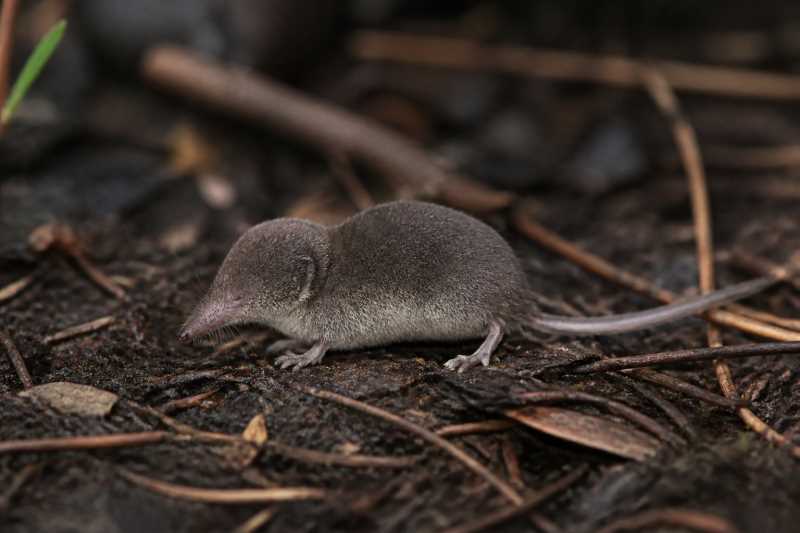
The Florida Least Shrew is among the smallest mammals, with an average body length of approximately 3 inches (7.6 cm) and a weight of less than 0.2 ounces (5 grams). Its diminutive size, coupled with a short tail, makes it an elusive species, difficult to spot in the wild. The shrew’s fur is generally a muted brown, blending seamlessly with its natural environment, providing excellent camouflage against predators.
Its head is characterized by a pointed snout, which is typical of shrews, and equipped with sensory whiskers that assist in navigating its subterranean world. The eyes are small, reflecting its limited reliance on vision, while its ears are nearly invisible, buried under the fur, helping it to detect vibrations and sounds more efficiently. The Florida Least Shrew’s dental formula is adapted to its insectivorous diet, featuring sharp, spike-like teeth ideal for capturing and consuming prey.
Range and Habitat
The Florida Least Shrew is endemic to Florida, with its range primarily restricted to the central and northern parts of the state. This species thrives in a variety of habitats, including pine flatwoods, dry prairies, and scrub areas. It prefers environments with a dense ground cover that provides protection from predators and ample foraging opportunities.
These shrews are often found in areas with sandy soils, which are easier for them to burrow into. Their burrowing behavior is essential for their survival, as it offers shelter from predators and extreme weather conditions. The presence of a healthy ground cover of grasses and herbs is crucial for the shrews, as it supports a diverse insect population that constitutes their primary food source.
Behavior and Diet
The Florida Least Shrew is predominantly nocturnal, spending its nights foraging for food. Its insectivorous diet primarily consists of ants, beetles, and other small invertebrates. The shrew’s high metabolic rate necessitates a voracious appetite, and it must consume approximately twice its body weight in food each day to sustain its energy levels.
These shrews are solitary creatures, and interactions with other individuals typically occur only during the breeding season. Breeding can occur multiple times a year, with a gestation period of around 21 days. Litters usually consist of three to six young, which are born blind and helpless, relying entirely on the mother for nourishment and protection until they are weaned.
The shrew’s elusive nature and rapid movements make it a challenging subject for study, contributing to the limited understanding of its behavioral patterns. However, it is known that the Florida Least Shrew uses a network of burrows and tunnels to traverse its environment, avoiding surface travel whenever possible to reduce predation risks.
Identification Tips (Field Recognition Cues)
Identifying the Florida Least Shrew in the field requires keen observation and an understanding of its preferred habitats. Here are some tips for recognizing this elusive mammal:
- Size and Shape: Look for a tiny mammal with a body length of about 3 inches and a short tail. Its small size and compact body are distinguishing features.
- Coloration: The shrew’s fur is typically a muted brown, providing camouflage against the forest floor and sandy soils.
- Behavior: Observe nocturnal activity and rapid, scurrying movements. Shrews are rarely seen during the day.
- Habitat: Search in dense ground cover within pine flatwoods, prairies, or scrub areas with sandy soils.
- Burrows and Tunnels: Look for signs of burrowing activity, such as small holes and disturbed soil, indicating the presence of a shrew’s underground network.
Conservation Status (with Threats and Protections)
The Florida Least Shrew is currently classified as a species of least concern by the International Union for Conservation of Nature (IUCN). However, its population is considered vulnerable due to habitat loss and fragmentation. Urban development, agriculture, and changes in land use are primary threats to its natural habitats.
Conservation efforts for the Florida Least Shrew involve protecting and restoring its habitat. Initiatives to preserve pine flatwoods and other critical environments are essential for maintaining healthy populations. Additionally, public awareness campaigns are crucial to educate communities about the importance of preserving the shrew’s habitat and the ecological role this tiny mammal plays.
Frequently Asked Questions
What do Florida Least Shrews eat?
Florida Least Shrews are insectivores, primarily consuming ants, beetles, and other small invertebrates. Their high metabolism requires them to eat frequently, consuming up to twice their body weight in food daily.
Where can I find the Florida Least Shrew in the wild?
These shrews are found in central and northern Florida, inhabiting pine flatwoods, dry prairies, and scrub areas. They prefer environments with dense ground cover and sandy soils, which facilitate their burrowing behavior.
How can I identify a Florida Least Shrew?
Look for a small mammal, about 3 inches long, with brown fur and a short tail. They are nocturnal and often found in habitats with dense ground cover. Their presence may be indicated by burrows and disturbed soil.
Are Florida Least Shrews endangered?
The Florida Least Shrew is not currently endangered, but its population is vulnerable due to habitat loss and fragmentation. Conservation efforts focus on habitat protection and restoration.
Why are Florida Least Shrews important to the ecosystem?
As insectivores, Florida Least Shrews play a crucial role in controlling insect populations, contributing to ecological balance. Their presence indicates a healthy ecosystem with diverse insect life.
Related posts