Introduction
Schaller’s Mouse Shrew, scientifically known as Myosorex schalleri, is a small mammalian species that belongs to the family Soricidae. This elusive creature is an important part of the biodiversity in the regions it inhabits, yet it remains relatively unknown to the general public. Understanding Schaller’s Mouse Shrew is crucial for appreciating the complexities of mammalian life and the ecosystems in which they exist. This article delves into the various aspects of Schaller’s Mouse Shrew, from its physical characteristics to its behaviors, habitat preferences, and the conservation challenges it faces.
Physical Description
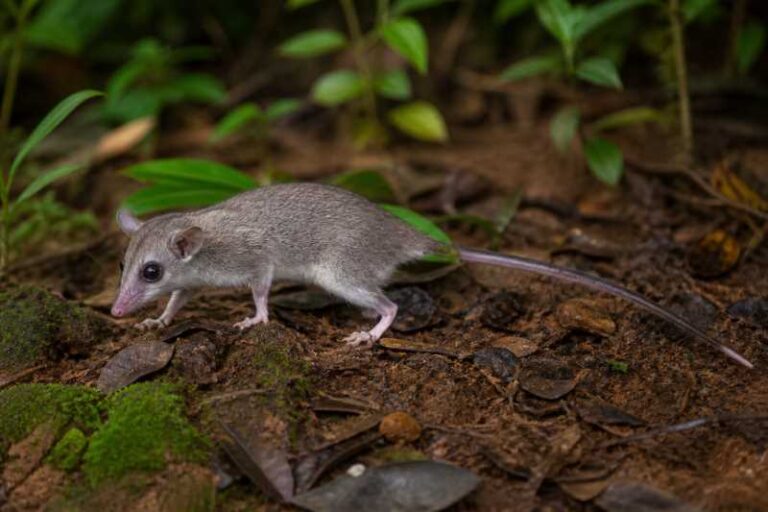
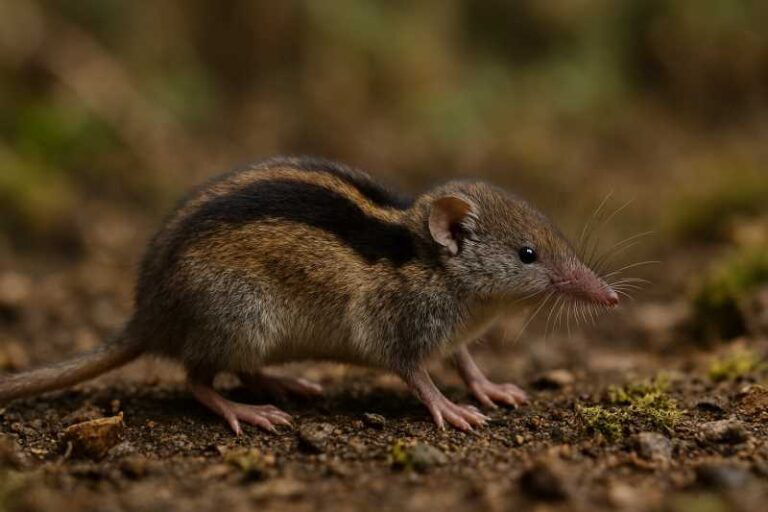
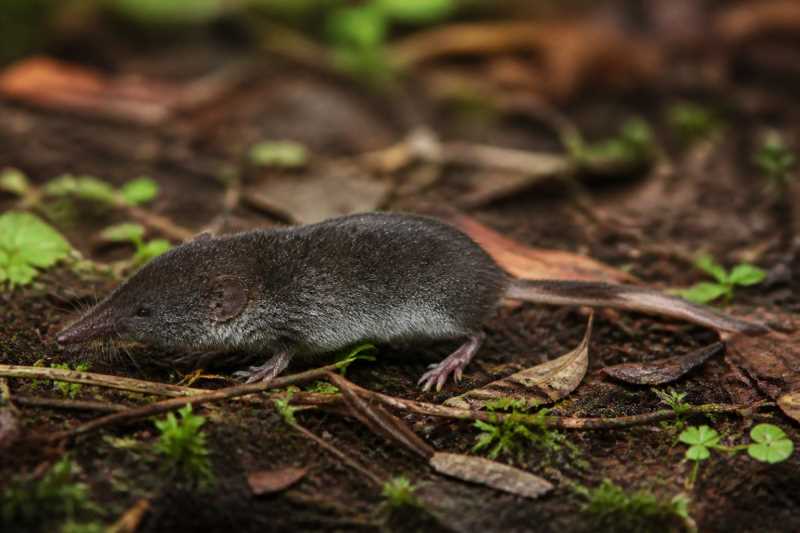
Schaller’s Mouse Shrew is a diminutive mammal, measuring approximately 5 to 10 centimeters in body length, excluding its tail, which can add an additional 4 to 6 centimeters. It has a slender, elongated body typical of the shrew family, aiding in its agile movements through underbrush and dense vegetation.
The fur of Schaller’s Mouse Shrew is typically a muted brown or gray, providing effective camouflage against the forest floor. This coloration helps it blend into its natural habitat, minimizing the risk of predation. Its fur is dense and velvety, offering protection against the elements and helping to maintain its body temperature.
A distinctive feature of the Schaller’s Mouse Shrew is its pointed snout, which is equipped with sensitive whiskers. These whiskers are essential for navigating its environment and locating food. Its small, beady eyes are adapted for low-light conditions, allowing it to forage effectively during the twilight hours. The ears are proportionately small and rounded, further contributing to its streamlined appearance.
Range and Habitat
Schaller’s Mouse Shrew is indigenous to the montane forests of Central Africa, with confirmed populations in countries such as Uganda and Rwanda. These regions provide the cool, moist environments that the species prefers, thriving in altitudes ranging from 1,500 to 3,000 meters above sea level.
The species is usually found in dense, wet forest environments where undergrowth is abundant. These habitats offer ample cover and a rich supply of invertebrates, which constitute the bulk of the shrew’s diet. Schaller’s Mouse Shrew has also been observed in secondary forests, indicating some adaptability to habitat changes, although primary, undisturbed forests are its preferred environment.
Behavior and Diet
As a primarily nocturnal animal, Schaller’s Mouse Shrew is most active during the night and twilight hours, avoiding the heat of the day. This behavior reduces the risk of predation and dehydration. The shrew is a solitary creature, with each individual maintaining a territory that it defends aggressively against intruders.
The diet of Schaller’s Mouse Shrew consists mainly of insects and other invertebrates. It is an opportunistic feeder, consuming a variety of prey items such as beetles, worms, and spiders. Its keen sense of smell and touch aids in detecting these prey items beneath the leaf litter and in the soil.
Identification Tips (Field Recognition Cues)
Identifying Schaller’s Mouse Shrew in the wild can be challenging due to its small size and secretive nature. However, there are several field recognition cues that can aid in its identification:
- Size and Shape: Look for a small, mouse-like creature with a long pointed snout and a slim, elongated body.
- Fur Color: Note the brown or gray fur that blends with the forest floor.
- Behavior: Observe the animal’s foraging pattern during twilight or nighttime.
- Habitat: Identify areas of dense, moist montane forest, as these are the shrew’s preferred habitats.
Conservation Status (with Threats and Protections)
Currently, Schaller’s Mouse Shrew is listed as a species of Least Concern by the IUCN Red List, due to its relatively wide range and presumed large population. However, this status does not mean the species is free from threats. Habitat destruction due to logging, agricultural expansion, and human settlement poses significant risks to its survival.
Conservation efforts are essential to safeguarding the future of Schaller’s Mouse Shrew. Protected areas within its range, such as national parks and reserves, play a crucial role in maintaining suitable habitats. Ongoing research and monitoring are vital for understanding population trends and the impacts of environmental changes.
Frequently Asked Questions
1. What is the natural habitat of Schaller’s Mouse Shrew?
Schaller’s Mouse Shrew naturally inhabits montane forests in Central Africa, particularly in regions with dense and moist undergrowth.
2. How does Schaller’s Mouse Shrew find its food?
It uses its acute sense of smell and sensitive whiskers to detect insects and invertebrates hidden in leaf litter and soil.
3. What threats does Schaller’s Mouse Shrew face?
The primary threats include habitat destruction due to logging, agricultural activities, and human encroachment.
4. Is Schaller’s Mouse Shrew a solitary animal?
Yes, it is a solitary animal, with individuals maintaining and defending their own territories.
5. What conservation measures are in place for Schaller’s Mouse Shrew?
Conservation measures include habitat protection through national parks and reserves, as well as ongoing research and monitoring efforts.
Related posts