Introduction
The Southern Elongated White-toothed Shrew, scientifically known as Crocidura quasielongata, is a fascinating mammal species that captivates biologists and wildlife enthusiasts alike. This elusive creature is part of the Soricidae family, which comprises numerous shrew species known for their small size and insectivorous diet. Despite its diminutive stature, the Southern Elongated White-toothed Shrew plays a vital role in its ecosystem, contributing to insect population control and serving as prey for larger predators.
Understanding the Southern Elongated White-toothed Shrew involves delving into its physical characteristics, habitat preferences, and behavior. This article aims to provide comprehensive insights into this species, highlighting the importance of its conservation amidst growing environmental threats.
Physical Description
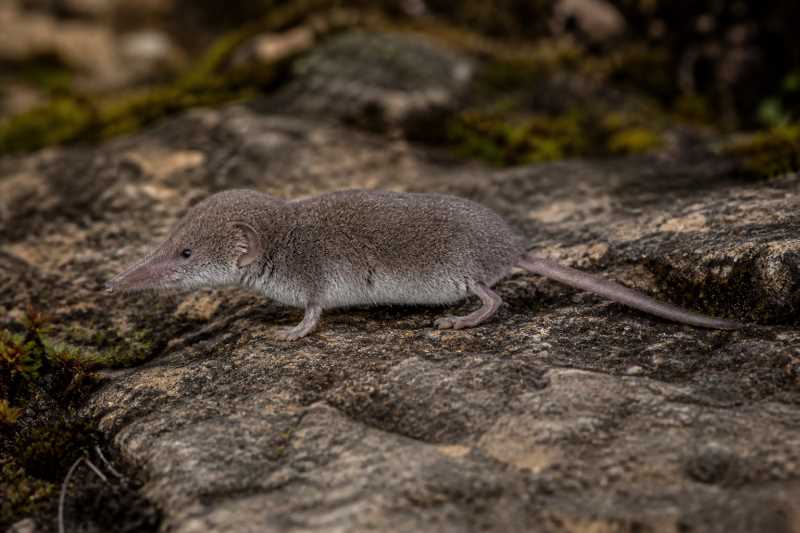
The Southern Elongated White-toothed Shrew is characterized by its small, streamlined body, which typically measures between 6 to 8 centimeters in length, excluding the tail. The tail itself adds an additional 4 to 6 centimeters, making it proportionally longer than in many other shrew species. This species is named for its distinctive white teeth, a feature that sets it apart from other shrews with pigmented teeth.
The fur of Crocidura quasielongata is soft and dense, providing insulation and protection against the elements. The coloration ranges from a muted gray to brown on the dorsal side, while the ventral side is lighter, often a creamy white. This coloration provides effective camouflage in their natural habitat, aiding in predator avoidance.
Range and Habitat
The Southern Elongated White-toothed Shrew is predominantly found in Southern Europe and parts of North Africa. Its range extends across various countries, including Italy, Greece, and Tunisia, where it inhabits diverse environments. The species thrives in temperate woodlands, shrublands, and grasslands, favoring areas with abundant ground cover and moist soil.
This shrew is particularly adept at adapting to different habitats, although it shows a preference for areas that provide ample insect prey. Its presence is often an indicator of a healthy ecosystem, as it requires a balanced habitat to sustain its dietary and shelter needs.
Behavior and Diet
The behavior of the Southern Elongated White-toothed Shrew is typical of many shrew species. It is primarily nocturnal, although it may exhibit crepuscular activity. This means it is most active during the night and twilight hours, reducing exposure to predators.
The diet of Crocidura quasielongata is predominantly insectivorous, consisting mainly of insects, spiders, and other small invertebrates. It uses its acute sense of smell and hearing to locate prey, often foraging through leaf litter and undergrowth. The shrew’s rapid metabolism necessitates frequent feeding, and it is known to consume up to twice its body weight in food daily.
Identification Tips (Field Recognition Cues)
Identifying the Southern Elongated White-toothed Shrew in the field requires attention to several key characteristics:
- Size and Shape: Look for a small mammal with an elongated body and a proportionally long tail.
- Fur Coloration: Note the gray to brown dorsal fur with a lighter, creamy ventral side.
- Teeth: The white, unpigmented teeth are a distinctive feature.
- Behavior: Observe the shrew’s nocturnal activity and rapid movements while foraging.
Conservation Status (With Threats and Protections)
Currently, the Southern Elongated White-toothed Shrew is not listed as endangered, although it faces several threats that could impact its population. Habitat destruction, primarily due to agricultural expansion and urbanization, poses a significant risk. Additionally, climate change and pesticide use threaten the insect populations that constitute the shrew’s primary food source.
Conservation efforts focus on habitat preservation and promoting sustainable agricultural practices. Protecting natural areas where the shrew is found and maintaining ecological balance are crucial steps in ensuring the species’ survival. Legal protections in some regions aim to mitigate habitat loss and encourage biodiversity.
Frequently Asked Questions
1. What does the Southern Elongated White-toothed Shrew eat? The Southern Elongated White-toothed Shrew primarily feeds on insects and small invertebrates, using its keen sense of smell to locate prey.
2. Where can the Southern Elongated White-toothed Shrew be found? This shrew species is found in Southern Europe and North Africa, inhabiting woodlands, shrublands, and grasslands.
3. How can I identify a Southern Elongated White-toothed Shrew? Look for its small size, long tail, gray to brown fur, and distinctive white teeth. It is most active during the night.
4. Is the Southern Elongated White-toothed Shrew endangered? While not currently endangered, it faces threats from habitat destruction and climate change, necessitating conservation efforts.
5. How does the Southern Elongated White-toothed Shrew contribute to the ecosystem? It helps control insect populations and serves as prey for larger animals, playing a crucial role in the food chain.
Related posts