Introduction
The Katinka’s White-toothed Shrew, scientifically known as Crocidura katinka, is a fascinating species within the Soricidae family. Though small in stature, this shrew plays a significant role in its ecosystem. Despite its importance, many aspects of its life remain shrouded in mystery, largely due to its elusive nature and the remote habitats it occupies. This article aims to shed light on the various facets of Katinka’s White-toothed Shrew, from its physical characteristics to its habitat preferences, behavior, and conservation status.
Physical Description
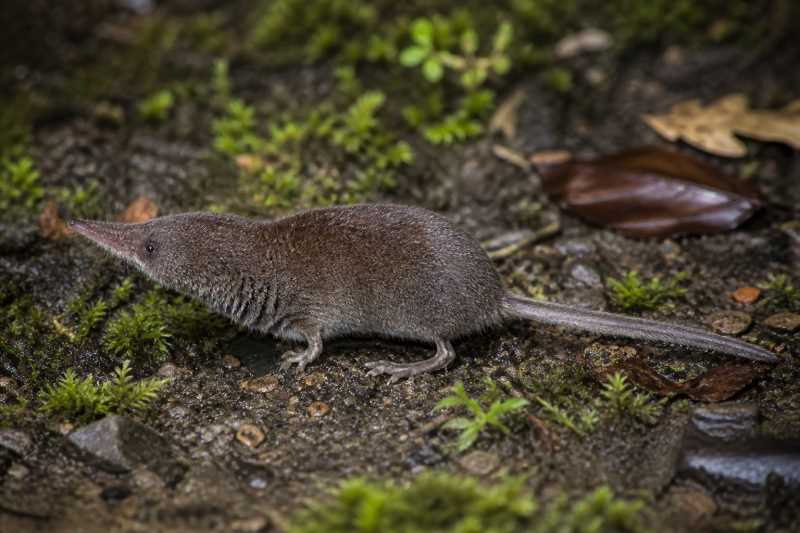
Katinka’s White-toothed Shrew is a small mammalian species, typically measuring between 6 to 9 centimeters in length, excluding its tail, which can add another 4 to 6 centimeters. The average weight of this species ranges from 5 to 12 grams, making it one of the lighter members of the shrew family.
The shrew is characterized by its velvety fur, which is generally grayish-brown on the dorsal side and lighter, often whitish, on the ventral side. One of the most distinctive features of this species is its white teeth, a trait that not only influences its common name but also aids in distinguishing it from other shrews. The snout is long and pointed, a typical feature in shrews, which aids in foraging for food. Additionally, its small, rounded ears are often hidden within its fur, and its eyes are relatively small, reflecting its reliance on other senses such as touch and smell.
Range and Habitat
The natural range of Katinka’s White-toothed Shrew is relatively limited, predominantly found in specific regions of Southeast Asia. The exact distribution is still under study, but sightings and research indicate its presence in dense forested areas, often in regions with high humidity and abundant leaf litter. These habitats offer the shrew ample food sources and protection from predators.
The species thrives in lowland tropical forests, often preferring undisturbed habitats where human interference is minimal. However, deforestation and habitat fragmentation pose significant threats to their natural environments, potentially restricting their range further.
Behavior and Diet
Katinka’s White-toothed Shrew is primarily nocturnal, engaging in most of its activities under the cover of darkness. This behavior not only helps avoid predators but also aligns with the activity patterns of many of its prey species.
The shrew’s diet mainly consists of insects and other small invertebrates, including worms, spiders, and occasionally small vertebrates. Its keen sense of smell and touch allows it to forage efficiently through the forest floor, detecting prey hidden beneath leaf litter and soil. The rapid metabolism of this small mammal necessitates frequent feeding, often consuming its body weight in food each day.
Socially, the shrew is largely solitary except during mating periods. Communication between individuals is believed to occur through a combination of vocalizations, scent markings, and tactile interactions.
Identification Tips
Identifying Katinka’s White-toothed Shrew in the field can be challenging due to its small size and elusive nature. However, there are several cues that can assist observers:
- Size and Shape: Look for a small, mouse-sized mammal with a distinctive elongated snout and relatively short limbs.
- Fur Coloration: Note the contrast between the grayish-brown dorsal fur and the lighter, often whitish underbelly.
- Teeth: If close observation is possible, the white teeth are a key distinguishing feature from other shrew species that may have red-tipped teeth.
- Habitat: Focus on undisturbed, dense forest areas, particularly regions with abundant leaf litter where the shrew is likely to forage.
- Activity Patterns: Observations are more likely during the night or early morning, correlating with the shrew’s nocturnal habits.
Conservation Status
The conservation status of Katinka’s White-toothed Shrew is currently not well-documented, primarily due to its limited distribution and the challenges associated with studying such an elusive species. However, its habitat is under threat from several anthropogenic factors.
Threats
- Habitat Loss: Deforestation for agriculture, logging, and urban development is the most significant threat, leading to habitat fragmentation.
- Pollution: Agricultural runoff and pollution can degrade the quality of the shrew’s natural habitat, impacting its food sources.
- Climate Change: Changes in climate patterns could alter the shrew’s habitat, affecting its ability to find food and shelter.
Protections
Conservation efforts for Katinka’s White-toothed Shrew are limited but could benefit from broader forest conservation initiatives. Establishing protected areas and promoting sustainable land-use practices are crucial steps in safeguarding its habitat.
Frequently Asked Questions
What is the primary diet of Katinka’s White-toothed Shrew?
Katinka’s White-toothed Shrew primarily feeds on insects and small invertebrates. Its diet includes worms, spiders, and occasionally small vertebrates, reflecting its role as an insectivore in the ecosystem.
How can you identify a Katinka’s White-toothed Shrew in the wild?
Key identification features include its small size, elongated snout, grayish-brown dorsal fur with a lighter underbelly, and distinctive white teeth. Observing these characteristics in dense forest habitats can help in identification.
What threats does Katinka’s White-toothed Shrew face?
The main threats include habitat loss due to deforestation, pollution, and the broader impacts of climate change. These factors contribute to habitat fragmentation and degradation, affecting the shrew’s survival.
Are there any conservation efforts in place for Katinka’s White-toothed Shrew?
While specific conservation measures for this shrew are limited, it can benefit from general forest conservation efforts that aim to preserve its natural habitat through protected areas and sustainable land management.
What is the typical habitat of Katinka’s White-toothed Shrew?
This species typically inhabits lowland tropical forests with high humidity and abundant leaf litter, often in regions where human disturbance is minimal.
Related posts