Introduction
The Giant Blind Mole-rat (Spalax giganteus) is a fascinating subterranean rodent species that captivates biologists and nature enthusiasts alike due to its unique adaptations to a life underground. Part of the Spalacidae family, this elusive mammal is an excellent subject for study, offering insights into evolutionary biology, ecology, and conservation. Known for its distinctive features and specialized lifestyle, the Giant Blind Mole-rat plays a crucial role in its ecosystem, contributing to soil aeration and nutrient cycling.
Physical Description
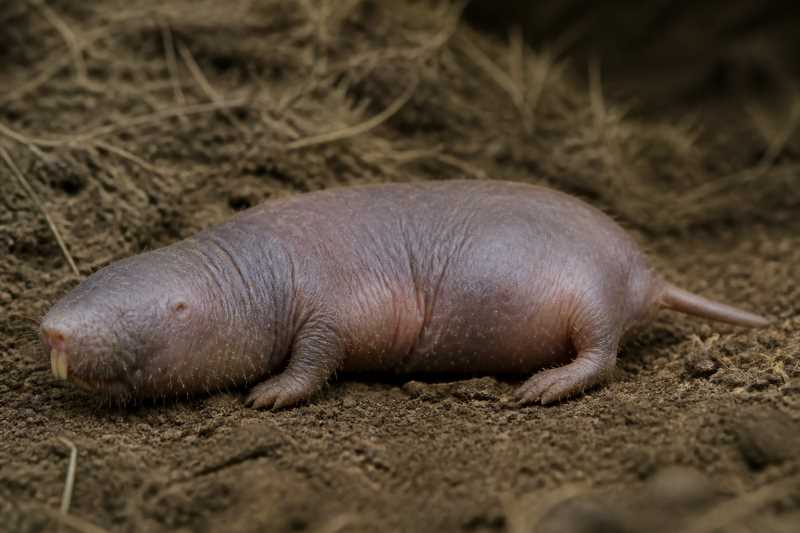
The Giant Blind Mole-rat measures between 25 and 32 centimeters in length and weighs approximately 700 to 1,000 grams, making it one of the largest species within the Spalax genus. As its name suggests, the Giant Blind Mole-rat has highly reduced eyes covered by a layer of skin, rendering it effectively blind. This adaptation is a response to its subterranean lifestyle, where vision is less necessary than other senses.
Its body is cylindrical and robust, equipped with powerful forelimbs and large, sharp claws designed for efficient digging. The head is flat and wedge-shaped, aiding in its burrowing activities. The fur of the Giant Blind Mole-rat is dense and soft, typically ranging in color from grey to brown, which helps to insulate it from the cold underground environment.
Range and Habitat
The Giant Blind Mole-rat is predominantly found in the steppes and semi-arid regions of Eastern Europe, particularly in southern Russia and parts of Ukraine. This species thrives in areas with loose, fertile soil, which facilitates its digging and tunneling behavior. The habitat selection of the Giant Blind Mole-rat is closely tied to the availability of suitable soil structure and the presence of sufficient vegetation for feeding.
These mole-rats are known to inhabit grasslands, agricultural fields, and occasionally, forest edges. Their underground burrows can extend several meters in length and are complex networks that provide shelter, food storage, and protection from predators.
Behavior and Diet
Giant Blind Mole-rats are solitary creatures, spending most of their lives within their extensive burrow systems. They exhibit a highly territorial behavior, with each individual maintaining its own burrow. Communication between individuals is infrequent and primarily involves vocalizations and physical contact during the breeding season.
The diet of the Giant Blind Mole-rat is primarily herbivorous, consisting of roots, tubers, bulbs, and occasionally, above-ground vegetation. Their foraging behavior is adapted to their subterranean lifestyle, where they rely on their acute sense of touch and smell to locate food sources. These mole-rats are known to store food within their burrows, ensuring a reliable supply during scarce periods.
Identification Tips
Identifying the Giant Blind Mole-rat in the field can be challenging due to its underground lifestyle. However, several cues can aid in recognition:
- Burrow Openings: Look for circular or oval-shaped mounds of soil, which indicate burrow entrances or exits.
- Soil Displacement: Freshly dug earth and disturbed soil are signs of recent mole-rat activity.
- Vocalizations: During the breeding season, listen for low-pitched grunts or squeaks emanating from below ground.
Observations are best conducted in areas with minimal human disturbance, where mole-rat activity is more pronounced.
Conservation Status
The conservation status of the Giant Blind Mole-rat is currently listed as "Vulnerable" by the International Union for Conservation of Nature (IUCN). The primary threats to this species include habitat destruction due to agricultural expansion, urbanization, and infrastructure development. Additionally, the use of pesticides and rodenticides poses significant risks to their populations.
Conservation efforts are focused on habitat protection and the establishment of protected areas to safeguard critical habitats. Public awareness campaigns are also vital in promoting coexistence with local human populations.
Frequently Asked Questions
1. How do Giant Blind Mole-rats navigate underground without vision?
Giant Blind Mole-rats rely on their acute senses of touch and smell to navigate their subterranean environments. They have highly sensitive whiskers and tactile hairs that detect vibrations and changes in their surroundings, allowing them to move efficiently through their burrow systems.
2. What role do Giant Blind Mole-rats play in their ecosystem?
Giant Blind Mole-rats contribute significantly to their ecosystems by aerating the soil, which enhances nutrient cycling and promotes plant growth. Their burrowing activities also help to maintain soil structure and reduce soil compaction.
3. Are Giant Blind Mole-rats social animals?
No, Giant Blind Mole-rats are primarily solitary animals. They maintain individual burrow systems and exhibit territorial behavior, with interactions between individuals occurring mainly during the breeding season.
4. What is the breeding season for Giant Blind Mole-rats?
The breeding season for Giant Blind Mole-rats typically occurs in the late winter to early spring months. During this time, males and females will communicate and come together to mate before returning to their solitary lifestyles.
5. How can we help conserve Giant Blind Mole-rats?
Conservation efforts can be supported by promoting and participating in habitat protection initiatives, reducing pesticide use, and spreading awareness about the ecological importance of the Giant Blind Mole-rat. Supporting local and international conservation organizations can also make a significant impact.
Related posts