Introduction
The Qinling Zokor, scientifically known as Eospalax rufescens, is a fascinating underground mammal native to the mountainous regions of China. As a member of the family Spalacidae, the Qinling Zokor has adapted exceptionally well to a subterranean lifestyle, showcasing a range of unique physical and behavioral traits that make it an intriguing subject for both scientists and wildlife enthusiasts alike. This article delves into various aspects of the Qinling Zokor, including its physical characteristics, natural habitat, behaviors, and conservation status.
Physical Description
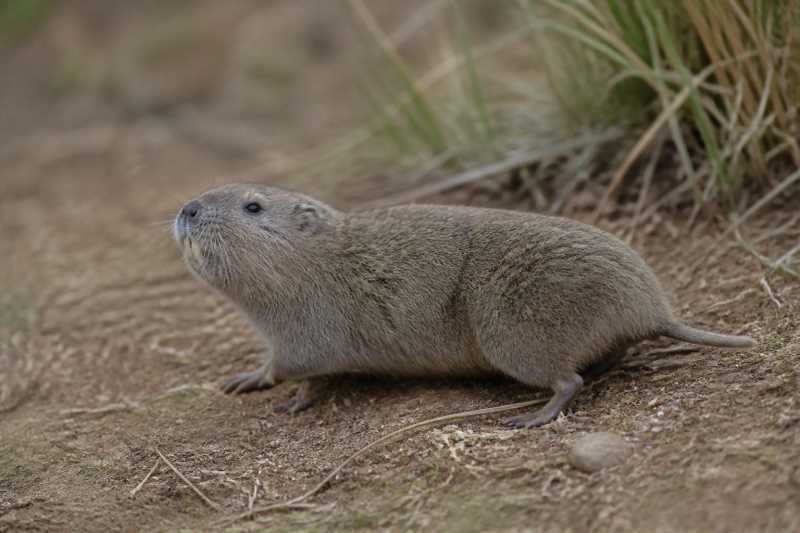
The Qinling Zokor is a medium-sized rodent with a body length ranging from 15 to 20 centimeters, and it typically weighs between 150 and 250 grams. Its most distinctive feature is its robust, cylindrical body, which is perfectly adapted for life underground. The fur of the Qinling Zokor is dense and soft, providing insulation against the cold subterranean environment. Fur color varies from a reddish-brown to a more muted gray-brown, which helps it blend into the earth.
The head of the Qinling Zokor is broad and equipped with small eyes, which are functional but not well-suited for strong light, reflecting its adaptation to a life spent mostly in darkness. It has powerful forelimbs with long claws, which are essential for digging. The hind limbs are shorter but strong, aiding in pushing soil out of tunnels. The tail is short and sparsely furred, serving little purpose in its subterranean life.
Range and Habitat
The Qinling Zokor is endemic to China, primarily found in the Qinling Mountains, which stretch across the central part of the country. This region provides an ideal environment for the species, characterized by temperate deciduous forests and grasslands. The elevation range where the Qinling Zokor is typically found varies from 1,200 to 3,000 meters, providing a cool climate year-round.
This zokor prefers loose, well-drained soils that facilitate easy digging and tunneling. It constructs elaborate burrow systems that can extend up to several meters underground, with multiple chambers for nesting, food storage, and waste disposal. The burrows offer protection from predators and extreme weather, making them essential for the zokor’s survival.
Behavior and Diet
The Qinling Zokor is a solitary and territorial animal, with each individual maintaining its own burrow system. It is primarily nocturnal, emerging at night to forage and perform maintenance on its tunnels. The diet of the Qinling Zokor is herbivorous, consisting mainly of roots, tubers, and the underground parts of plants. This diet is well-suited to its underground lifestyle, allowing it to gather and store food efficiently.
Despite its solitary nature, the Qinling Zokor communicates with conspecifics through a series of vocalizations and by drumming on the ground with its forelimbs. These behaviors are crucial for mating and territorial disputes. During the breeding season, which occurs in the spring, males will expand their territories in search of females, engaging in brief but intense encounters.
Identification Tips
Identifying the Qinling Zokor in the field can be challenging due to its subterranean habits. However, there are several cues that can aid in recognition:
- Burrow Entrances: Look for fresh soil mounds and tunnel entrances, which are indicative of zokor activity.
- Vocalizations: Listen for the distinctive drumming sounds and vocal calls, especially during the breeding season.
- Habitat Signs: Examine areas with loose, well-drained soils and above-ground plant damage, which may indicate foraging activity.
- Physical Sightings: If sighted above ground, note the robust body, small eyes, and reddish-brown fur, which are characteristic of the species.
Conservation Status
The Qinling Zokor is currently listed as a species of Least Concern by the International Union for Conservation of Nature (IUCN). However, like many species, it faces threats that could impact its population in the future. The primary threats include habitat loss due to agricultural expansion and deforestation, as well as potential climate change effects altering its mountainous habitat.
Protective measures for the Qinling Zokor are not extensive, but it benefits from residing in several protected areas within the Qinling Mountains. Continued monitoring of its population and habitat, as well as research into its ecological role, are crucial for ensuring its long-term survival.
Frequently Asked Questions
1. What is the Qinling Zokor’s primary diet?
The Qinling Zokor primarily feeds on roots, tubers, and other underground plant parts, which it accesses through its extensive burrow systems.
2. How does the Qinling Zokor adapt to its underground lifestyle?
The Qinling Zokor has developed a robust body, powerful forelimbs, and small eyes, all of which are adaptations for living and navigating underground.
3. Where can the Qinling Zokor be found?
The Qinling Zokor is endemic to the Qinling Mountains in China, inhabiting areas with loose, well-drained soils within temperate forests and grasslands.
4. What are the main threats to the Qinling Zokor’s survival?
The main threats include habitat loss due to agricultural and deforestation activities, as well as the potential impacts of climate change.
5. How can the Qinling Zokor be identified in the wild?
Identifying the Qinling Zokor involves looking for signs such as fresh soil mounds, tunnel entrances, and listening for vocalizations and drumming sounds.
Related posts