Introduction
The Himalayan White-bellied Rat (Niviventer niviventer) is a fascinating species of rodent that inhabits the mountainous regions of South Asia. Known for its distinctive white underbelly, this species plays a crucial role in the ecosystem as both a prey item and a seed disperser. Despite its ecological importance, the Himalayan White-bellied Rat is often overshadowed by larger, more charismatic mammals of the Himalayas. This article aims to shed light on this intriguing species by exploring its physical characteristics, habitat, behavior, and conservation status.
Physical Description
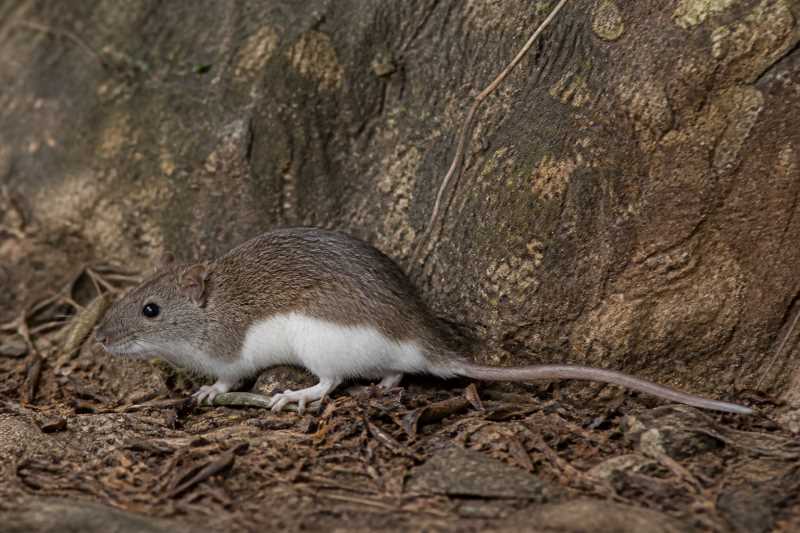
The Himalayan White-bellied Rat is a medium-sized rodent with a body length ranging from 15 to 20 centimeters, excluding the tail, which can add an additional 18 to 22 centimeters. The species is characterized by its soft, dense fur that is typically grayish-brown on the dorsal side and stark white on the ventral side, giving it the "white-bellied" moniker. The tail is long and covered with fine hairs, usually matching the body in color but occasionally darker.
The species possesses large, rounded ears and relatively small eyes, adaptations that reflect its nocturnal lifestyle. Its limbs are slender but strong, with sharp claws that facilitate climbing and digging. The dental formula includes prominent incisors that are essential for gnawing through tough plant material and seeds.
Range and Habitat
The Himalayan White-bellied Rat is found predominantly in the Himalayan mountain range, spanning across countries such as Nepal, Bhutan, northern India, and parts of Tibet. This species thrives in a variety of habitats within this range, from temperate forests to alpine meadows and rocky outcrops. It is typically found at elevations between 1,500 and 4,000 meters, where it navigates the rugged terrain with ease.
Forested areas with abundant undergrowth provide the ideal environment for the Himalayan White-bellied Rat, offering both food sources and protection from predators. These habitats are rich in shrubs, small trees, and a variety of grasses, which constitute the primary food sources for this species.
Behavior and Diet
Primarily nocturnal, the Himalayan White-bellied Rat is most active during the night when it forages for food. Its diet is omnivorous, consisting of seeds, fruits, leaves, and occasionally small insects. The species plays a vital role in seed dispersal, aiding in the propagation of various plant species within its habitat.
Social behavior in the Himalayan White-bellied Rat is relatively solitary, although individuals may be seen foraging together during abundant food availability. They communicate through a range of vocalizations and scent markings, which help establish territory and attract mates. Breeding occurs throughout the year, with peaks during the spring and autumn months.
Identification Tips
Identifying the Himalayan White-bellied Rat can be challenging due to its similarity to other rodent species in the region. However, certain field recognition cues can aid in accurate identification:
- White Underbelly: The stark contrast between the grayish-brown back and the white belly is a key distinguishing feature.
- Tail Length: The tail is often longer than the body, which is a notable characteristic of this species.
- Ear Size: Large, rounded ears are a distinguishing feature, particularly when compared to other local rodent species.
- Habitat: Observing the species in its preferred habitats at the specified elevation ranges can aid in identification.
Conservation Status
The conservation status of the Himalayan White-bellied Rat is currently classified as "Least Concern" by the IUCN Red List. However, this does not imply that the species faces no threats. Habitat destruction due to deforestation, agricultural expansion, and human encroachment poses significant risks. Climate change also threatens to alter the delicate balance of the high-altitude ecosystems where this species thrives.
Efforts to protect the Himalayan White-bellied Rat include habitat preservation and reforestation projects. Protected areas and national parks within its range provide some level of protection, but ongoing monitoring and conservation efforts are essential to ensure the long-term survival of this species.
Frequently Asked Questions
What is the primary diet of the Himalayan White-bellied Rat?
The Himalayan White-bellied Rat is omnivorous, with a diet that consists mainly of seeds, fruits, leaves, and occasionally small insects. It plays a crucial role in seed dispersal within its habitat.
Where can the Himalayan White-bellied Rat be found?
This species is predominantly found in the Himalayan mountain range, across countries such as Nepal, Bhutan, northern India, and parts of Tibet, typically at elevations between 1,500 and 4,000 meters.
How does the Himalayan White-bellied Rat contribute to its ecosystem?
The Himalayan White-bellied Rat contributes to its ecosystem by acting as a prey species for predators and facilitating seed dispersal, which helps maintain plant diversity and forest regeneration.
What are the main threats to the Himalayan White-bellied Rat?
The primary threats to this species include habitat destruction due to deforestation and agricultural expansion, as well as climate change impacts that alter its high-altitude habitats.
How can one identify the Himalayan White-bellied Rat in the wild?
Key identification features include its white underbelly, long tail, large rounded ears, and its presence in high-altitude forested habitats within the Himalayas.
Related posts