Tullberg’s Soft-furred Mouse (Praomys tullbergi): An In-depth Overview
Introduction
Tullberg’s Soft-furred Mouse, scientifically known as Praomys tullbergi, is a small mammalian species that plays a crucial role in the ecosystems of western and central Africa. This nocturnal rodent is part of the Muridae family, which includes other well-known rodents such as mice and rats. Despite its modest size, Praomys tullbergi is integral to its habitat, contributing to seed dispersal and serving as prey for various predators. In this article, we explore the physical characteristics, habitat, behavior, and conservation status of this fascinating species, providing insights for wildlife enthusiasts and researchers alike.
Physical Description
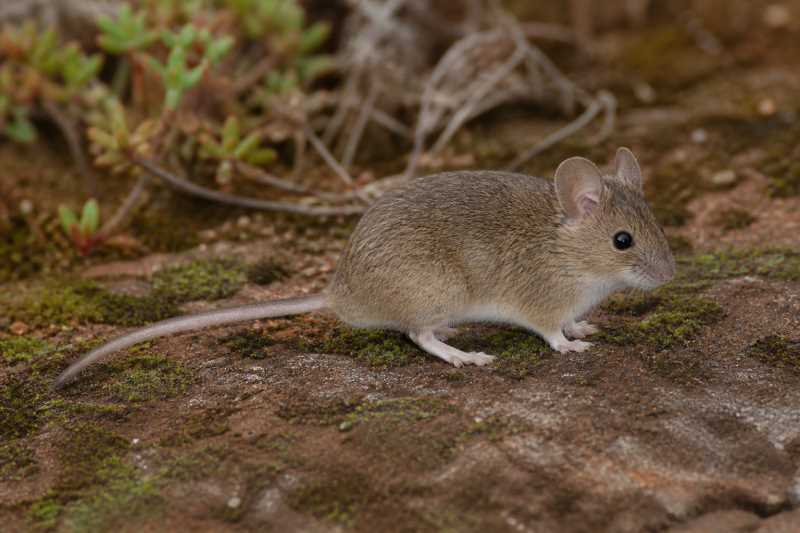
Tullberg’s Soft-furred Mouse is aptly named for its soft, dense fur that provides excellent insulation against varying temperatures in its habitat. The fur is typically a rich brown color on the dorsal side, gradually transitioning to a lighter, cream-colored underbelly. This coloration provides a degree of camouflage against the forest floor, aiding in its survival.
Adults of the species usually measure between 8 to 12 centimeters in body length, with a tail that often matches or slightly exceeds the body length, enhancing their agility and balance. The tail is sparsely furred and darker than the body, often appearing slightly scaled. Their ears are medium-sized and round, providing acute hearing capabilities, essential for detecting predators and navigating in low-light conditions.
The eyes of Praomys tullbergi are relatively large, indicating its nocturnal nature, as they are adapted for low-light environments. Their small, pointed snout is equipped with whiskers that aid in navigation and sensory perception, allowing them to detect vibrations and changes in their surroundings.
Range and Habitat
Tullberg’s Soft-furred Mouse is predominantly found across the tropical regions of western and central Africa. Its range includes countries like Nigeria, Cameroon, Ghana, Ivory Coast, and parts of the Democratic Republic of the Congo. The species thrives in humid, tropical forest environments where dense undergrowth provides ample cover and foraging opportunities.
These mice prefer lowland and montane forests, often being found near streams or other water sources. They are highly adaptable and can occasionally be found in secondary forests and disturbed habitats, although primary forests remain their preferred environment due to the abundance of food and hiding places.
Behavior and Diet
Tullberg’s Soft-furred Mouse is primarily nocturnal, spending its nights foraging for food and its days resting in burrows or dense vegetation. The species is solitary, with individuals typically only coming together for breeding purposes.
Their diet is omnivorous, consisting of seeds, fruits, insects, and small invertebrates. This varied diet allows them to adapt to seasonal changes in food availability. Their role as seed dispersers is particularly important in maintaining the health of their forest ecosystems.
These mice are known for their agility and speed, which serve as vital defenses against predators, such as snakes, birds of prey, and small carnivorous mammals. When threatened, they rely on their ability to quickly dart into the underbrush or burrows to escape danger.
Identification Tips (Field Recognition Cues)
Identifying Praomys tullbergi in the field requires attention to specific characteristics. Key identification tips include:
- Fur Texture and Color: Look for soft, dense fur with a brown to cream gradient.
- Tail: A tail length equal to or exceeding body length, darker in color, and slightly scaled.
- Size: Body length ranging from 8 to 12 centimeters, with a proportionate head and body.
- Ears and Eyes: Medium-sized, rounded ears and relatively large eyes.
- Behavior: Observe nocturnal activity patterns and a preference for dense forest undergrowth.
Conservation Status (With Threats and Protections)
The conservation status of Tullberg’s Soft-furred Mouse is currently listed as Least Concern by the International Union for Conservation of Nature (IUCN). However, like many forest-dependent species, it faces threats primarily from habitat loss due to deforestation and agricultural expansion.
Logging activities, urban development, and the conversion of forests into farmland are significant concerns, leading to habitat fragmentation. This fragmentation not only reduces the available habitat but can also isolate populations, making them more vulnerable to inbreeding and local extinctions.
Efforts to protect this species are largely focused on preserving their natural habitats. Establishing protected areas and promoting sustainable land-use practices are crucial steps in mitigating habitat loss. Conservation organizations are also working to raise awareness about the ecological role of rodents like Praomys tullbergi, emphasizing their importance in forest ecosystems.
Frequently Asked Questions
What is Tullberg’s Soft-furred Mouse’s role in the ecosystem?
Tullberg’s Soft-furred Mouse plays a vital role in its ecosystem primarily through seed dispersal and serving as prey for a variety of predators. Its activities help maintain the health and diversity of tropical forest environments.
How can I identify Tullberg’s Soft-furred Mouse in the wild?
Identification can be done by observing its soft, dense fur with a brown to cream color gradient, a tail that matches or exceeds the body length, and its nocturnal behavior patterns.
Are there any conservation efforts in place for Tullberg’s Soft-furred Mouse?
Yes, conservation efforts focus on habitat preservation, including establishing protected areas and promoting sustainable land-use practices to prevent deforestation and habitat fragmentation.
What threats does Tullberg’s Soft-furred Mouse face?
The primary threats include habitat loss due to deforestation, agricultural expansion, and urban development, which lead to habitat fragmentation and population isolation.
Is Tullberg’s Soft-furred Mouse a common species?
While it is categorized as Least Concern, its populations are affected by habitat changes, making conservation efforts important to ensure its continued presence in its natural habitat.
Related posts