Stanley’s Wood Mouse: A Comprehensive Guide
Introduction
Stanley’s Wood Mouse (Hylomyscus stanleyi) is a fascinating yet relatively under-researched member of the rodent family Muridae. This elusive species is primarily found in certain parts of Central Africa, thriving in dense forest habitats that provide shelter and ample food resources. Despite its obscure public profile, Stanley’s Wood Mouse plays an essential role in its ecosystem, contributing to seed dispersal and serving as prey for various predators.
In this article, we will explore the physical characteristics, habitat, behavior, diet, and conservation status of Stanley’s Wood Mouse. Whether you’re a wildlife enthusiast, a researcher, or simply curious about this intriguing mammal, this comprehensive guide aims to provide valuable insights into the life of Hylomyscus stanleyi.
Physical Description
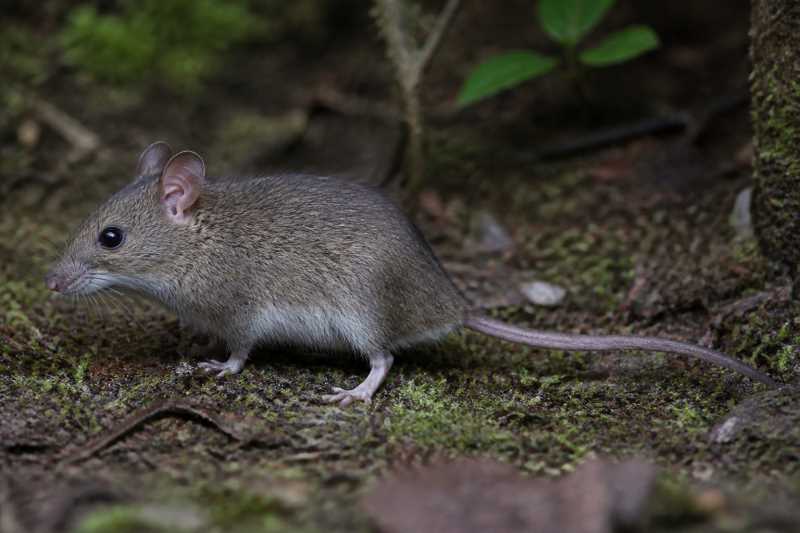
Stanley’s Wood Mouse is a small rodent, with an average body length ranging from 8 to 12 centimeters, excluding the tail. The tail itself is often longer than the body, measuring between 10 to 15 centimeters, and is covered with fine fur that aids in balance and agility.
The coat of Stanley’s Wood Mouse is soft and dense, exhibiting a coloration that typically ranges from light brown to a darker, more reddish-brown hue. This coloration provides excellent camouflage against the forest floor and among fallen leaves. The underbelly is usually a lighter shade, often a creamy white.
Other notable features include large, rounded ears and prominent black eyes, which are indicative of its nocturnal lifestyle. The whiskers are long and sensitive, allowing the mouse to navigate its environment effectively in low light conditions.
Range and Habitat
Stanley’s Wood Mouse is predominantly found in the tropical rainforests of Central Africa, with confirmed populations in countries like the Democratic Republic of the Congo, Uganda, and Rwanda. Its range is largely dictated by the availability of dense forest habitats, which provide the necessary cover and food sources.
These mice are arboreal, spending a significant amount of time in the trees, although they are also known to forage on the forest floor. They prefer areas with thick vegetation and abundant leaf litter, which offer protection from predators and harsh weather conditions.
The microhabitats within these forests are crucial for their survival, as they rely on specific ecological niches to thrive. This includes areas with ample ground cover, fallen logs, and dense canopies that provide both food and protection.
Behavior and Diet
Stanley’s Wood Mouse is primarily nocturnal, with most of its activity occurring during the night. This behavioral pattern helps reduce the risk of predation and allows the mouse to exploit food resources more effectively.
The diet of Hylomyscus stanleyi is omnivorous, consisting of seeds, fruits, insects, and other small invertebrates. Their role as seed dispersers is particularly important in maintaining the health of their forest habitats. By spreading seeds through their foraging activities, they contribute to forest regeneration and biodiversity.
Socially, Stanley’s Wood Mice are relatively solitary, although they may share foraging areas with other individuals. Communication is primarily through vocalizations and scent markings, which help establish territory and find mates.
Identification Tips (Field Recognition Cues)
Identifying Stanley’s Wood Mouse in the field can be challenging due to its elusive nature and the dense habitats it occupies. However, there are several key features to look for:
- Size and Tail Length: Look for a small rodent with a body length of 8-12 cm and a tail longer than its body.
- Coloration: Note the light to reddish-brown coat with a lighter underbelly.
- Ears and Eyes: Large, rounded ears and prominent black eyes are distinguishing features.
- Behavior: Observe nocturnal activity patterns and arboreal movements.
Listening for high-pitched vocalizations at night and watching for movement in the underbrush can also aid in locating these mice.
Conservation Status (with Threats and Protections)
The conservation status of Stanley’s Wood Mouse is currently not well-documented due to a lack of comprehensive studies. However, like many forest-dwelling species, it is likely affected by habitat loss due to deforestation and human encroachment.
The primary threat to Hylomyscus stanleyi is the destruction of its natural habitat, driven by logging, agriculture, and urban development. This habitat fragmentation can lead to population declines and increased vulnerability to predators.
Conservation efforts for this species must focus on habitat preservation and restoration. Protecting large tracts of forest and implementing sustainable land-use practices are essential measures. Additionally, further research is needed to better understand population dynamics and ecological requirements.
Frequently Asked Questions
What are the main predators of Stanley’s Wood Mouse?
Stanley’s Wood Mouse is preyed upon by a variety of forest predators, including snakes, birds of prey, and small carnivorous mammals. Its nocturnal and arboreal habits help reduce the risk of predation.
How does Stanley’s Wood Mouse contribute to its ecosystem?
Hylomyscus stanleyi plays a critical role as a seed disperser, aiding in forest regeneration and maintaining biodiversity. Its foraging activities help spread seeds across the forest floor, promoting plant growth.
Can Stanley’s Wood Mouse adapt to changing environments?
While Stanley’s Wood Mouse is adapted to dense forest habitats, its ability to adapt to rapid environmental changes is limited. Habitat loss and fragmentation pose significant challenges to its survival.
How can researchers study Stanley’s Wood Mouse in the wild?
Researchers can study this species through a combination of field surveys, trapping, and ecological monitoring. Using camera traps and tracking movements can provide valuable data on their behavior and population dynamics.
Are there any conservation programs specifically targeting Stanley’s Wood Mouse?
Currently, there are no conservation programs specifically targeting Stanley’s Wood Mouse. However, broader initiatives aimed at forest conservation and biodiversity protection indirectly benefit this species.
Related posts