Introduction
The Least Groove-toothed Swamp Rat, scientifically known as Pelomys minor, is a fascinating yet lesser-known member of the rodent family. These small creatures play a crucial role in their ecosystem, serving as both prey and seed dispersers. Despite their importance, little is widely known about them, making them a subject of interest for researchers and wildlife enthusiasts alike.
This article aims to shed light on the Least Groove-toothed Swamp Rat by exploring its physical description, range and habitat, behavior and diet, identification tips, and conservation status. We will also answer some frequently asked questions to provide a comprehensive understanding of this intriguing species.
Physical Description
The Least Groove-toothed Swamp Rat is aptly named for its distinct dental structure. The grooves on their teeth are less pronounced compared to other members of the genus Pelomys. Adult individuals typically measure between 12 to 18 centimeters in body length, with an additional tail length of about 10 to 14 centimeters. They weigh between 50 to 100 grams.
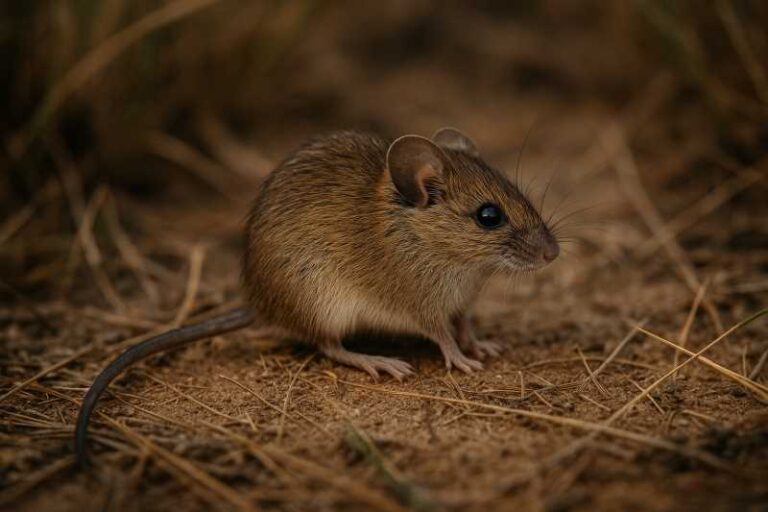
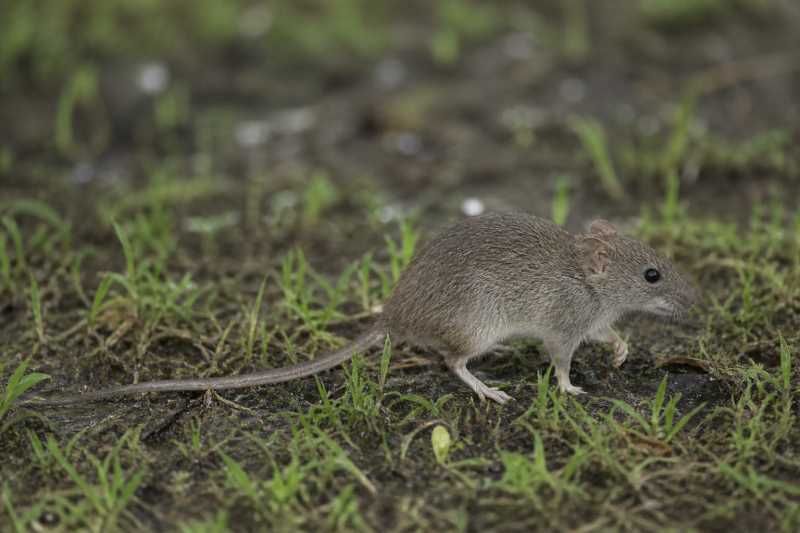
Their fur is dense and soft, usually exhibiting a brownish-grey coloration on the dorsal side, while the ventral side is lighter, often creamy white. This coloration provides effective camouflage in their natural habitat, helping them avoid predators. Their ears are small and rounded, and their eyes, although small, are keen, aiding in nocturnal activities.
Range and Habitat
Pelomys minor can be found in various parts of sub-Saharan Africa. They are predominantly located in the wetlands and swampy regions of countries like Zambia, Angola, and the Democratic Republic of Congo. Their preference for such habitats is due to the abundance of water and vegetation, which not only provides food but also shelter from predators.
These rats are highly adaptable and can survive in both flooded and dry conditions, although they thrive in areas with consistent water sources. The dense vegetation in swamps and riverbanks offers both protection and resources necessary for their survival.
Behavior and Diet
The Least Groove-toothed Swamp Rat is primarily nocturnal, meaning they are most active during the night. This behavior helps them avoid daytime predators. They are solitary creatures, only coming together for mating purposes. Their territorial nature is evident as they mark their areas with scent glands.
Their diet is quite diverse, consisting mainly of seeds, fruits, leaves, and occasionally insects. This omnivorous diet allows them to adapt to the availability of food sources throughout different seasons. They play a significant role in seed dispersal, contributing to the health and regeneration of their ecosystems.
Identification Tips (field recognition cues)
Identifying the Least Groove-toothed Swamp Rat in the field can be challenging due to its elusive nature and the dense habitats it frequents. However, there are several key cues to help with identification:
- Size and Shape: Look for small rodents with a body length of 12 to 18 cm and a tail that adds another 10 to 14 cm.
- Fur Color: Note the brownish-grey fur with a lighter, creamy white underside.
- Habitat: Focus your search near water bodies in swampy or wetland regions.
- Activity: Observe nocturnal movement patterns; these rats are more likely to be seen at night.
- Dental Features: On closer inspection, the less pronounced grooves on their teeth are a distinguishing feature.
Conservation Status (with threats and protections)
Currently, the Least Groove-toothed Swamp Rat is classified as Least Concern on the IUCN Red List. However, this does not mean they are free from threats. Habitat destruction due to agricultural expansion, urbanization, and climate change poses significant risks. Wetland drainage and pollution further exacerbate these threats.
Conservation efforts are crucial to mitigate these threats. Protecting their natural habitats through the establishment of protected areas and promoting sustainable land-use practices are vital. Public awareness and education campaigns can also play a significant role in their conservation.
Frequently Asked Questions
What does the Least Groove-toothed Swamp Rat eat?
The Least Groove-toothed Swamp Rat is an omnivore, primarily feeding on seeds, fruits, leaves, and occasionally insects. Their diet varies depending on the availability of food sources in their habitat.
Where can I find the Least Groove-toothed Swamp Rat?
These rats are commonly found in sub-Saharan Africa’s wetlands and swampy regions, particularly in countries like Zambia, Angola, and the Democratic Republic of Congo.
Are Least Groove-toothed Swamp Rats endangered?
Currently, they are listed as Least Concern by the IUCN. However, they face threats from habitat destruction and require conservation efforts to ensure their long-term survival.
How can I identify a Least Groove-toothed Swamp Rat?
Key identification features include their small size (12-18 cm body length), brownish-grey fur with a lighter underside, and less pronounced grooves on their teeth. They are typically found in swampy areas and are nocturnal.
Why are Least Groove-toothed Swamp Rats important?
They play a crucial role in their ecosystem by aiding in seed dispersal and serving as a food source for predators. Their presence indicates a healthy wetland environment.
Related posts