Introduction
The Black-tailed Thallomys (Thallomys nigricauda) is a captivating rodent species native to the arid and semi-arid regions of southern Africa. Known for its distinct black tail and adaptable nature, this small mammal plays a vital role in its ecosystem. Despite its seemingly inconspicuous presence, the Black-tailed Thallomys offers intriguing insights into the adaptability and survival strategies of rodents in harsh environments. This article delves into the various aspects of this species, including its physical characteristics, habitat, behavior, and conservation status.
Physical Description
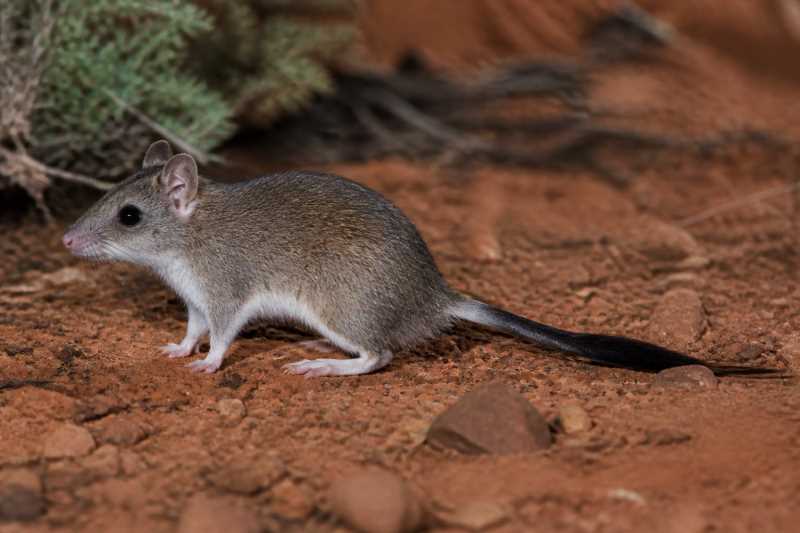
The Black-tailed Thallomys is a medium-sized rodent characterized by its striking black tail, which accounts for its common name. The body length of this species ranges from 100 to 150 mm, with the tail often measuring slightly longer than the body. The fur is generally soft and dense, with a grayish-brown color on the dorsal side, transitioning to a lighter, whitish hue on the ventral side.
The head of the Black-tailed Thallomys is relatively broad, featuring large, rounded ears and prominent, dark eyes that suggest its nocturnal habits. Its limbs are moderately long, with strong, dexterous fingers equipped with sharp claws that facilitate climbing and foraging. The distinctive black tail is not only a visual hallmark but also serves as a balance aid during agile movements through its arboreal habitat.
Range and Habitat
The Black-tailed Thallomys is predominantly found in the southern regions of Africa, including countries such as Botswana, Namibia, South Africa, and Zimbabwe. Its habitat preferences include arid to semi-arid environments, particularly savannas, dry woodlands, and shrublands. These rodents are often associated with areas that have a mix of trees and open ground, where they can exploit both terrestrial and arboreal resources.
One of the remarkable aspects of Thallomys nigricauda is its ability to adapt to varying environmental conditions. This adaptability is evident in their selection of habitats, which often provides both shelter and food resources. They are commonly found in Acacia-dominated woodlands, where they utilize tree hollows and dense foliage for nesting and protection from predators.
Behavior and Diet
The Black-tailed Thallomys is a nocturnal and arboreal species, primarily active during the cooler hours of the night. This behavior helps it avoid the extreme daytime temperatures typical of its habitat. Despite its nocturnal nature, the species may occasionally be observed during dawn or dusk.
The diet of Thallomys nigricauda is primarily herbivorous, consisting of leaves, fruits, seeds, and occasionally small insects. Their feeding habits are influenced by seasonal availability, with a preference for high-nutrient food sources that sustain their energy needs. This dietary flexibility is a crucial factor in their survival, allowing them to thrive in environments where food resources may be scarce or unpredictable.
Socially, Black-tailed Thallomys exhibit a relatively solitary lifestyle, although they may form small family groups. Communication among individuals is facilitated through vocalizations and scent markings, which help establish territories and mating opportunities.
Identification Tips
Identifying the Black-tailed Thallomys in the field can be achieved through several key features:
- Tail Coloration: As the name suggests, the black tail is a primary distinguishing feature.
- Body Size and Color: Look for a medium-sized rodent with a grayish-brown upper body and lighter underside.
- Habitat Location: They are typically found in arid and semi-arid regions, especially in Acacia woodlands.
- Activity Patterns: Nocturnal activity and arboreal movements are indicative of this species.
Conservation Status
Currently, the Black-tailed Thallomys is classified as "Least Concern" by the International Union for Conservation of Nature (IUCN). This status is due to its widespread distribution and presumed large population. However, this does not imply that the species is free from threats.
Habitat destruction is the primary concern for Thallomys nigricauda, driven by agricultural expansion, logging, and human settlement. Climate change poses an additional threat by altering the ecosystems upon which they depend. Despite these challenges, the species benefits from occurring in several protected areas across its range, which helps mitigate some of the anthropogenic pressures.
Continued conservation efforts are essential to monitor population trends and ensure the preservation of their natural habitats. Collaborative actions involving local communities, conservation organizations, and governments are crucial to maintaining the ecological balance and biodiversity in these regions.
Frequently Asked Questions
What is the habitat of the Black-tailed Thallomys?
The Black-tailed Thallomys inhabits arid and semi-arid regions in Southern Africa, favoring Acacia-dominated woodlands and mixed shrublands.
How can you identify a Black-tailed Thallomys?
Key identification features include its black tail, medium body size, grayish-brown fur, and nocturnal, arboreal behavior.
What does the Black-tailed Thallomys eat?
Their diet consists mainly of leaves, fruits, seeds, and occasionally insects, adapting to seasonal food availability.
Is the Black-tailed Thallomys endangered?
No, it is currently classified as "Least Concern," but habitat destruction remains a significant threat.
How does climate change affect the Black-tailed Thallomys?
Climate change can alter the ecosystems they inhabit, affecting food availability and habitat conditions, posing potential threats to their survival.
Related posts