Cape Gerbil (Gerbilliscus afer): A Comprehensive Guide
Introduction
The Cape Gerbil, known scientifically as Gerbilliscus afer, is a fascinating rodent species native to Africa. It is a member of the Muridae family, which includes other well-known rodents such as mice and rats. These creatures are known for their adaptability to various environments, making them a subject of intrigue for both researchers and wildlife enthusiasts alike. This article delves into the physical characteristics, habitat, behavior, and conservation status of the Cape Gerbil, offering a comprehensive overview of this remarkable mammal species.
Physical Description
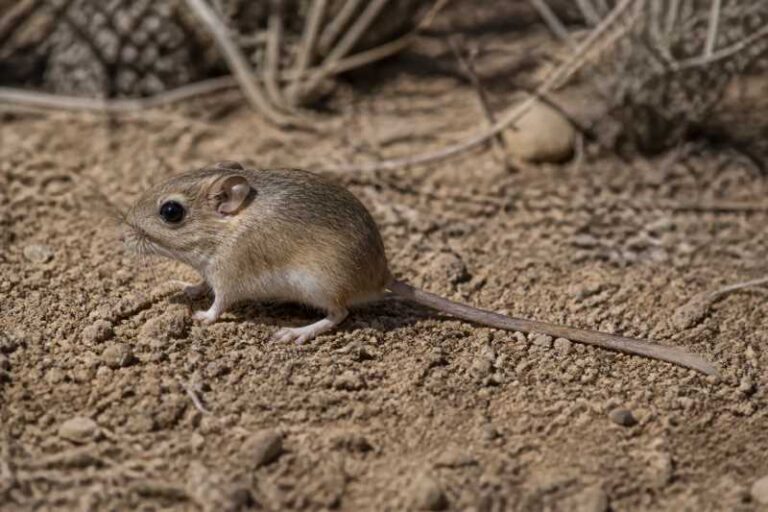
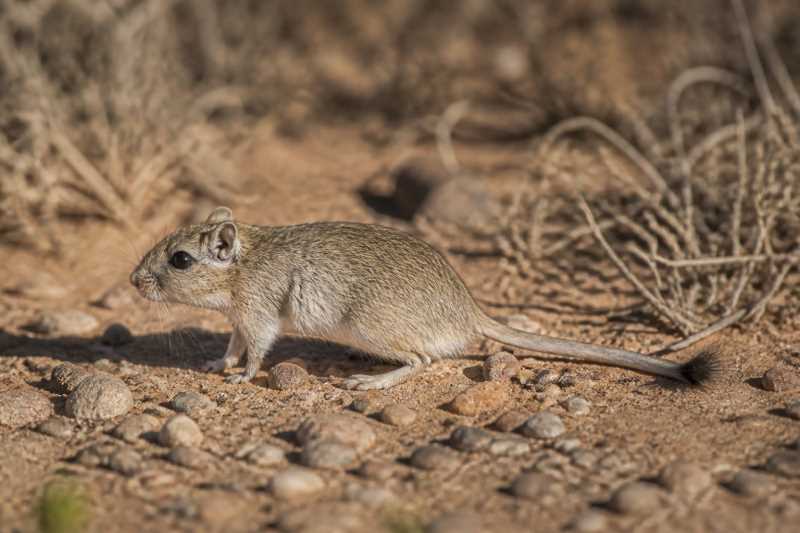
The Cape Gerbil is a relatively small rodent, with a body length ranging from 14 to 16 centimeters, excluding the tail, which can be an additional 14 to 20 centimeters long. They typically weigh between 80 to 140 grams. Their fur is soft and dense, usually displaying a sandy brown coloration on their dorsal side, which helps them blend into their arid surroundings. The ventral side is lighter, often white or pale grey. They possess large eyes and ears, adaptations that are particularly beneficial for their nocturnal lifestyle. Their hind legs are more robust compared to their forelimbs, enabling them to make swift and agile movements, which are essential for escaping predators.
Range and Habitat
Cape Gerbils are predominantly found in Southern Africa. Their range extends from South Africa to Namibia, Botswana, and parts of Angola and Zambia. These gerbils are highly adaptable and inhabit a variety of environments, including savannas, grasslands, and semi-arid regions. They are particularly associated with sandy soils, which facilitate their burrowing behavior. The construction of burrows is crucial for their survival as it provides shelter from extreme temperatures and predators.
Behavior and Diet
Cape Gerbils are primarily nocturnal, being most active during the night. This nocturnal tendency is an evolutionary adaptation to avoid the heat of the day and reduce the risk of predation. They are social creatures, often found living in groups that share burrows. These burrows are complex, with multiple entrances and chambers for nesting and food storage.
Their diet is omnivorous, consisting of seeds, grains, roots, and occasionally insects. The availability of food varies with the seasons, and Cape Gerbils have been observed to hoard food in their burrows to ensure a stable food supply during scarce periods. Their strong incisors are well-suited for gnawing through tough plant material, a trait that underscores their adaptability.
Identification Tips
To identify a Cape Gerbil in the field, observers should look for the following cues:
- Size and Coloration: Look for a small rodent with a sandy brown back and a lighter belly.
- Tail: Notice the tail length, which is similar to the body length and has a tuft of hair at the end.
- Movement: Watch for their distinctive hopping movement, which is facilitated by their strong hind legs.
- Activity Time: They are most active at night, so sightings are more likely during evening or early morning hours.
- Burrows: Look for burrows in sandy or semi-arid areas, which may indicate the presence of Cape Gerbils.
Conservation Status
The International Union for Conservation of Nature (IUCN) currently lists the Cape Gerbil as a species of "Least Concern." This designation is due to their wide distribution and presumably large population. However, they face threats from habitat destruction, primarily due to agricultural expansion and urban development. Additionally, climate change poses a potential threat by altering their natural habitats.
Conservation efforts for Cape Gerbils include habitat protection and monitoring population trends to ensure they remain stable. Public awareness and education about the species and their ecological role are also crucial in mitigating potential threats.
Frequently Asked Questions
- What do Cape Gerbils eat?
Cape Gerbils have an omnivorous diet, primarily consuming seeds, grains, roots, and occasionally insects. Their diet can change seasonally based on food availability.
- Where can Cape Gerbils be found?
Cape Gerbils are native to Southern Africa, found in countries like South Africa, Namibia, Botswana, Angola, and Zambia. They thrive in savannas, grasslands, and semi-arid regions.
- How do Cape Gerbils protect themselves from predators?
Cape Gerbils use their burrows as a primary means of protection from predators. Their nocturnal nature also helps reduce the risk of predation by avoiding daytime predators.
- Are Cape Gerbils endangered?
Currently, Cape Gerbils are not endangered and are classified as "Least Concern" by the IUCN. However, ongoing habitat loss could pose future risks to their populations.
- How can I identify a Cape Gerbil?
Look for a small rodent with sandy brown fur, a long tail with a tufted end, and observe their nocturnal activity and distinctive hopping movements.
Related posts