Introduction
Seurat’s Spiny Mouse, scientifically known as Acomys seurati, is a fascinating member of the rodent family distinguished by its unique spiny fur. This small mammal has garnered attention not only for its distinctive appearance but also for its adaptability to harsh environments. Native to certain regions of Africa, Seurat’s Spiny Mouse is an example of evolutionary ingenuity, showcasing remarkable survival strategies. In this comprehensive article, we will explore various aspects of this intriguing species, including its physical characteristics, habitat, behavior, and the conservation challenges it faces.
Physical Description
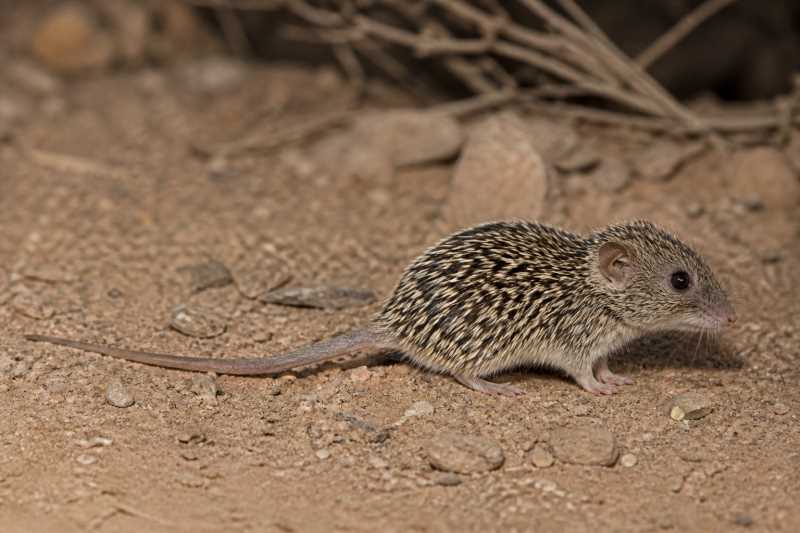
Seurat’s Spiny Mouse is a small rodent with a body length ranging from 7 to 9 centimeters, excluding the tail, which adds another 6 to 8 centimeters. One of the most striking features of this species is its coat, which consists of soft fur interspersed with spiny, bristle-like hairs. These spines offer protection against predators and contribute to the mouse’s distinctive appearance.
The coloration of Seurat’s Spiny Mouse varies between shades of sandy brown and gray, allowing it to blend seamlessly with its arid surroundings. The underbelly is typically lighter, ranging from white to pale gray. The ears are relatively large and rounded, aiding in heat dissipation and enhancing its auditory capabilities.
Range and Habitat
Seurat’s Spiny Mouse is predominantly found in the arid and semi-arid regions of North Africa, with its range extending across countries like Morocco, Algeria, and Tunisia. This species is specially adapted to thrive in harsh desert environments where water and food resources are scarce.
These mice favor rocky habitats, dry riverbeds, and desert margins where they can easily find shelter among crevices and under rocks. Such environments not only provide protection from predators but also offer a relatively stable microclimate, crucial for their survival in extreme temperatures.
Behavior and Diet
Seurat’s Spiny Mouse exhibits nocturnal behavior, primarily active during the cooler nights to avoid the daytime heat. This nocturnal lifestyle helps in conserving water and energy. Being omnivorous, their diet is diverse and opportunistic. They feed on a variety of seeds, insects, and plant material, which they forage during the night.
Socially, these mice are known for their complex communication, utilizing vocalizations and scent markings to convey messages to one another. They exhibit a high degree of social interaction within their groups, often grooming each other to reinforce social bonds.
Identification Tips (Field Recognition Cues)
When attempting to identify Seurat’s Spiny Mouse in the field, look for the following distinguishing features:
- The presence of spiny hairs interspersed with softer fur on the back.
- Sandy brown to gray dorsal coloration with a lighter underbelly.
- Large, rounded ears and a long tail, both of which aid in thermoregulation.
- Small size, generally less than 20 centimeters in total length (including the tail).
These cues can help differentiate Seurat’s Spiny Mouse from other sympatric rodent species.
Conservation Status (With Threats and Protections)
Currently, Seurat’s Spiny Mouse is listed as Least Concern by the IUCN Red List. Despite this relatively secure status, the species faces several threats, primarily due to habitat destruction and fragmentation. Urbanization, agricultural expansion, and climate change pose significant challenges to their natural habitats.
Conservation efforts are focused on habitat preservation and monitoring population trends. Protected areas and national reserves play a crucial role in safeguarding the habitats of Seurat’s Spiny Mouse. Continued research and conservation initiatives are essential to ensure this species does not move towards a more threatened category.
Frequently Asked Questions
1. What adaptations help Seurat’s Spiny Mouse survive in desert environments?
Seurat’s Spiny Mouse is well-adapted to desert life through its nocturnal behavior, which helps conserve water and avoid heat. Its spiny fur offers protection, and its omnivorous diet allows flexibility in food choices.
2. How does Seurat’s Spiny Mouse communicate with others in its species?
These mice communicate through a combination of vocalizations and scent markings. Social grooming is also a vital part of their interaction, helping to maintain social bonds within groups.
3. What are the primary threats to Seurat’s Spiny Mouse?
The main threats include habitat destruction and fragmentation due to urbanization and agricultural practices, as well as climate change impacts on their arid habitat.
4. Can Seurat’s Spiny Mouse be kept as a pet?
While some rodents are kept as pets, Seurat’s Spiny Mouse is not commonly domesticated. Their specific environmental needs and behaviors make them challenging to care for outside their natural habitat.
5. Are there any ongoing conservation efforts for Seurat’s Spiny Mouse?
Yes, conservation efforts focus on habitat protection and monitoring populations to prevent future decline. Protected areas are crucial to their conservation.
Related posts