Introduction
The Mount Chercher Brush-furred Rat, scientifically known as Lophuromys chercherensis, is a remarkable rodent species indigenous to the highlands of Ethiopia. This species is part of the family Muridae, which encompasses a vast array of rodents varying vastly in size, habitat, and behavior. Although less renowned than some of its rodent relatives, the Mount Chercher Brush-furred Rat plays a significant role in its ecosystem. This article delves into the various aspects of the species, from its physical attributes to its conservation status, providing a comprehensive overview for researchers, wildlife enthusiasts, and conservationists alike.
Physical Description
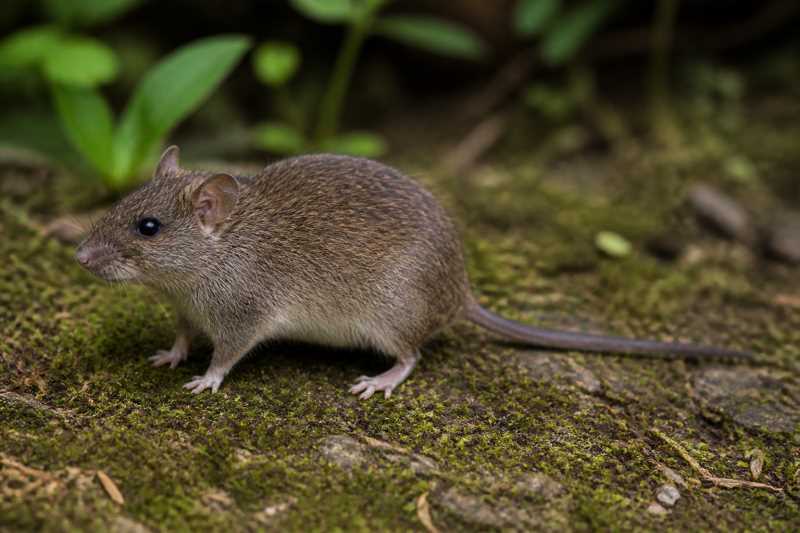
The Mount Chercher Brush-furred Rat is characterized by its distinctive fur and robust body, making it easily distinguishable from other rodents in its region. It typically exhibits a dense, brush-like coat, which serves as protection against the harsher weather conditions in its high-altitude habitat. The fur is typically a mix of brown and grey hues, providing excellent camouflage against the rocky and earthy backdrop of its environment.
Adults of the species tend to measure between 12 to 15 centimeters in body length, excluding the tail, which adds another 8 to 10 centimeters. The tail itself is sparsely furred and is often a darker shade than the body. The rat’s ears are relatively small, rounded, and covered in fine hair, while the eyes are large and adapted for low-light conditions, reflecting its crepuscular nature.
Range and Habitat
The Mount Chercher Brush-furred Rat is endemic to the Ethiopian highlands, with its range primarily centered around Mount Chercher, from which it derives its name. This region is characterized by its rugged terrain, high altitudes, and a cool climate, which influences the flora and fauna that reside there.
The habitat of this species is typically montane forests and shrublands. These areas provide ample cover and foraging opportunities, with a diverse array of vegetation that supports the rat’s diet. The presence of rocky outcrops and dense underbrush offers protection from predators and harsh weather, making it an ideal environment for the species to thrive.
Behavior and Diet
The behavior of the Mount Chercher Brush-furred Rat is adapted to its unique environment. Primarily nocturnal, this species spends the night hours foraging for food and the daylight hours hidden away in burrows or under dense vegetation to avoid predators.
Dietarily, the species is omnivorous, with a preference for seeds, fruits, and insects. This varied diet allows the rat to capitalize on the seasonal abundance of different food sources. Their foraging behavior also plays a crucial role in seed dispersion, aiding in plant regeneration and the maintenance of the local ecosystem.
Identification Tips
Field recognition of the Mount Chercher Brush-furred Rat can be challenging due to its elusive nature and the dense habitats it occupies. However, certain cues can aid in identification:
- Fur Texture: Look for the characteristic brush-like texture of the fur, a key distinguishing feature of the species.
- Size and Proportions: Note the size ratio between the body and tail, with the tail being slightly shorter than the body length.
- Habitat: Focus on montane forested areas and shrublands within the Ethiopian highlands, particularly around Mount Chercher.
- Activity Patterns: The rat is more likely to be observed during crepuscular hours when it is actively foraging.
Conservation Status
The Mount Chercher Brush-furred Rat is currently classified as Near Threatened by the International Union for Conservation of Nature (IUCN). This status reflects the ongoing threats to its habitat, primarily deforestation and agricultural expansion, which have led to habitat fragmentation and degradation.
Conservation efforts are focused on habitat preservation and sustainable land management practices. Protected areas have been established to safeguard key habitats, and there is ongoing research to better understand the species’ ecological role and requirements.
Frequently Asked Questions
1. What is the primary diet of the Mount Chercher Brush-furred Rat?
The Mount Chercher Brush-furred Rat is omnivorous, feeding on seeds, fruits, and insects. Its diet varies with the seasonal availability of these resources.
2. Where can the Mount Chercher Brush-furred Rat be found?
This species is endemic to the Ethiopian highlands, with its primary range around Mount Chercher, favoring montane forests and shrubland habitats.
3. How does the Mount Chercher Brush-furred Rat contribute to its ecosystem?
The species plays a significant role in seed dispersion, aiding in plant regeneration and maintaining the ecological balance within its habitat.
4. What are the major threats to the Mount Chercher Brush-furred Rat?
The main threats include habitat loss due to deforestation and agricultural expansion, leading to habitat fragmentation and degradation.
5. What conservation measures are in place for this species?
Conservation measures include the establishment of protected areas, sustainable land management practices, and ongoing ecological research to inform future conservation strategies.
Related posts